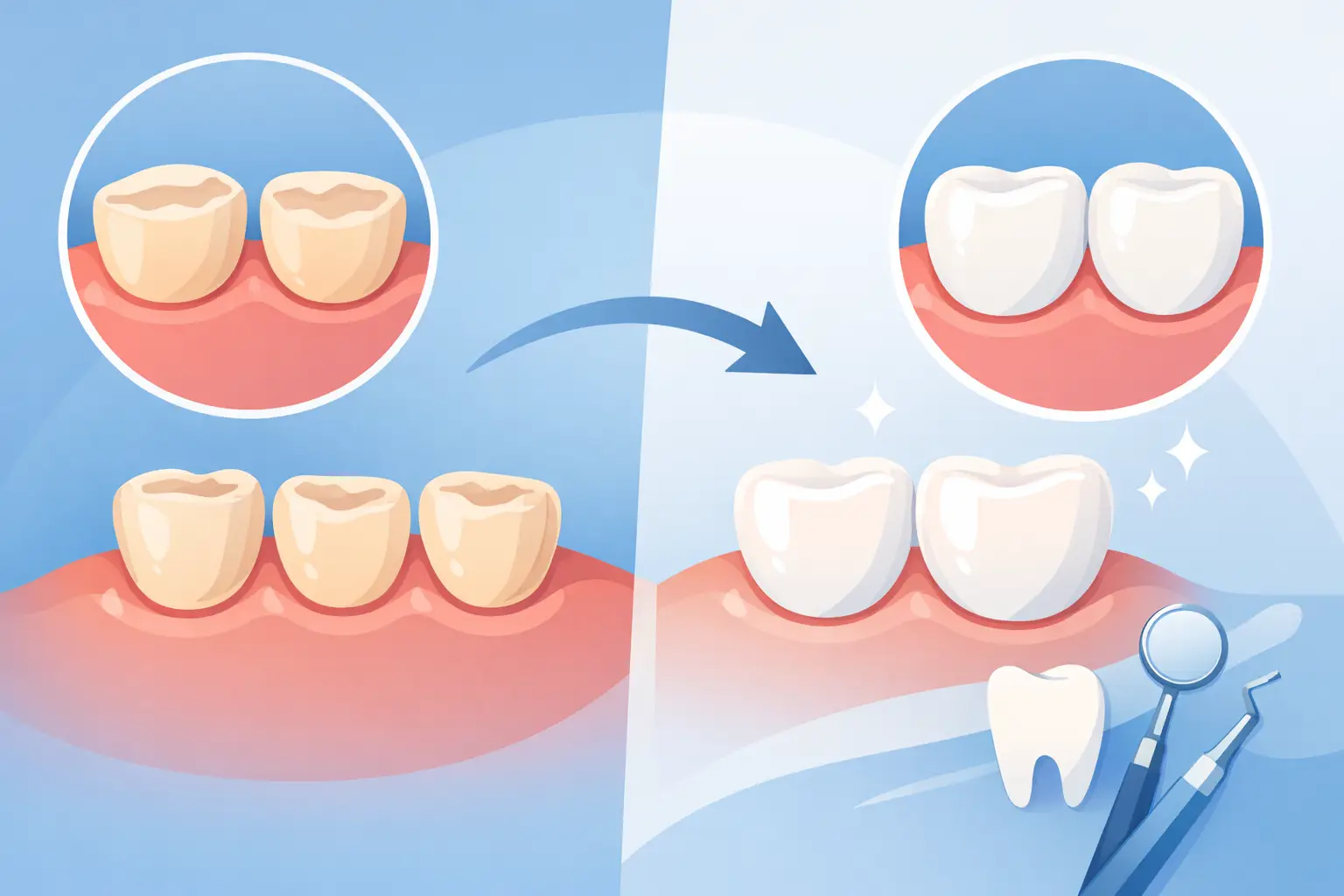
You may first notice worn teeth when coffee starts stinging, your front teeth look shorter in photos, or your jaw feels tired by the end of the day. If you are trying to restore worn down teeth, the right plan is rarely just about appearance. It is about protecting what is left, improving the way your bite works, and helping you chew and smile comfortably again.
Tooth wear is common, but it does not always happen for the same reason. Some people grind or clench at night. Others have acid wear from reflux, frequent soda, sports drinks, or citrus. Sometimes the issue is a misaligned bite that puts too much force on a few teeth. In many cases, more than one factor is involved, which is why a careful exam matters before any treatment begins.
Why teeth wear down in the first place
Teeth are strong, but they are not indestructible. Over time, repeated pressure, friction, and acid exposure can remove enamel. Once enamel thins out, the softer layer underneath can wear faster, and that is when changes often become more obvious.
Grinding and clenching are major causes. Many people do both without realizing it, especially during sleep or stressful parts of the day. The result can be flattened edges, chips, sensitivity, or even small fractures that weaken the tooth over time.
Acid is another common culprit. Even healthy habits can play a role if the timing and frequency are off. Sipping acidic drinks all day, brushing immediately after acid exposure, or dealing with untreated reflux can gradually soften enamel and increase wear. Bite problems can add to the damage by making certain teeth absorb more force than they were designed to handle.
Signs you may need to restore worn down teeth
Some signs are cosmetic, and some are functional. Teeth may look shorter, flatter, or more translucent at the edges. You may also notice rough spots, small chips, yellowing as dentin shows through, or changes in the shape of your smile.
The functional symptoms are often what bring people in. Sensitive teeth, soreness when chewing, jaw tension, headaches, and a feeling that your bite is off can all point to tooth wear. In more advanced cases, worn teeth can affect speech, chewing efficiency, and comfort throughout the day.
Not every worn tooth needs major treatment. Mild wear may only require monitoring, fluoride support, and a night guard. But if the tooth structure is already compromised, waiting too long can make treatment more extensive later.
How dentists restore worn down teeth
The best way to restore worn down teeth depends on how much structure has been lost, which teeth are affected, and what caused the wear. A good treatment plan should repair the damage and reduce the chance of it happening again.
Dental bonding for small to moderate wear
Bonding uses tooth-colored composite resin to rebuild chipped corners, smooth edges, and restore areas of mild to moderate wear. It is a conservative option because it often requires little to no removal of healthy tooth structure.
Bonding can work very well for front teeth and visible areas where appearance matters. It is usually more affordable than porcelain, and it can often be completed quickly. The trade-off is durability. Composite is strong, but it is generally not as stain-resistant or long-lasting as porcelain, especially in patients who grind heavily.
Veneers for visible front teeth
When tooth wear affects the front teeth and smile appearance is a major concern, veneers may be a good option. Veneers are thin porcelain coverings placed over the front surface of the teeth to improve shape, length, and color.
They can create a very natural result, especially when the goal is to rebuild shorter or uneven front teeth. Still, veneers are not the right answer for every case. If the bite is unstable or the wear pattern is severe, the teeth may need more complete coverage or bite correction first. Veneers are best when aesthetics and moderate front-tooth restoration go hand in hand.
Crowns when strength is the priority
Crowns cover the entire visible part of a tooth and are often recommended when wear is significant, the tooth is weakened, or there are cracks and large restorations already present. For back teeth in particular, crowns can restore shape and strength while allowing you to chew more comfortably.
This is often a practical choice when the tooth has lost too much structure for bonding or an onlay to hold up well long term. Crowns are more comprehensive, but they also involve more preparation than bonding. That is why the decision should be based on the actual condition of the tooth, not just the desire for a quick cosmetic fix.
Inlays and onlays for targeted repair
Some worn teeth do not need full crowns but still need more support than direct bonding can provide. Inlays and onlays are custom restorations that repair part of the tooth while preserving more natural structure.
They can be an excellent middle ground when wear is focused on the chewing surface and the remaining tooth is still healthy enough to support a partial restoration. This approach balances strength with conservation, which is often ideal in modern restorative dentistry.
Full mouth rehabilitation for advanced wear
If many teeth are worn down, treatment may need to address the entire bite rather than one tooth at a time. Full mouth rehabilitation is a carefully planned process that restores function, comfort, and appearance across multiple teeth.
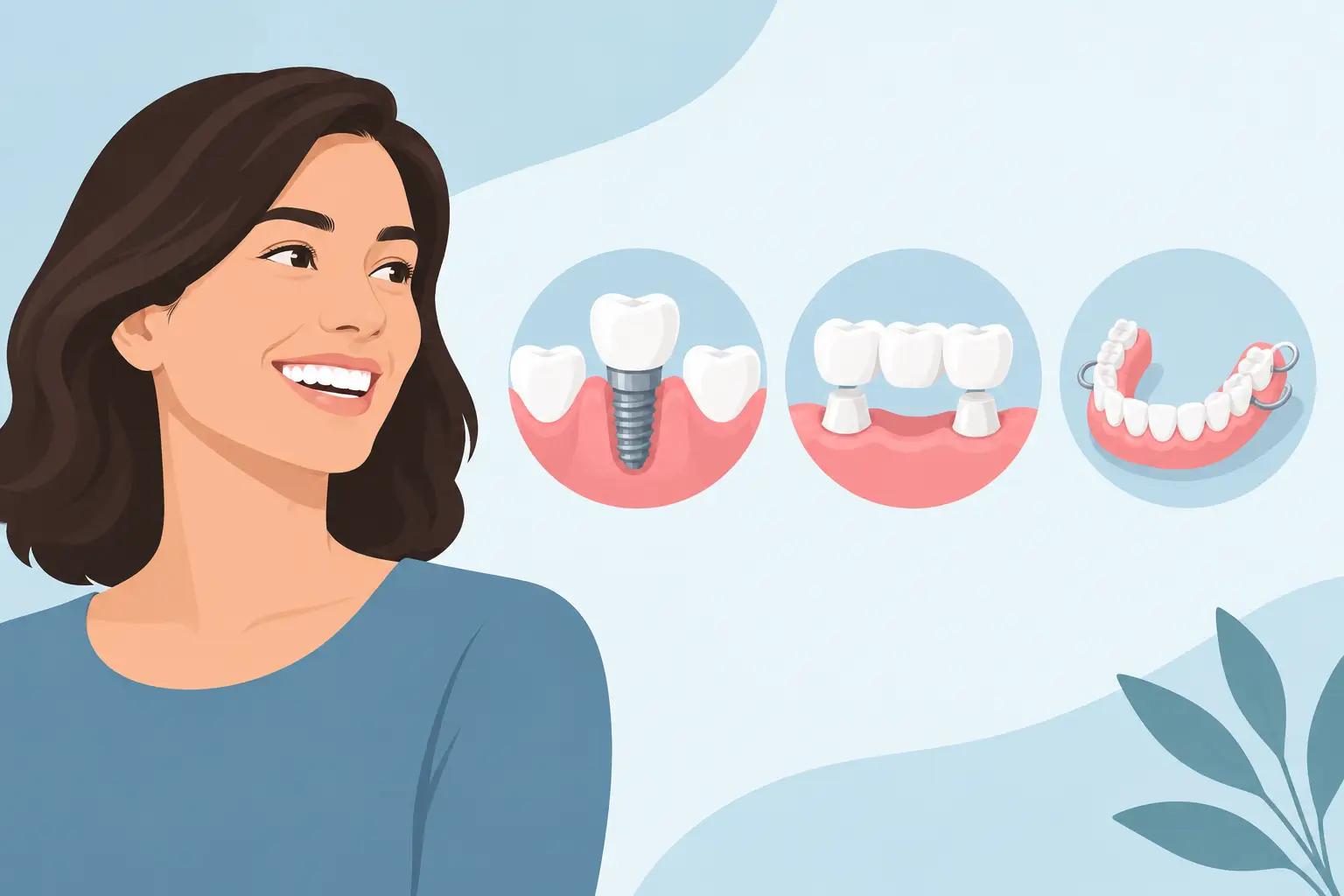
This is usually recommended when wear has changed the bite, reduced tooth height, or caused widespread breakdown. It may involve a combination of crowns, veneers, bonding, implants, or other treatments depending on the condition of the mouth. The goal is not simply to make teeth look longer. It is to rebuild a healthy, stable bite that feels natural and lasts.
Treating the cause matters as much as treating the damage
Restoring the teeth is only part of the job. If the grinding, acid exposure, or bite imbalance continues, even beautiful dental work can wear down too soon.
Night guards are often recommended for patients who clench or grind in their sleep. A custom guard helps protect both natural teeth and restorations from repeated force. If acid erosion is part of the picture, dietary changes, hydration, saliva support, and medical evaluation for reflux may be part of the plan. If the bite is uneven, reshaping, orthodontic treatment, or restorative adjustment may be needed to distribute pressure more evenly.
This is where personalized care really matters. Two patients can have similar-looking wear but need very different treatment plans because the reasons behind the wear are different.
What to expect during the evaluation
A proper exam for worn teeth should look beyond the surface. Your dentist will evaluate where the wear is happening, how your teeth come together, whether the jaw joints and muscles show signs of strain, and how much healthy structure remains. Photos, digital imaging, and models may help with planning in more involved cases.
You should also expect a conversation about your goals. Some patients mainly want relief from sensitivity and protection from further damage. Others also want a more youthful smile or better symmetry. Both goals are valid, and the treatment plan should reflect your priorities, timeline, and budget.
At a comprehensive practice like Finesse Family Dental, this can often be handled in one place, which makes the process easier for busy families and working adults who do not want to coordinate care across multiple offices.
When to act and when monitoring is enough
Not all tooth wear is an emergency, but it should not be ignored. Early treatment is usually simpler and more conservative. Small chips can become fractures. Mild wear can turn into major bite changes. Sensitivity can progress as more enamel is lost.
At the same time, aggressive treatment is not always necessary right away. If the wear is minor and stable, your dentist may recommend monitoring, preventive care, and a protective appliance rather than jumping into restorations. Good dentistry is not about doing the most treatment. It is about doing the right treatment at the right time.
If your teeth look shorter than they used to, feel sensitive, or seem to be wearing down faster than normal, it is worth getting checked. Restoring worn teeth can improve more than your smile. It can help you eat more comfortably, reduce strain on your jaw, and protect your long-term oral health. The earlier you address it, the more options you usually have.