A missing tooth can change more than a photograph. You may start chewing on one side, avoid certain foods, speak less freely, or feel self-conscious when you smile. When patients ask about the best ways to replace missing teeth, the right answer is rarely one-size-fits-all. It depends on where the tooth is missing, the health of your gums and bone, your budget, your timeline, and what will feel most comfortable in daily life.
Leaving a gap untreated can allow nearby teeth to shift over time. It may also affect your bite, make cleaning more difficult, and place extra stress on the teeth you rely on for chewing. A thoughtful evaluation helps protect both the appearance of your smile and the long-term health of your mouth.
Best Ways to Replace Missing Teeth
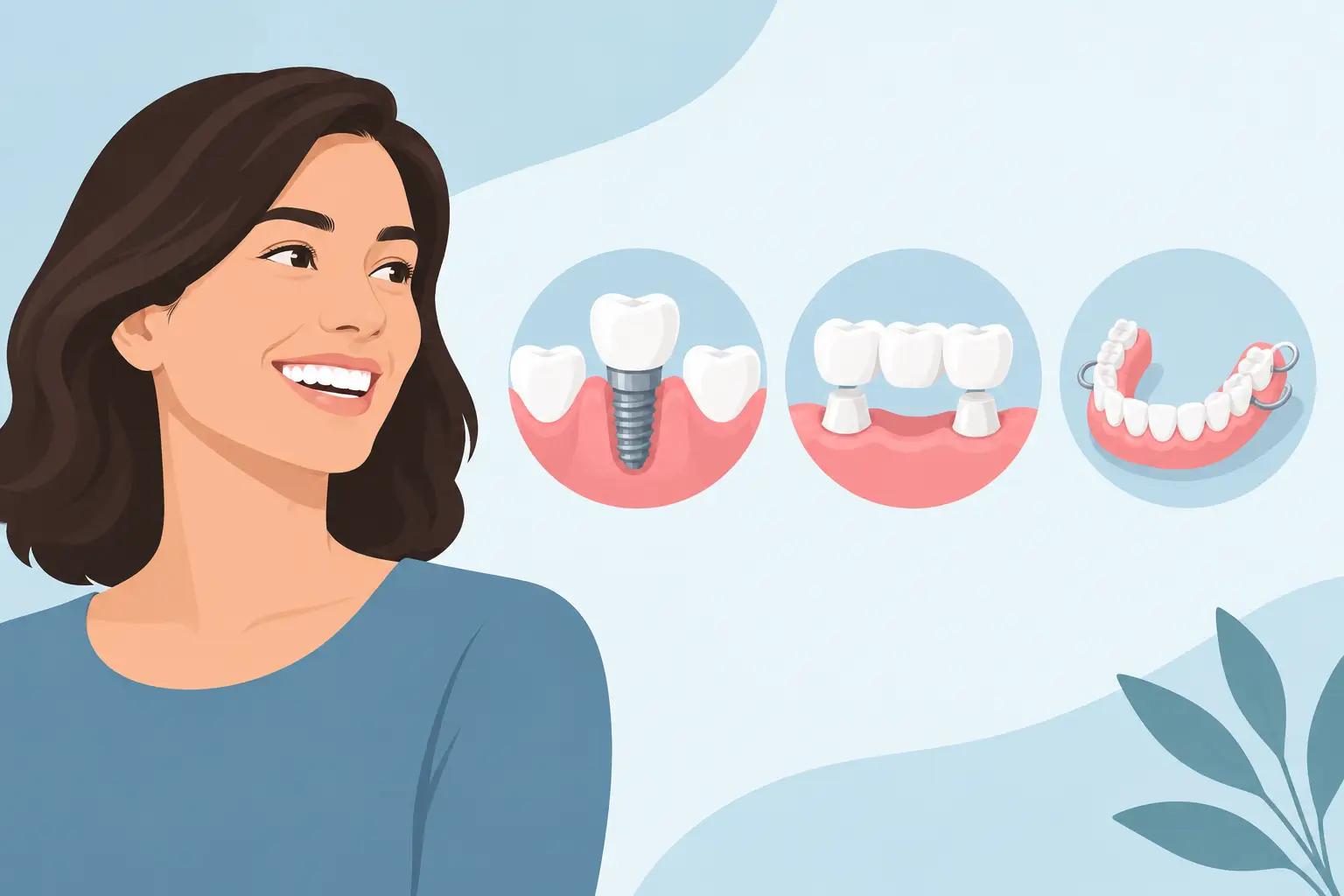
Modern dentistry offers several dependable solutions, including dental implants, fixed bridges, removable partial dentures, and full dentures. Each option has a different balance of durability, cost, treatment time, and maintenance. A dentist can help you compare them based on your individual needs rather than simply choosing the most advertised treatment.
Dental implants for a secure, long-term replacement
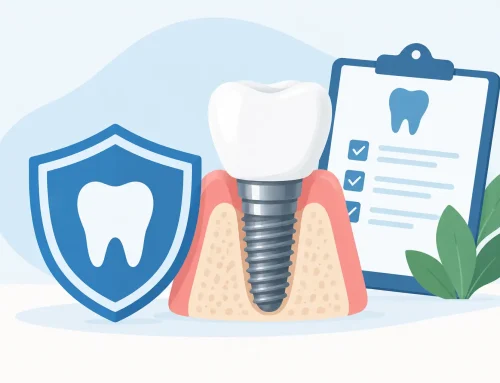
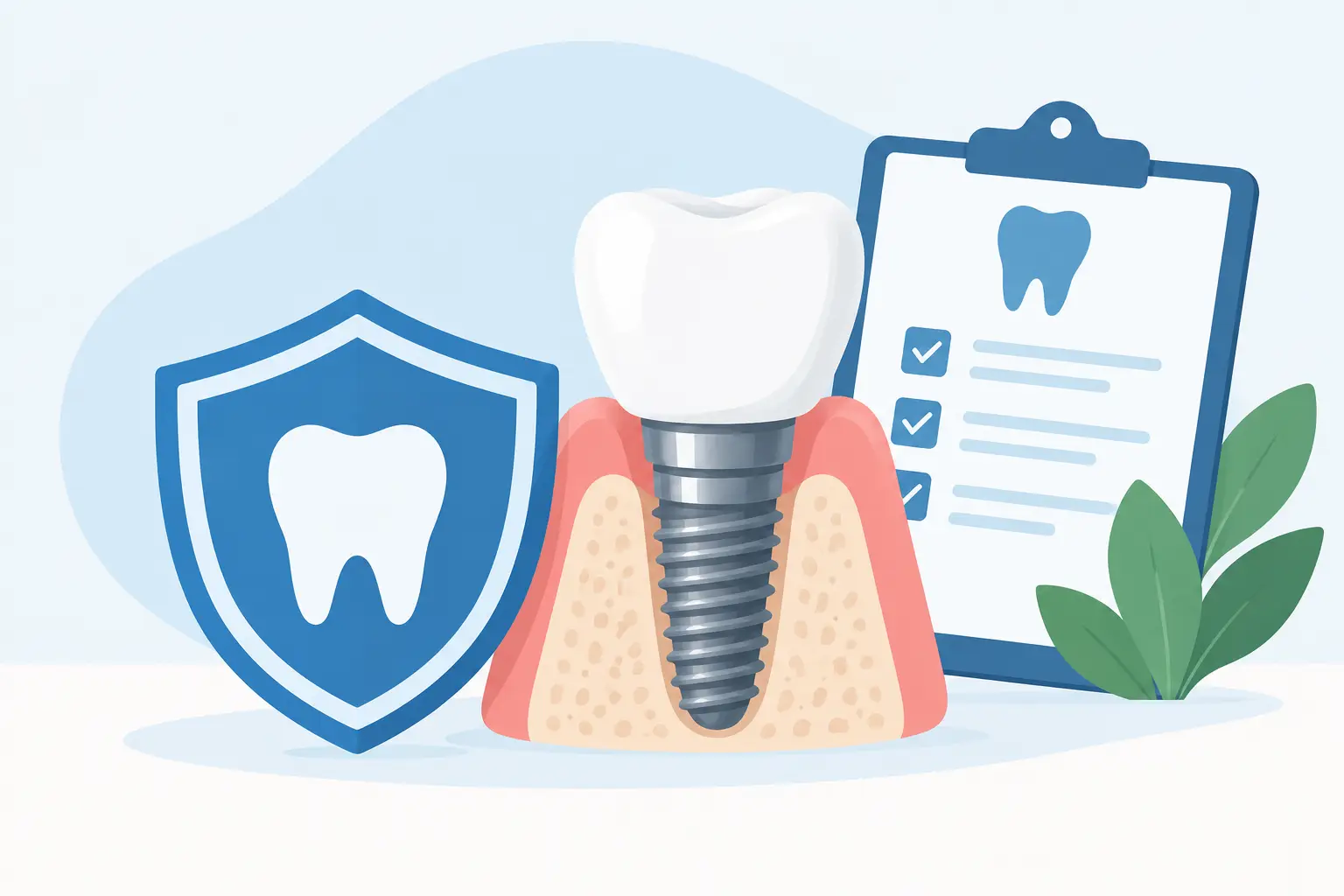
A dental implant replaces the root of a missing tooth with a small post placed in the jawbone. After it heals and integrates with the bone, a custom crown is attached to create a replacement tooth that looks, feels, and functions much like a natural one.
For many healthy adults, an implant is an excellent choice for replacing one tooth because it does not require altering the neighboring teeth. It also stimulates the jawbone, which can help reduce bone loss in the area of the missing tooth. With consistent home care and professional cleanings, implants can be a lasting solution.
The trade-off is time. Implant treatment often involves several months of healing, although a temporary tooth may be possible in some cases. Patients also need enough healthy bone and gums to support the implant. If bone loss or gum disease is present, treatment may need to address those concerns first. While implants usually cost more upfront than other options, many patients appreciate their stability, natural appearance, and ability to chew comfortably.
Dental bridges for a fixed solution without surgery
A dental bridge fills a gap by supporting a replacement tooth with crowns placed on the teeth beside it. The bridge is fixed in place, so it does not come out for cleaning. It can be an effective choice for a patient who wants a stable replacement but is not a candidate for an implant or prefers to avoid surgery.
A bridge is often completed more quickly than an implant. It can also be particularly practical when the teeth next to the gap already need crowns because of large fillings, cracks, or wear. The restoration can improve chewing, speech, and the appearance of your smile while keeping adjacent teeth from drifting into the open space.
There are considerations to discuss. Traditional bridges require reshaping the supporting teeth to make room for crowns, even if those teeth are otherwise healthy. Cleaning underneath a bridge takes a little extra effort, usually with special floss or an interdental cleaning tool. With proper care, a well-made bridge can provide many years of reliable service.
Partial dentures for multiple missing teeth
A removable partial denture replaces one or several missing teeth when natural teeth remain. It is designed to fit around your existing teeth and can be removed for cleaning at night. Today’s partial dentures can be made with more natural-looking teeth and materials than many people expect.
This option can be especially helpful when several teeth are missing in different areas of the mouth and a fixed bridge would not be practical. It is generally more affordable than placing multiple implants, and it can restore enough chewing support to make meals easier and more enjoyable.
Because a partial denture rests on the gums and is removable, it may take time to get used to wearing it. Some patients notice slight movement at first, and periodic adjustments may be needed as the mouth changes. A properly fitted partial should feel secure and should never cause ongoing sore spots. Regular dental visits help ensure it continues to fit well and that the remaining teeth stay healthy.
Full dentures when all teeth are missing
Full dentures replace an entire upper arch, lower arch, or both. They can restore the shape of the face, support clearer speech, and make it possible to enjoy a wider range of foods. For patients who have lost all their teeth or need remaining teeth removed because they cannot be restored, dentures offer a practical path back to a complete smile.
Conventional dentures are removable and rest on the gums. They are custom-made to complement your facial features and desired tooth shape and color. A period of adjustment is normal, particularly with lower dentures, which can feel less secure because the tongue and jaw movement affect their fit.
Implant-supported dentures may offer more stability. A small number of implants can help anchor a denture so it snaps into place or stays fixed, depending on the treatment plan. This can improve chewing comfort and reduce the worry that a denture might shift while speaking or laughing. Not every patient needs or wants implant support, but it is worth discussing if denture stability is a major concern.
How to Choose the Right Tooth Replacement
The best treatment starts with a full picture of your oral health. Your dentist will examine the gap, evaluate your bite, check your gums, and take appropriate digital images to assess bone levels and the surrounding teeth. This is important because a replacement tooth must work with the rest of your smile, not simply fill an empty space.
Your goals matter, too. If you are replacing a visible front tooth, appearance and gum contours may be a priority. If a back tooth is missing, chewing strength and bite balance may guide the recommendation. A person missing one tooth may benefit from an implant or bridge, while someone with several missing teeth may need a combination of solutions.
It also helps to be open about practical concerns. Ask how many appointments the treatment requires, how long healing may take, what daily cleaning looks like, and whether your dental insurance offers coverage. Many PPO plans contribute toward restorative treatment, although benefits vary by plan. A clear financial conversation can help you make a confident decision without surprises.
Why Replacing Missing Teeth Sooner Can Help
There is not always an emergency deadline, but postponing treatment can make restoration more complicated. Teeth naturally seek contact with neighboring and opposing teeth. When one is lost, nearby teeth can tip toward the space, and the tooth above or below it may begin to move. These changes can affect your bite and create areas that are harder to keep clean.
The jawbone in the area of a missing tooth can also gradually shrink because it no longer receives stimulation from chewing. This does not mean an implant is impossible later, but additional treatment such as bone grafting may be needed. Acting early can preserve more options.
That said, the best timing is the timing that supports your health and comfort. If you are managing gum disease, recovering from an extraction, or dealing with other health concerns, your dentist may recommend a staged plan. Temporary solutions can protect your smile while you prepare for a more permanent restoration.
A Comfortable Plan for Your Smile
Replacing missing teeth should not feel intimidating or rushed. At Finesse Family Dental, the conversation begins with listening to what you want to change and what has made dental care difficult in the past. Whether you need one natural-looking replacement tooth, a bridge, a partial denture, or a full-mouth plan, modern treatment can be tailored to your health, lifestyle, and comfort.
You do not have to settle for hiding a gap or avoiding the foods you enjoy. A personal consultation can give you clear options, realistic expectations, and a path toward a smile that feels like your own again.