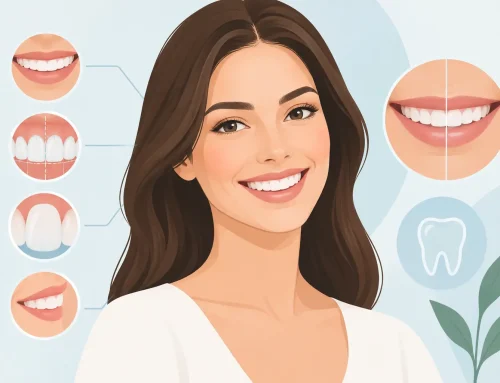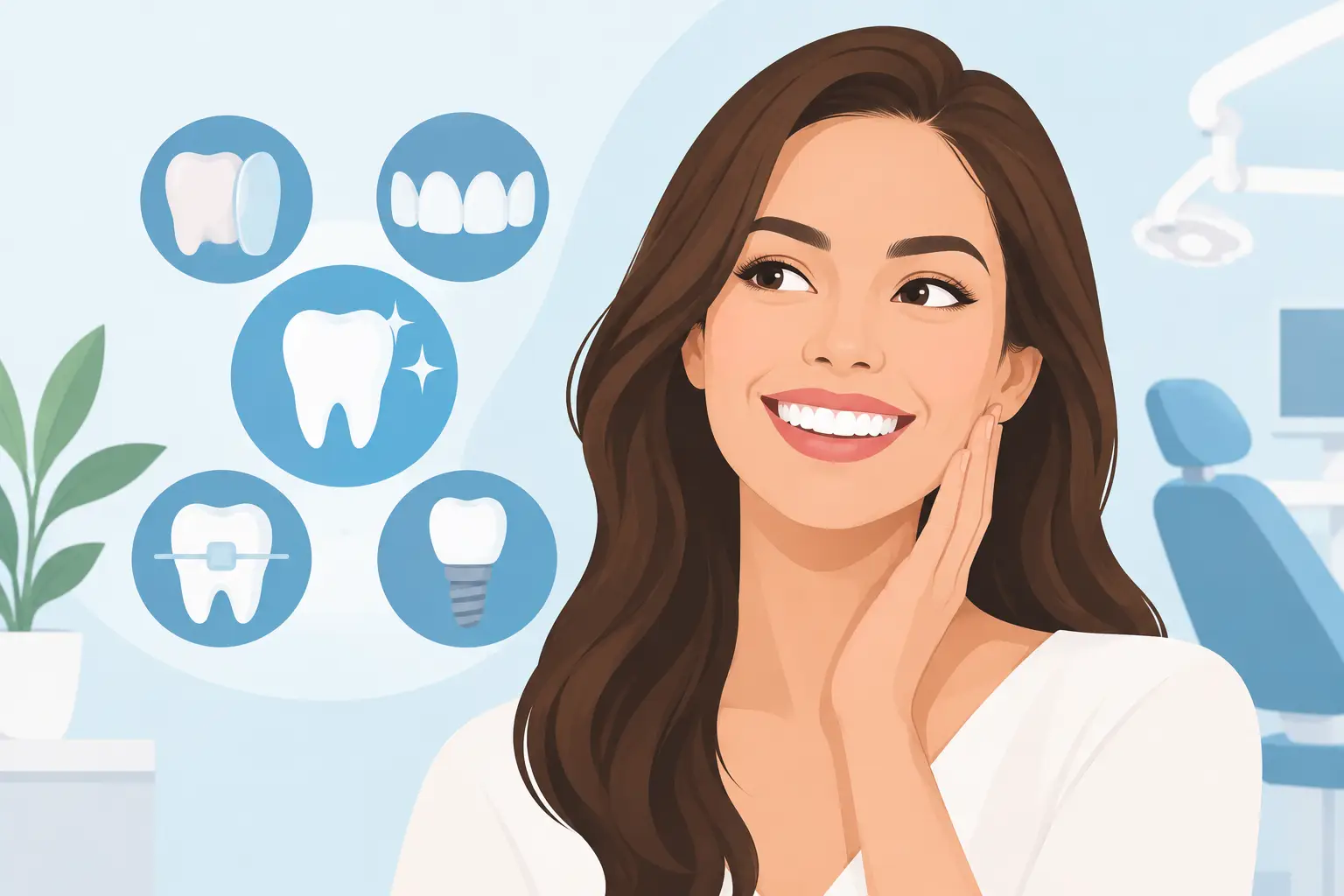
A brighter, more balanced smile can change how you feel in everyday moments, from a work presentation to a family photo. Cosmetic dentistry is not about creating a generic “perfect” smile. It is about making thoughtful improvements that look natural for your face, support your oral health, and help you feel more comfortable showing your teeth.
For patients in Fremont and the East Bay, the best cosmetic plan begins with a conversation. You may want to address stains that whitening toothpaste cannot lift, a chipped front tooth, gaps, uneven edges, or teeth that have shifted over time. Each concern has a different solution, and the right choice depends on the condition of your teeth, gums, bite, timeline, and goals.
What Cosmetic Dentistry Can Improve
Cosmetic dentistry focuses on the appearance of your smile, but appearance and function are often closely connected. A worn or chipped tooth may affect the way you bite. Crowding can make brushing and flossing more difficult. Old fillings or discolored restorations can stand out when you smile.
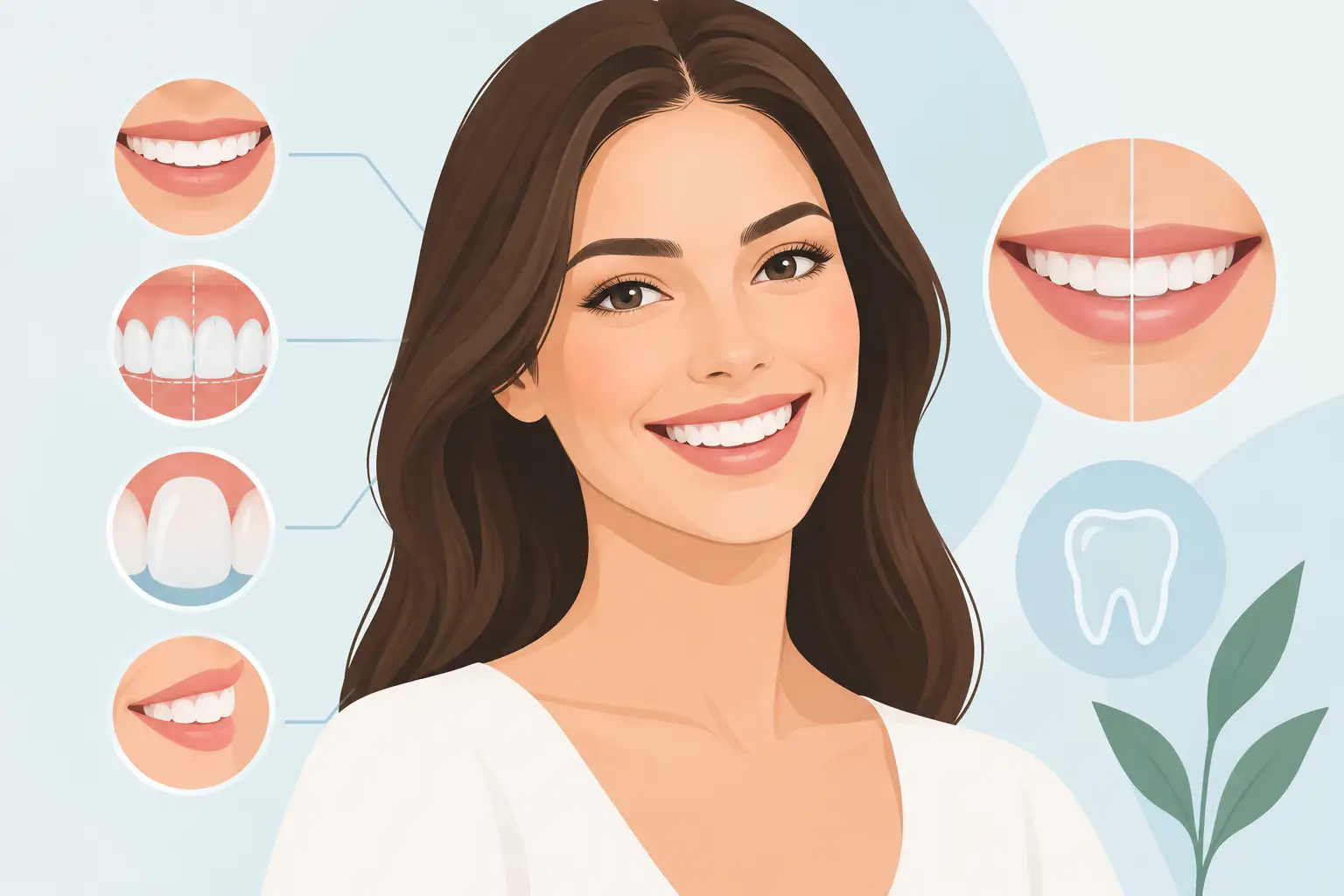
A comprehensive evaluation looks at more than tooth color. Your dentist will consider the shape, size, position, and proportion of your teeth, along with your gumline and facial features. The goal is a result that feels like you, not one that looks artificial or overdone.
Before starting elective treatment, your mouth should be healthy and stable. Cavities, gum inflammation, infection, or a bite problem may need attention first. This approach protects your investment and helps cosmetic results last longer.
Common Cosmetic Dentistry Treatments
There is no single treatment that works for every smile. Some patients see a meaningful change with professional whitening, while others benefit from a combination of orthodontic and restorative care.
Professional Teeth Whitening
Professional whitening is a popular option for teeth that have become yellow or dull from coffee, tea, wine, tobacco, aging, or certain foods. It can noticeably brighten natural enamel in a relatively short time.
Whitening does have limits. It will not change the color of crowns, veneers, fillings, or bonding. If you have visible dental work, it may be best to whiten first and then replace older restorations so they can be matched to your refreshed tooth color. Some patients also experience temporary sensitivity, which can often be managed by adjusting the treatment plan.
Veneers for Shape, Color, and Small Gaps
Porcelain veneers are thin, custom-made shells that cover the front surfaces of teeth. They can improve the appearance of permanent discoloration, worn edges, small gaps, minor chips, and uneven tooth shape.
Veneers can provide a dramatic, natural-looking change, but they require careful planning. In many cases, a small amount of enamel is reshaped to make room for the veneer. That means this is generally a long-term commitment. A well-designed veneer should complement your smile rather than make every tooth look identical.
Dental Bonding for Conservative Repairs
Dental bonding uses tooth-colored composite material to repair a chip, refine an edge, close a small gap, or improve the look of a discolored area. It is often a more conservative and cost-conscious option than veneers, especially when only one or two teeth need attention.
Bonding can look very natural, though it may stain or wear more easily than porcelain. Patients who grind their teeth, bite their nails, or frequently chew ice may need additional protection or a different treatment approach.
Invisalign and Other Clear Aligner Options
Teeth can shift at any age. Clear aligner treatment can gradually straighten crowded, spaced, or mildly rotated teeth with discreet, removable trays. For many working adults, the ability to remove aligners for meals and brushing makes treatment easier to fit into daily life.
Clear aligners require consistency. They must be worn as directed to keep treatment moving forward, and they are not the ideal answer for every bite concern. After orthodontic treatment, retainers are essential. Teeth naturally tend to move, and retention protects the time and investment put into your new smile.
Crowns, Inlays, and Smile Restoration
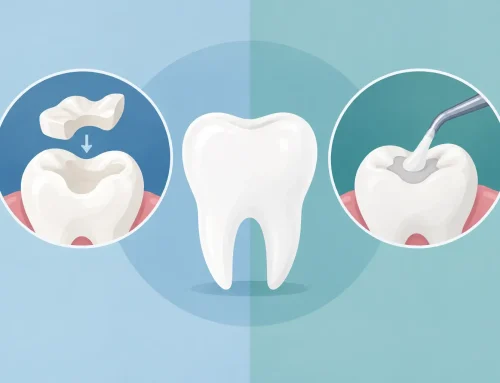
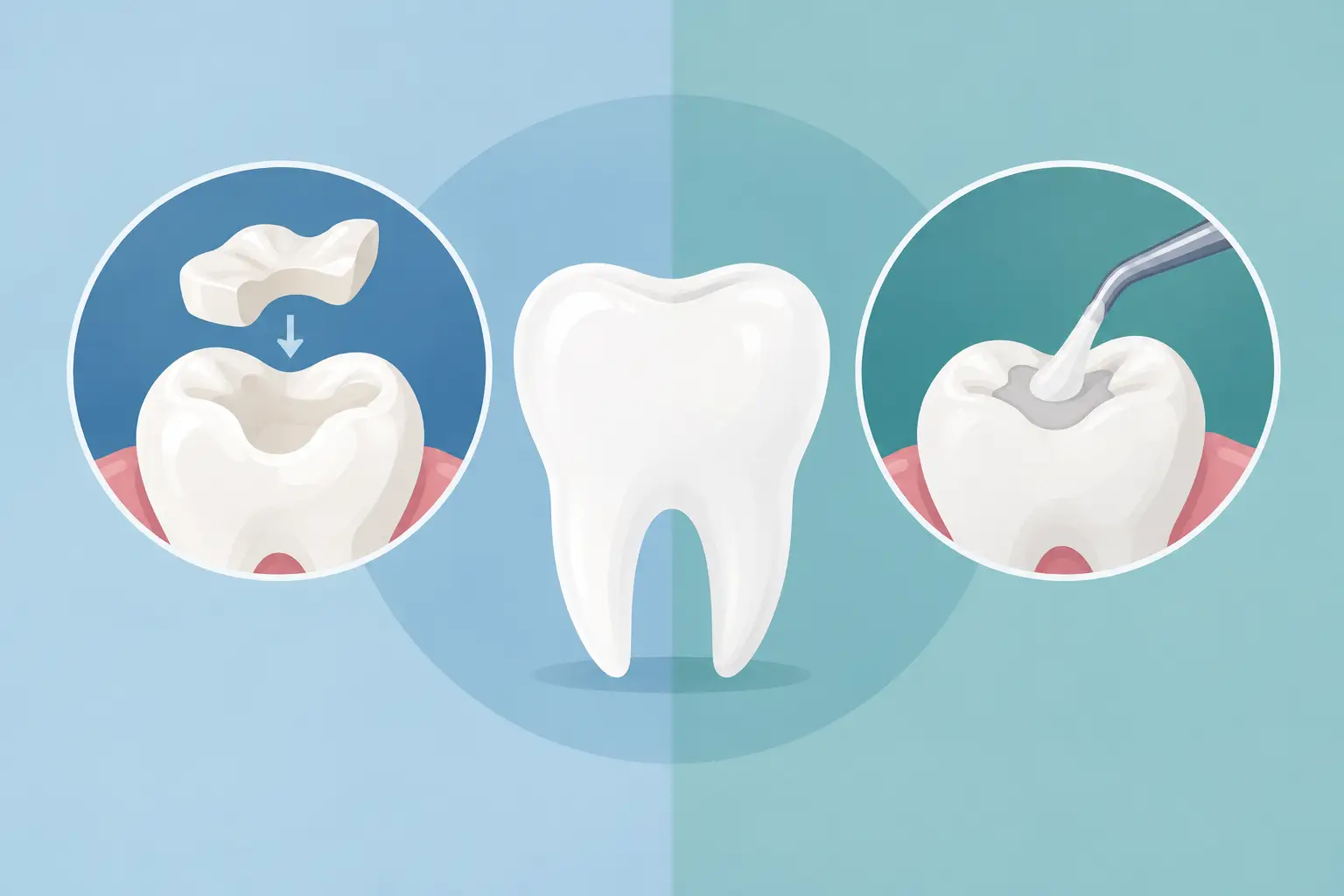
Not every cosmetic concern is purely cosmetic. A cracked, heavily filled, worn, or misshapen tooth may need a crown or inlay to restore strength as well as appearance. Modern materials can be selected and shaded to blend beautifully with surrounding teeth.
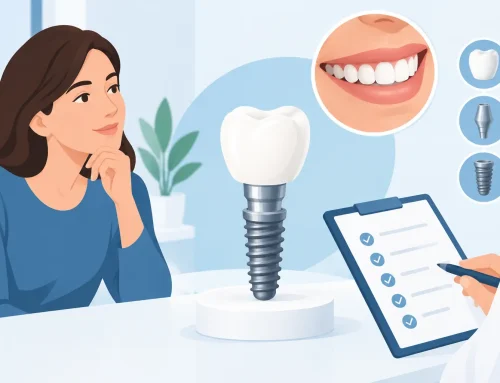
For patients with several worn, damaged, or missing teeth, a more comprehensive smile restoration may be appropriate. This type of treatment takes careful planning because it must restore comfortable chewing, healthy bite alignment, and a balanced smile together. The best path may involve crowns, bridges, implants, or dentures depending on your needs.
Choosing the Right Treatment Starts With Your Priorities
The treatment that looks best on paper is not always the best treatment for your life. It helps to think about what matters most to you. Is your main goal a whiter smile before an upcoming event? Do you want to fix one chipped tooth? Are you looking for a long-term change in the alignment and appearance of your entire smile?
Your timeline matters. Whitening and bonding may offer relatively quick improvement. Clear aligner treatment and comprehensive restorations take more time, but they can address underlying alignment or functional concerns that quick fixes cannot solve.
Budget also deserves an honest conversation. Cosmetic treatments are often not fully covered by dental insurance, although restorative treatment may have different coverage when it is medically necessary. A dental team can explain your options clearly, discuss priorities, and help you sequence treatment when completing everything at once is not practical.
Why Oral Health Comes First
Healthy gums frame every attractive smile. If gums bleed when you brush, feel tender, or have begun to recede, addressing periodontal health should come before elective cosmetic work. Gum disease can affect the stability and appearance of teeth, and treatment may change the way the gumline looks.
The same is true for teeth with untreated decay or infection. A beautiful veneer or whitening result cannot compensate for discomfort or disease. A complete exam, professional hygiene care, and digital imaging when needed allow your dentist to identify concerns early and create a plan based on your whole mouth.
This is one reason patients appreciate receiving preventive, restorative, and cosmetic care in one familiar office. At Finesse Family Dental, treatment planning can consider your complete dental picture rather than focusing on a single cosmetic concern in isolation.
What to Expect at a Cosmetic Consultation
A cosmetic consultation should feel collaborative, not pressured. You should be able to explain what you notice when you look in the mirror, what you would like to change, and what you already like about your smile. Bringing up concerns such as dental anxiety, tooth sensitivity, grinding, or a busy schedule helps your dentist recommend care that is realistic for you.
Your dentist may examine your teeth and gums, evaluate your bite, review existing restorations, and take photographs or digital images. From there, you can discuss the benefits, limitations, expected longevity, and maintenance needs of each option. Asking to see how a proposed shade or shape will blend with your natural teeth can help you make a more confident decision.
A good plan also leaves room for restraint. Sometimes polishing a rough edge, replacing a noticeable filling, whitening teeth, or using a small amount of bonding provides the change you want without more extensive treatment.
Protecting Your Cosmetic Results
Cosmetic work can last for years with consistent care, but it is not maintenance-free. Brush twice daily with a nonabrasive toothpaste, clean between teeth every day, and keep up with routine exams and professional cleanings. If you clench or grind your teeth, a custom night guard may help protect veneers, bonding, crowns, and natural enamel.
Coffee, tea, red wine, and tobacco can stain natural teeth and some bonding materials over time. You do not have to avoid every favorite food or drink, but rinsing with water afterward and maintaining regular hygiene can make a difference. If you have whitening treatment, occasional touch-ups may be needed to maintain your preferred shade.
The most successful cosmetic dentistry is not about chasing someone else’s smile. It is about choosing care that respects your health, your comfort, and the features that make your smile your own.