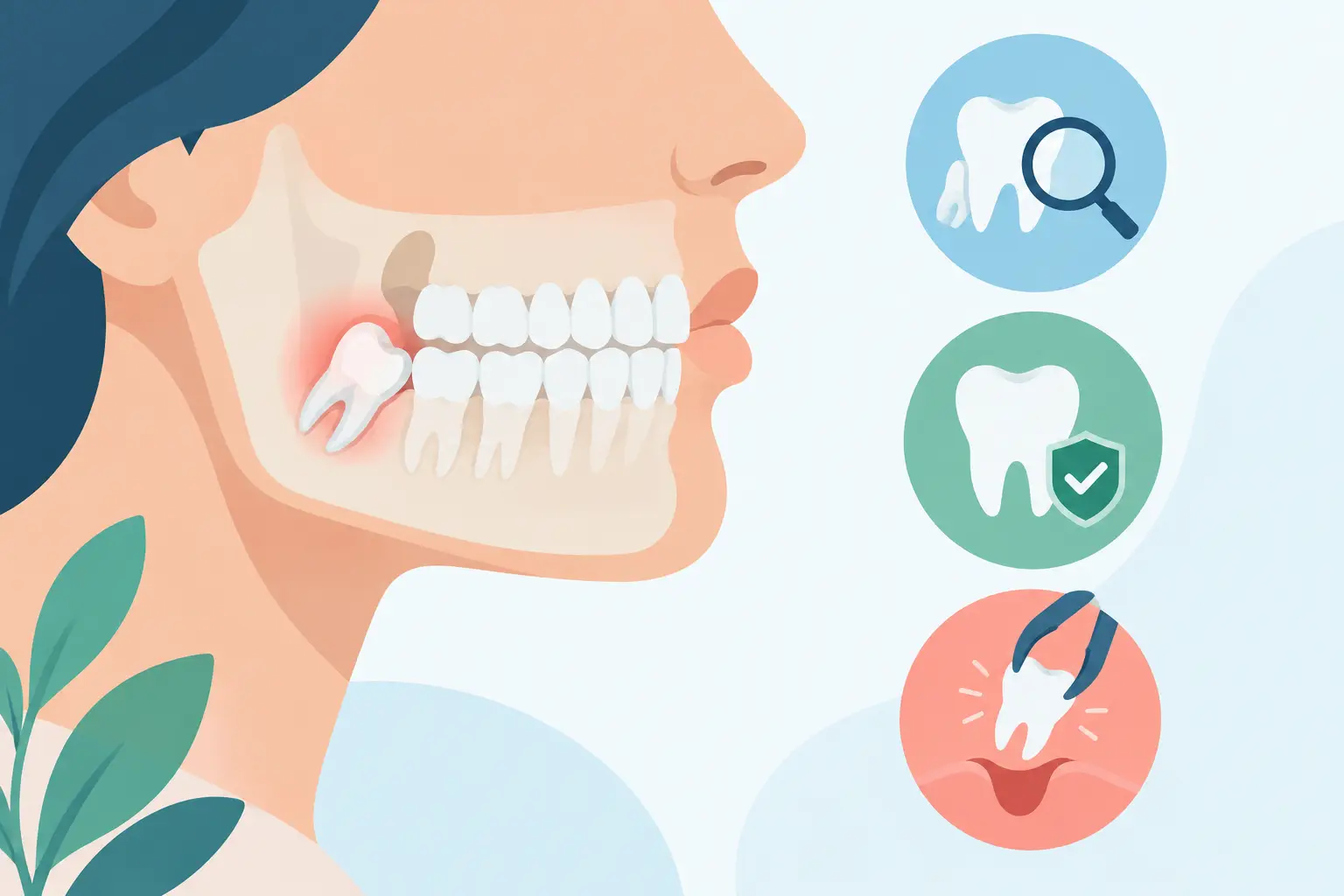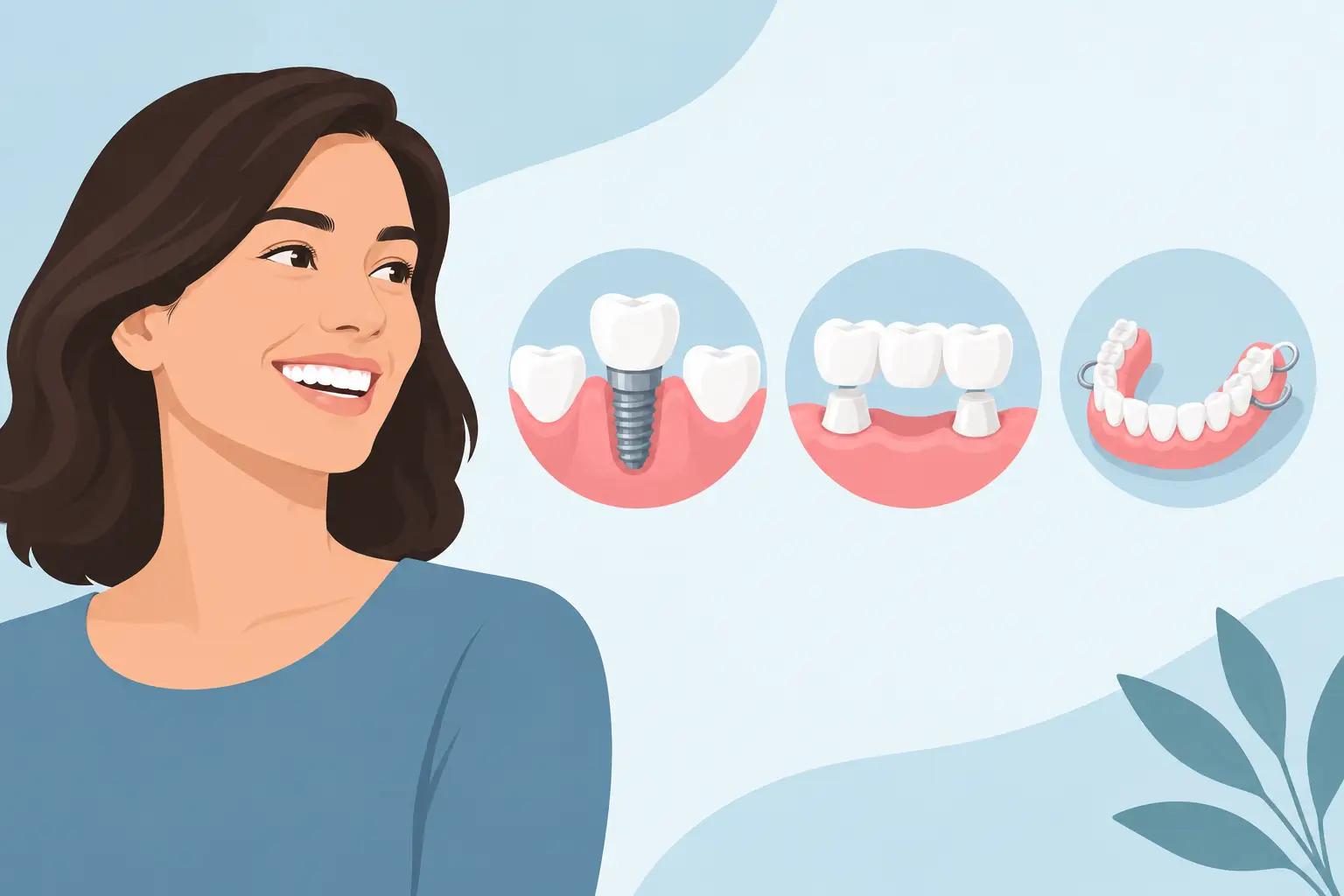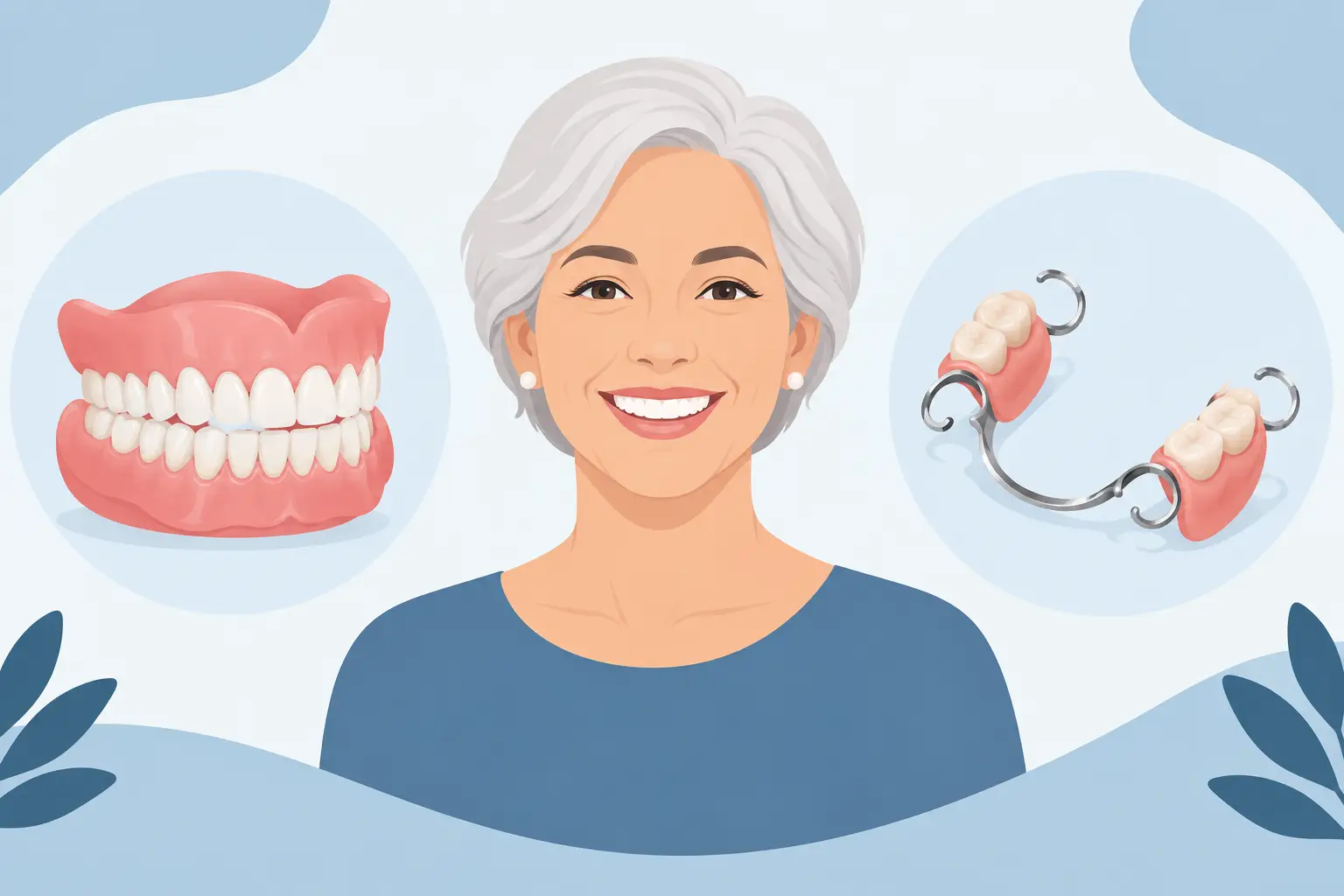
A missing tooth can make eating, speaking, and smiling feel different. When comparing dentures vs partial dentures, the right choice is not simply about how many teeth are missing. Your remaining teeth, gum health, bone support, bite, budget, and goals for your smile all matter.
At Finesse Family Dental, we take time to understand what you need from a replacement option – whether that means restoring a full arch of teeth, filling a gap without disturbing healthy teeth, or considering implant-supported care. A well-made appliance should help you feel comfortable, look natural, and return to everyday life with more confidence.
Dentures vs Partial Dentures: The Main Difference
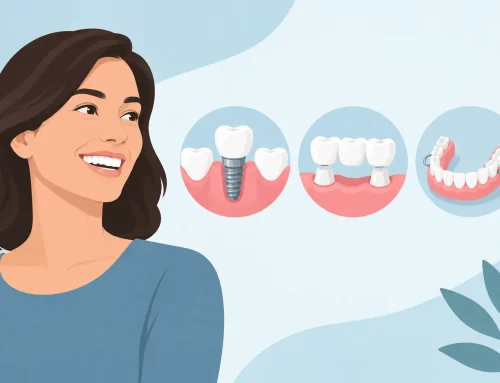
Complete dentures, often called full dentures, replace all missing teeth in the upper arch, lower arch, or both. They rest on the gums and are custom designed to restore the appearance and basic function of a full smile. Upper dentures typically gain support from the roof of the mouth, while lower dentures sit along the gum ridge and can be more likely to move during eating or speaking.
Partial dentures replace one or several missing teeth when you still have healthy natural teeth remaining. They are removable and are shaped to fit around your existing teeth. A partial denture fills the open spaces in your smile and helps keep neighboring teeth from shifting into those spaces.
Both options are custom restorations. They are not one-size-fits-all products. The quality of the fit, the design of the bite, and the way the appliance works with your gums and remaining teeth can make a meaningful difference in daily comfort.
When Full Dentures May Be the Better Choice
Full dentures may be appropriate when all teeth in an arch are missing or when the remaining teeth have a poor long-term outlook because of extensive decay, fractures, gum disease, or repeated dental problems. In some cases, removing unhealthy teeth and replacing them with a complete denture can create a more stable, comfortable path forward than trying to repair teeth that cannot be predictably saved.
A full denture can restore the visible shape of a smile and provide support for the lips and cheeks. It can also make it easier to enjoy a wider range of foods than you could with severely damaged or missing teeth. Still, patients should expect an adjustment period. New dentures can initially feel bulky, and it takes practice to chew, speak clearly, and keep them stable.
Bone changes are another consideration. After teeth are lost, the jawbone gradually changes shape because it no longer receives stimulation from tooth roots. Over time, a denture may become looser and need adjustment, relining, or replacement. For patients who want more security, dental implants can sometimes be used to anchor a denture in place. Implant-supported dentures are not right for everyone, but they can improve stability and chewing comfort for qualified patients.
Immediate Dentures and Conventional Dentures
If teeth need to be removed, an immediate denture may be placed on the same day as extractions so you do not have to go without teeth during healing. This can be reassuring for patients concerned about their appearance. Because the gums and bone change as they heal, immediate dentures commonly require adjustments and may later need to be relined or replaced.
Conventional dentures are made after the gums have healed more fully. They can offer a more refined fit at that stage, although the process requires more time without natural teeth. Your dentist can explain which timing makes sense for your health, comfort, and personal circumstances.
When a Partial Denture May Be the Better Choice
A partial denture is often a practical option when several natural teeth remain healthy and stable. It can replace teeth in different areas of the arch, including teeth that are not next to one another. This is helpful when a fixed bridge is not possible or when implants are not the preferred option.
A partial usually includes replacement teeth attached to a gum-colored base. Depending on the design, it may use a lightweight metal framework, acrylic material, or carefully placed clasps that connect to natural teeth for support. Some clasps may be visible when you smile, while others can be designed to be less noticeable. The best design depends on the location of the missing teeth, the strength of your remaining teeth, and how much support the appliance needs.
Beyond improving appearance, a partial denture helps distribute biting forces and can reduce the tendency for nearby teeth to drift. Teeth can move surprisingly quickly into an open space, changing your bite and making future treatment more complicated. Replacing missing teeth sooner can help protect the alignment of the smile you still have.
A partial denture does require healthy supporting teeth and good daily hygiene. If the teeth holding the partial are affected by active gum disease, decay, or mobility, those issues should be addressed first. A partial should support your oral health, not place extra strain on teeth that already need care.
Comfort, Appearance, and Everyday Function
Patients often ask which option feels more natural. The honest answer is that it depends on the individual. A properly designed partial can feel quite secure because it uses natural teeth for support. A full denture can also be comfortable and attractive, but it relies more on the shape of the gums and jawbone for retention.
Eating takes patience with either restoration at first. Start with softer foods cut into small pieces, then gradually add more variety as you gain confidence. Try chewing on both sides of the mouth at the same time to help keep the denture balanced. Very sticky foods, hard nuts, and foods that require a strong tearing motion may remain challenging, especially with a lower full denture.
Modern denture teeth are made to look realistic in color, shape, and size. Your dentist can help choose a look that fits your facial features and preferences. Natural-looking dentistry does not mean every tooth must look perfectly identical. Slight variation can create a more believable, personal result.
Cost and Insurance Considerations
The cost of dentures and partial dentures varies based on the materials, complexity of the case, required extractions or periodontal treatment, and whether implants are part of the plan. A basic appliance may have a lower initial cost, but it may not provide the same durability, fit, or esthetic detail as a more customized option.
Insurance benefits can also differ between full dentures, partial dentures, relines, repairs, and implant treatment. Many PPO plans provide some level of coverage for removable prosthetics, but annual maximums and replacement timelines may apply. Reviewing benefits before treatment can help you understand your expected out-of-pocket costs and plan with fewer surprises.
The lowest-cost choice is not always the most economical choice over time. An appliance that fits poorly can lead to soreness, frequent repairs, difficulty eating, and frustration. A thoughtful treatment plan considers both the immediate investment and the maintenance you may need in the years ahead.
Caring for Dentures and Partial Dentures
Removable dentures and partials need daily attention. Take them out at night unless your dentist gives different instructions. Clean them with a soft denture brush and a cleanser made for removable appliances. Regular toothpaste can be too abrasive and may leave tiny scratches where stains and bacteria can collect.
Clean your gums, tongue, and any remaining natural teeth every day as well. If you wear a partial, brush and floss carefully around the teeth that support it. Those teeth are especially valuable and deserve consistent preventive care. Keep the appliance in water or a recommended soaking solution when it is not in your mouth so it does not dry out or change shape.
Do not try to adjust a denture or partial yourself. A small bend in a clasp or a rough spot on the base can change how the appliance sits and may damage your gums or supporting teeth. If you notice rubbing, looseness, clicking, cracks, or a change in your bite, schedule an appointment for a professional adjustment.
Choosing the Right Path for Your Smile
The decision between dentures and partial dentures begins with a thorough examination. Your dentist will evaluate your remaining teeth, gums, bite, jawbone, medical history, and the way you want your smile to function and look. In some cases, a partial is the clear conservative choice. In others, a full denture or implant-supported restoration offers better long-term support.
You do not have to settle for a smile that makes you hide your teeth or avoid the foods you enjoy. A personal conversation with a trusted dental team can turn a difficult decision into a clear, comfortable next step.