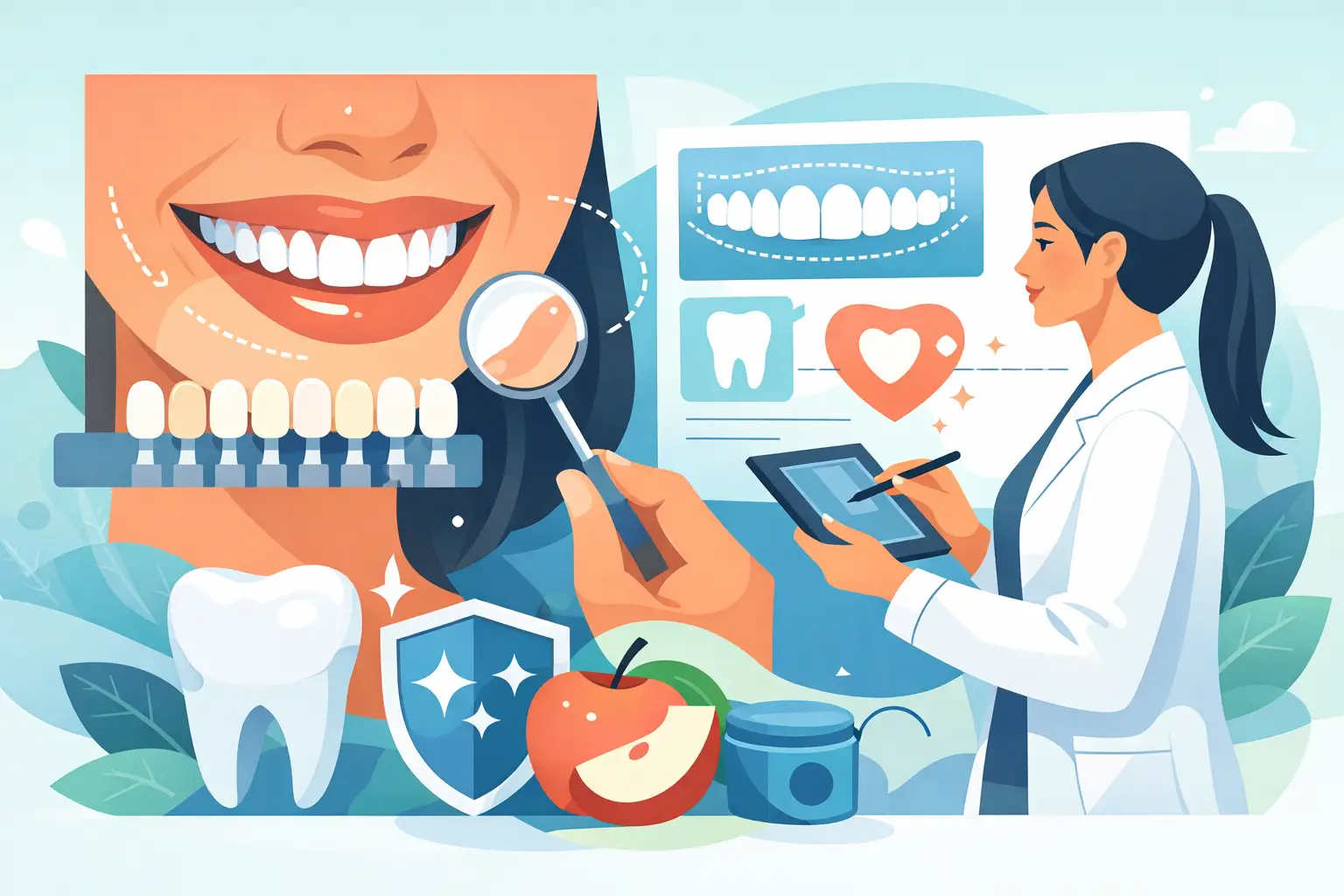
A smile can look uneven for many different reasons: a chipped front tooth, worn edges, discoloration that whitening alone cannot correct, crowding, old dental work, or gums that show too much when you smile. The question is not simply which cosmetic treatment to choose. Understanding how smile design works helps you see how several details can be evaluated together to create a result that looks natural, feels comfortable, and supports long-term oral health.
Smile design is a personalized planning process, not a one-size-fits-all procedure. Your dentist looks at your teeth, gums, bite, facial features, and goals before recommending treatment. For one patient, the right plan may be professional whitening and bonding. For another, it may involve Invisalign, veneers, crowns, gum treatment, or a combination of care.
How Smile Design Works at Your First Visit
A successful smile design begins with a conversation. You may have a clear goal, such as making your teeth look brighter before a wedding or repairing visible damage after years of grinding. Or, you may only know that you avoid showing your teeth in photos. Both are useful starting points.
Your dentist will ask what you would like to change and what you want to preserve. Some patients want a noticeable cosmetic transformation, while others want a subtle improvement that friends and coworkers cannot quite identify. There is no single ideal smile. The best result fits your face, personality, and everyday life.
The clinical examination matters just as much as the cosmetic discussion. Before changing the appearance of teeth, your dentist checks for cavities, gum inflammation, worn enamel, cracks, bite problems, and existing fillings, crowns, or bridges. Cosmetic dentistry is more predictable when the foundation is healthy.
Digital X-rays, intraoral images, and other modern diagnostic tools can help reveal concerns that are not visible in a mirror. These records also help your dentist plan treatment carefully and explain why a specific option may be recommended.
The Details That Shape a Natural-Looking Smile
Smile design considers more than the shade or size of front teeth. A dentist studies how the teeth relate to one another, your gumline, your lips, and the way your face moves when you speak and smile.
Tooth shape, proportion, and symmetry
Small differences can have a big visual effect. Teeth that are worn or chipped may appear shorter. A narrow tooth next to a wider one can make the smile look unbalanced. Gaps, overlapping edges, and uneven lengths may draw attention even when teeth are otherwise healthy.
Your dentist considers the proportions of each visible tooth rather than trying to make every tooth identical. Natural smiles are not perfectly symmetrical. The goal is a balanced appearance with subtle variations that suit you, not an artificial row of overly white, overly uniform teeth.
Tooth color and surface character
Color planning goes beyond selecting the brightest possible shade. The right shade depends on your skin tone, the color of nearby teeth, and your preference for a natural or more dramatic look. Professional whitening may be the most conservative choice when the main concern is surface staining or overall discoloration.
However, whitening will not change the color of crowns, fillings, veneers, or bonding. If visible restorations are part of your smile, the sequence of treatment is important. Whitening may be completed first so new restorations can be matched to your preferred brighter shade.
Gum health and gumline balance
Healthy gums frame the teeth. Redness, bleeding, recession, swelling, or uneven gum contours can affect both appearance and comfort. Gum disease treatment may need to come before cosmetic work, especially if inflammation could change the gumline or compromise the lifespan of restorations.
Some patients are concerned about a “gummy” smile or uneven gum height. Depending on the cause, treatment may involve periodontal care or gentle reshaping. Your dentist will explain what is appropriate for your oral health and whether changing the gumline would truly improve the overall balance of your smile.
Bite, function, and tooth preservation
A beautiful result should also work well. If you clench or grind your teeth, have an uneven bite, or place excessive pressure on certain teeth, cosmetic restorations may chip, loosen, or wear too quickly. Bite analysis helps identify these risks before treatment begins.
Sometimes orthodontic treatment such as Invisalign is the better first step because it moves teeth into a healthier position with less need to remove tooth structure. In other cases, conservative bonding, a crown, or a veneer may be the appropriate way to restore shape and strength. The treatment choice depends on your teeth, bite, timeline, and goals.
Which Treatments May Be Part of Smile Design?
Smile design can include one treatment or a carefully staged combination. The right plan should be as conservative as possible while still addressing the concerns that matter to you.
Professional whitening can brighten natural enamel and is often a simple first step. Dental bonding uses tooth-colored material to repair small chips, close minor gaps, or improve uneven edges. It can be an affordable, conservative option, though it may need polishing, repair, or replacement over time.
Veneers are thin custom restorations placed on the front of teeth to improve color, shape, size, or minor alignment concerns. They can create a significant change, but they are not the right answer for every patient. Veneers require thoughtful planning and are usually a long-term commitment because teeth may need preparation before placement.
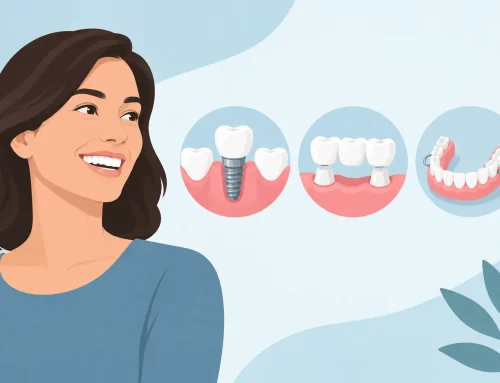
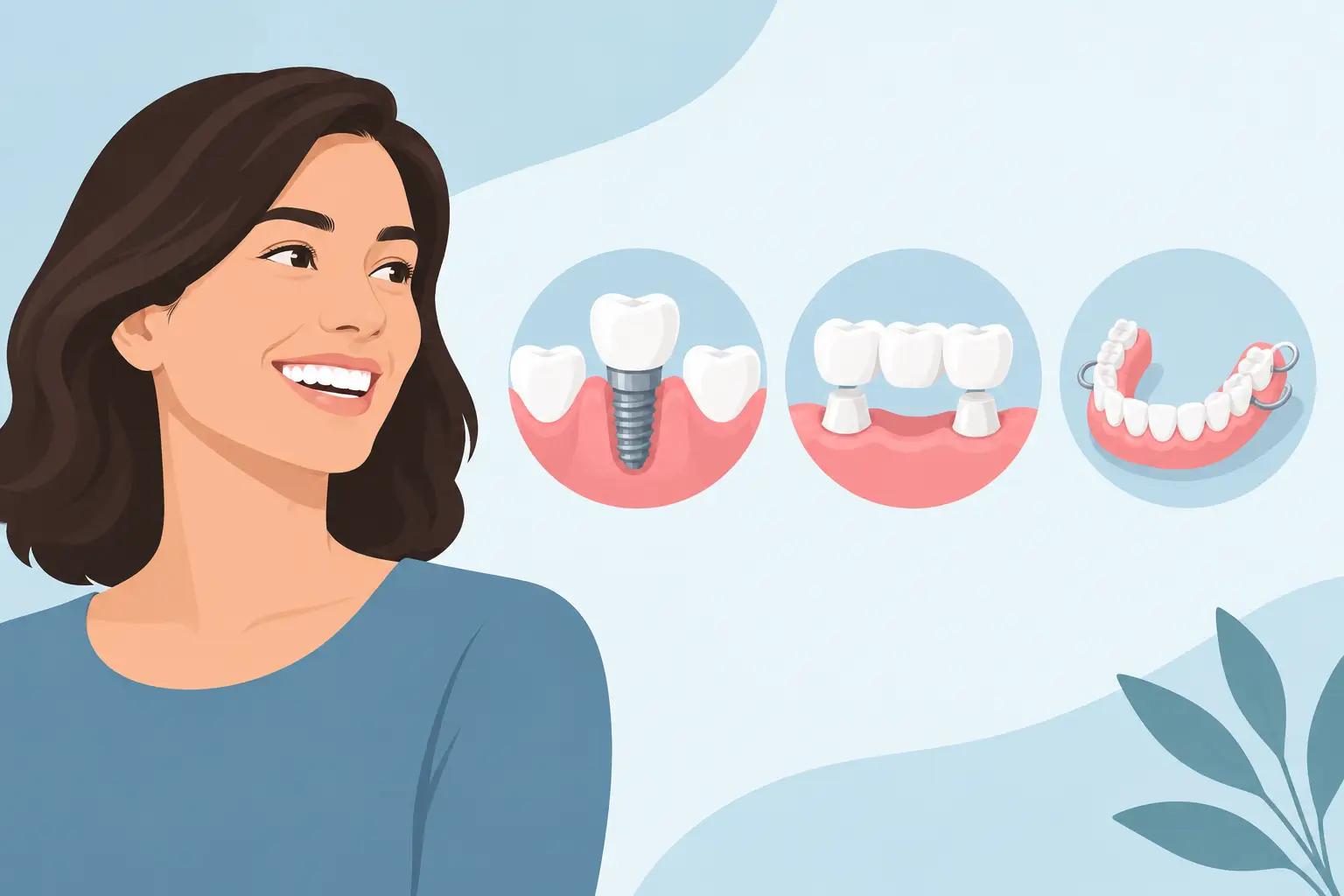
Crowns may be recommended when a tooth needs more than cosmetic enhancement. A tooth with a large old filling, fracture, root canal treatment, or substantial wear may need the full coverage and protection a crown provides. When missing teeth affect the smile, bridges, dentures, or dental implants can restore appearance as well as chewing ability.
Invisalign can improve spacing, crowding, and bite alignment for many adults and teens. Straightening teeth before veneers or bonding may reduce the amount of restorative work needed. It does take time and consistent aligner wear, so it may not fit every deadline, but it can offer a tooth-preserving path to a more balanced smile.
Planning the Timeline and Budget
One benefit of smile design is that treatment can often be phased. Health needs generally come first, followed by alignment, whitening, and final restorations when appropriate. This order protects your investment and helps avoid redoing cosmetic work later.
For example, a patient with bleeding gums and crowded front teeth may first receive periodontal care and Invisalign. Whitening can follow, with bonding or veneers considered only after the teeth are in their planned positions. A patient with healthy, straight teeth but discoloration and a chipped edge may need only whitening and a small amount of bonding.
Your dentist should discuss expected longevity, maintenance, and costs before you begin. Whitening needs touch-ups. Bonding can stain or chip. Veneers and crowns are durable but still need excellent home care and regular dental visits. A nightguard may be recommended for patients who grind their teeth, especially after veneers or crowns are placed.
Insurance coverage varies, particularly for treatments performed primarily for cosmetic reasons. Even when a procedure is not covered, a clear treatment plan can help you understand priorities and decide whether to complete care in phases. At Finesse Family Dental, patients can discuss cosmetic goals alongside restorative and preventive needs in one comfortable, full-service setting.
What to Expect After Your New Smile Is Complete
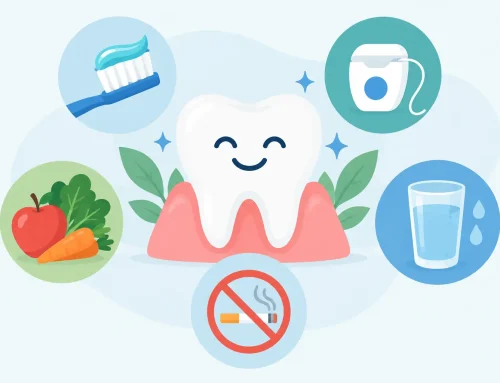
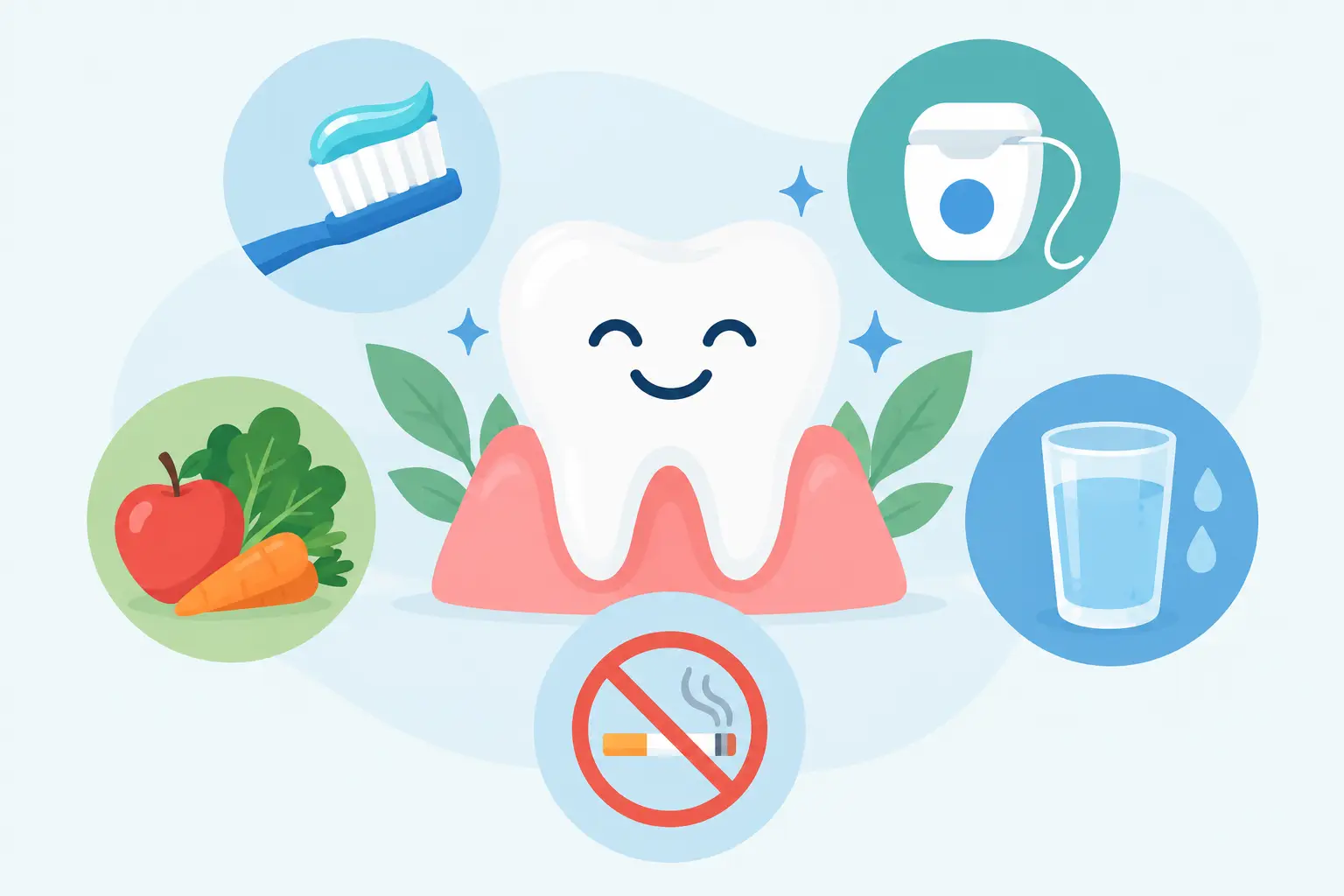
Most smile design results are maintained with the same habits that protect your natural teeth: brushing twice daily with fluoride toothpaste, cleaning between teeth, keeping regular hygiene appointments, and limiting frequent exposure to staining foods and drinks when possible. Avoid using teeth to open packages or bite hard objects, especially if you have veneers, bonding, or crowns.
Pay attention to changes instead of waiting for discomfort. A rough edge, a chipped restoration, gum bleeding, or a bite that suddenly feels different is worth a call to your dentist. Small concerns are often easier to address early.
A well-designed smile should never feel like someone else’s teeth. It should let you speak, eat, laugh, and smile with greater ease. Start with an honest conversation about what you see, what you want to change, and what healthy, confident results would look like for you.