A family dentist becomes part of the rhythm of your household. They are the person you call when your child chips a tooth at school, when a crown feels loose before a work trip, or when you finally decide it is time to improve the smile you see in photos. Knowing how to choose a family dentist means looking beyond the closest office and finding a practice where every member of your family can feel informed, comfortable, and genuinely cared for.
The right choice is not always the practice with the flashiest advertisement or the shortest drive. It is the one that combines dependable clinical care with the kind of personal attention that makes regular visits easier to keep.
How to Choose a Family Dentist for Long-Term Care
Start by thinking about what your family may need not only this year, but over the years ahead. Routine cleanings and exams are the foundation of good oral health, but most families eventually need more. A child may need preventive care and monitoring as permanent teeth arrive. A parent may need a filling, crown, implant, or help managing gum disease. Someone else may be interested in whitening, veneers, or Invisalign.
A practice that provides a broad range of care in one office can make those moments far less stressful. You may not need to establish a relationship with a new specialist for every concern, repeat records at multiple offices, or coordinate treatment plans between separate providers. That does not mean every procedure must be performed in-house in every situation. Complex cases sometimes benefit from a specialist referral. Still, a full-service family practice can provide valuable continuity and a clearer overall picture of your oral health.
When comparing offices, ask whether they offer preventive, restorative, cosmetic, periodontal, pediatric, and emergency-focused care. Also ask how they handle orthodontic needs, tooth replacement, root canal treatment, and extractions. The goal is not to predict every dental issue your family will face. It is to choose a dental home prepared to guide you when needs change.
Look for Experience That Feels Personal
Credentials matter. Your dentist should be licensed, committed to continuing education, and experienced in the treatments your family is most likely to need. But experience alone does not tell the whole story. The best family dental care pairs clinical knowledge with careful listening.
During a first visit or consultation, notice whether the dentist takes time to ask questions about your concerns, health history, past dental experiences, and goals. A good provider explains what they see in plain language and gives you room to ask questions. You should understand what treatment is recommended, why it is recommended, what alternatives may be available, and what may happen if you wait.
This communication becomes especially meaningful for families. Parents need guidance that makes sense for a child’s developing smile. Adults may want a practical treatment plan that accounts for work schedules, budget, and long-term priorities. Patients with dental anxiety need a team that does not rush or dismiss their concerns.
Patient reviews can help you understand how an office treats people day to day. Look for consistent comments about gentleness, professionalism, clear explanations, punctuality, and the way the staff responds when a patient is nervous or in pain. One isolated review rarely tells the full story. A pattern of feedback is more useful.
Consider Comfort as Part of Quality Care
For many people, choosing a dentist is not only a clinical decision. It is an emotional one. A dental office should feel clean, organized, and welcoming from the moment you arrive. The front desk team should be able to answer basic questions clearly, while the clinical team should help you feel prepared rather than pressured.
Modern technology can also improve comfort and efficiency when it is used thoughtfully. Digital imaging can help dentists evaluate concerns with precision and show patients what is happening in their mouths. Advanced treatment options may support more conservative care, better planning, or shorter appointments depending on the procedure. For gum disease treatment, for example, laser technology may be an option for some patients who want a gentle approach.
Technology should support excellent care, not replace human judgment. If an office promotes advanced equipment, ask how it benefits your particular treatment. A confident answer should be clear and specific, not overly technical or sales-focused.
Make Sure the Office Works for Your Real Schedule
Convenience has a direct effect on preventive care. If appointments are difficult to schedule, the office is far from home or work, or every family member needs a separate provider, it becomes easier to postpone visits. Small delays can turn manageable concerns into more involved treatment.
Consider the office location, available appointment times, parking, and how the practice handles urgent needs. Fremont and East Bay families often balance school drop-offs, commuting, caregiving, and demanding workdays. An office that communicates efficiently and respects your time can make dental care much easier to maintain.
It also helps to ask whether family members can be scheduled on the same day. This may not always be possible, especially for longer procedures, but coordinated visits can reduce the number of trips you make. Ask about cancellation policies as well. Life happens, particularly with children, and it is helpful to know what flexibility is available.
Understand Insurance, Costs, and Treatment Planning
Dental insurance can make care more affordable, but it should not be the only reason you select a dentist. An insurance plan may limit which services it covers, how often it pays for preventive care, or which materials are included. A practice that accepts your PPO plan can be helpful, but you also want a team that explains benefits and out-of-pocket estimates before treatment begins.
Be cautious if you feel pressured to commit to major treatment immediately without a clear explanation. At the same time, do not assume that a recommended treatment is unnecessary simply because it involves a cost. Ask to see the findings, understand the risks of waiting, and discuss phased treatment if appropriate. Many dental concerns can be prioritized, allowing you to address urgent health needs first and plan elective improvements later.
A thoughtful treatment plan should feel like a conversation. It should reflect your health, goals, timeline, and financial considerations rather than applying the same approach to every patient.
Choose a Practice That Can Care for Every Generation
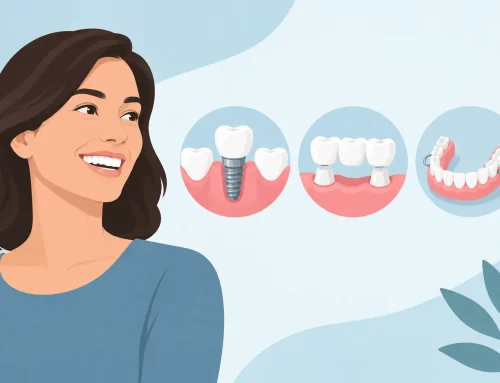
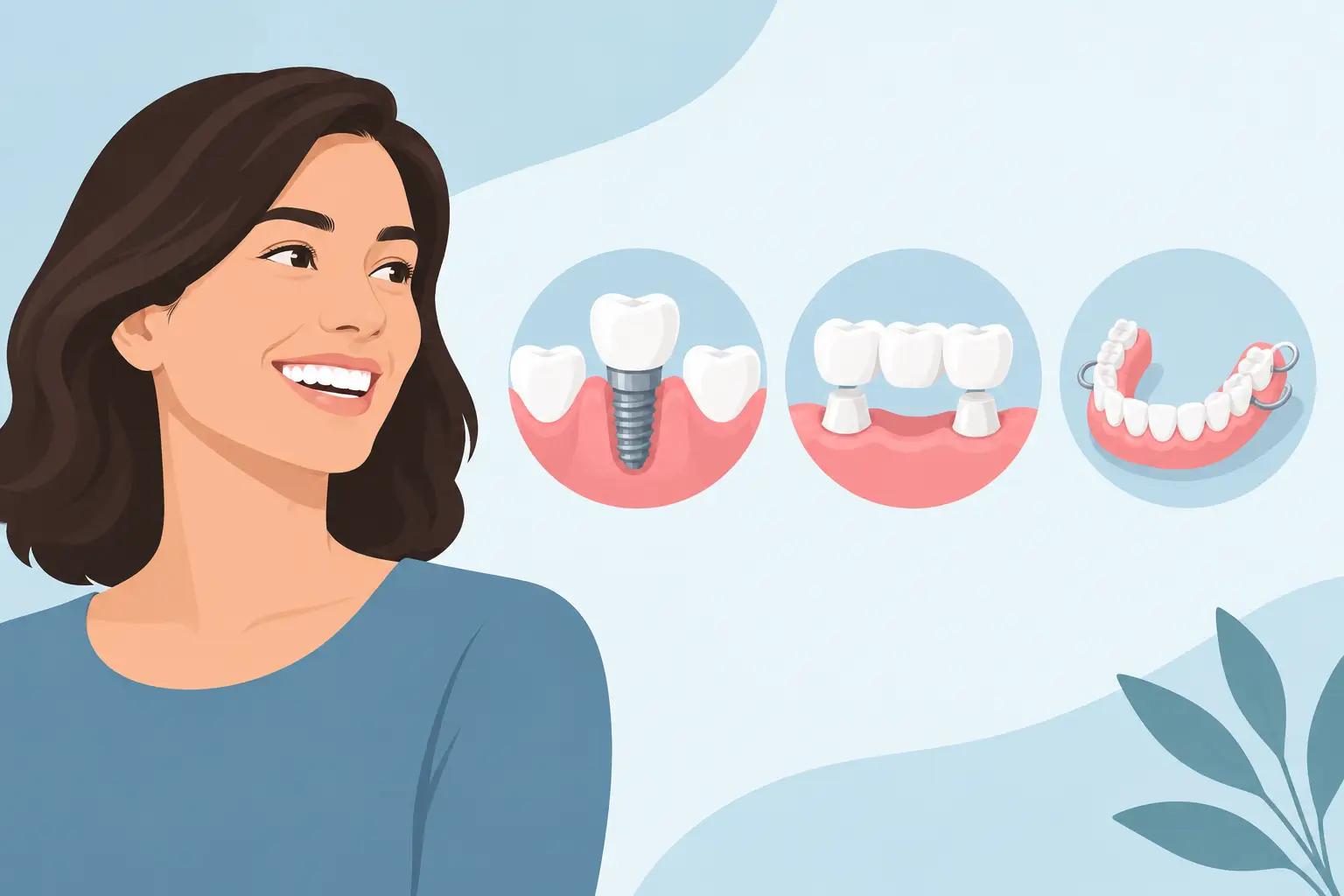
Children, teens, adults, and older adults have different dental needs, but they all benefit from a trusted relationship with a caring dental team. For children, that may mean patient introductions to cleanings, positive reinforcement, and early prevention. For adults, it may mean repairing worn or damaged teeth, treating gum disease, or improving smile confidence. For older family members, it may include dentures, bridges, implants, or support for changing oral health needs.
A family dentist should be comfortable adapting care as those needs evolve. The office should also help parents understand how to support good habits at home without creating fear around dental visits. A calm, encouraging experience in childhood can influence a person’s approach to oral health for years.
At Finesse Family Dental, families in Fremont can find comprehensive care designed to support routine prevention, restorative needs, and smile goals in one professional, welcoming setting. The value of that relationship is not just convenience. It is having a team that understands your history and can help you make confident decisions over time.
Your first appointment is a chance to evaluate the fit. Pay attention to how you are welcomed, how clearly your questions are answered, and whether you leave feeling more at ease than when you arrived. The right family dentist will make room for both your immediate needs and the healthier smiles your family is building for the future.