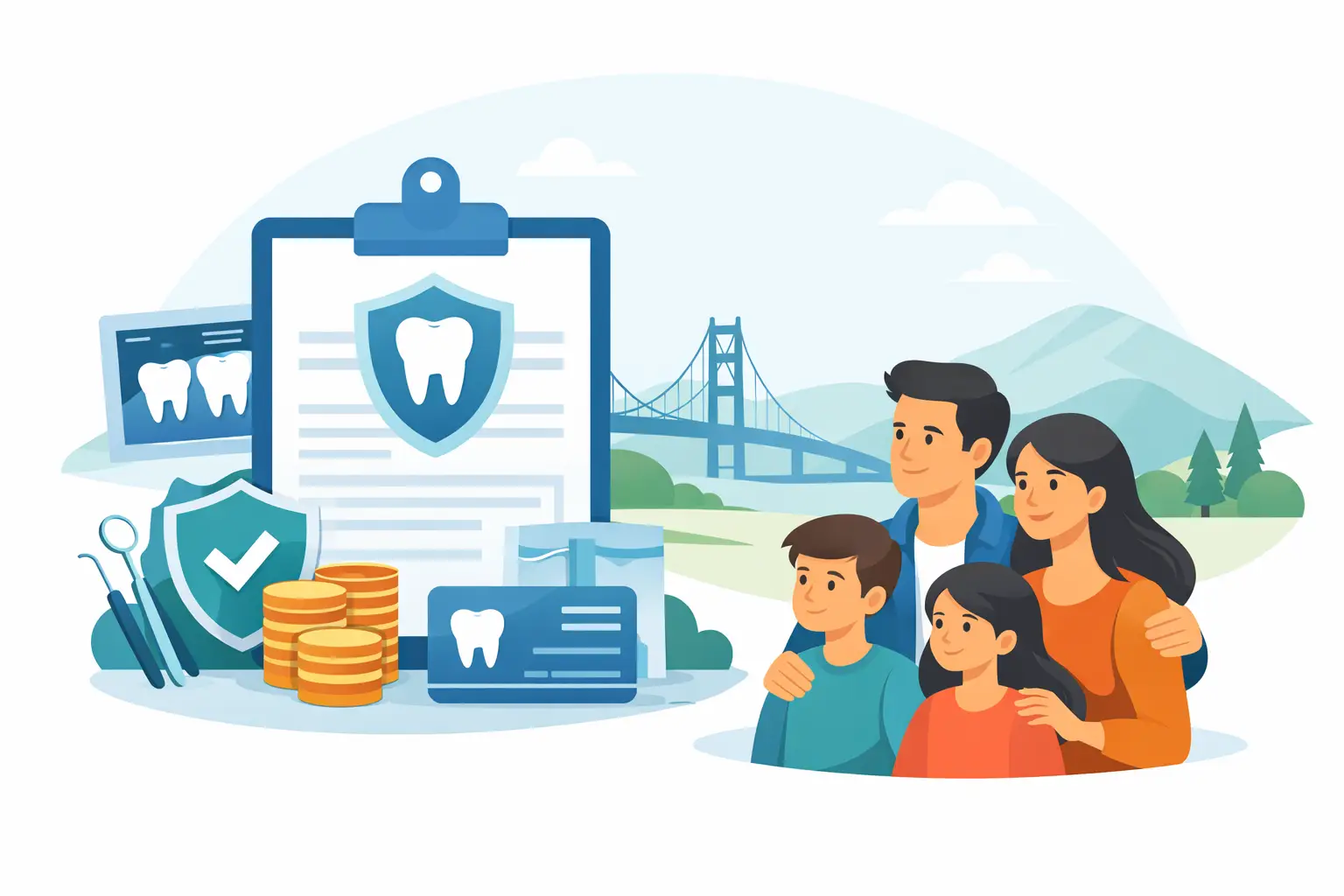
A dental insurance card can make care feel more affordable, but it does not always make the details clear. PPO dental insurance explained simply: it is a plan that gives you the freedom to see many dentists while offering your best savings when you choose a dentist in your plan’s network. For Fremont families balancing preventive visits, unexpected tooth pain, and smile goals, understanding that difference can prevent frustrating surprises.
A PPO is designed to give you choices. It can be a practical fit for patients who want the flexibility to stay with a trusted dentist, receive care close to home, and access a broad range of services without being limited to one narrow provider list. Still, every policy has its own rules, so your exact coverage comes from your employer’s plan documents and your insurance carrier’s benefit information.
PPO Dental Insurance Explained: The Basic Idea
PPO stands for Preferred Provider Organization. Your insurance company contracts with participating dental offices to set agreed-upon fees for covered services. When you visit an in-network dentist, the office bills the insurer at those contracted rates, and you generally pay your share after insurance applies.
You may also be able to see an out-of-network dentist. A PPO usually provides some reimbursement for that visit, but it may be lower, and the dentist is not bound by the insurer’s contracted fee. That can leave you responsible for more of the total cost. In some cases, the difference is modest; in others, it can be substantial.
This is why “we accept your insurance” and “we are in network with your insurance” are not necessarily the same thing. An office can submit claims to many PPO plans without being a contracted provider for every one of them. Before an appointment, ask both the dental office and your insurer whether the dentist is in network for your specific plan. Network status can vary even among plans from the same carrier.
What Your Plan Pays For
Most PPO dental plans organize benefits into preventive, basic, and major services. Preventive care often receives the strongest coverage because regular exams and cleanings can catch small concerns before they become more complicated. Basic services may include fillings, simple extractions, and periodontal treatment. Major services often include crowns, bridges, dentures, and certain root canal or surgical procedures.
A common benefit structure is 100% coverage for preventive care, 80% for basic treatment, and 50% for major treatment after the deductible. Those percentages are examples, not a promise. Your own plan may use different percentages, limits, waiting periods, or exclusions.
The percentage also applies to the plan’s allowed amount, not always the office’s usual fee. If you receive out-of-network care, the insurer may calculate its payment using an amount below the actual charge. You would then owe your coinsurance plus the difference. A treatment estimate from your dental office can help you see the expected patient portion before care begins.
Preventive care is valuable, but frequency rules apply
Many plans cover two cleanings and exams each calendar year, but they may require a certain number of months between visits. X-rays also have timing rules. For example, bitewing X-rays may be covered once every 12 months, while a full-mouth series may have a longer interval.
If your dentist recommends periodontal maintenance because of gum disease, your plan may cover it differently than a routine cleaning. The distinction is based on your clinical needs and your plan’s benefit categories, not simply the name used for the appointment. A gentle, thorough evaluation helps determine which care supports your oral health.
The Numbers That Affect Your Out-of-Pocket Cost
Three insurance terms influence almost every treatment decision: deductible, coinsurance, and annual maximum.
Your deductible is the amount you pay before your plan begins contributing to many basic and major services. Preventive visits are often exempt, though not always. If your deductible is $50 and you need a filling, you may pay the first $50 before the plan pays its stated percentage of the remaining allowed amount.
Coinsurance is your share after the deductible. If a covered filling is paid at 80%, the remaining 20% is generally your responsibility. Again, that calculation depends on the allowed amount and whether the office is in network.
Your annual maximum is the most your dental plan will pay toward covered care during a benefit year. Many plans have maximums in the low thousands, though amounts vary. This is not the same as an out-of-pocket maximum in medical insurance. Once your dental plan reaches its annual maximum, you are typically responsible for additional costs until benefits reset.
For a family, each enrolled person commonly has a separate deductible and annual maximum. One child’s orthodontic needs or one parent’s crown does not usually consume everyone else’s maximum, but confirm your policy. Orthodontic benefits, when included, often have separate lifetime limits and age restrictions.
When Timing Can Make a Difference
If you need more than one treatment, the calendar can affect how you use your benefits. A patient who has already met their annual maximum may decide, when clinically appropriate, to schedule some non-urgent treatment after the plan renews. Someone with unused benefits near year-end may prefer to complete recommended care before those benefits expire.
That does not mean dental treatment should be delayed when there is pain, infection, a broken tooth, or an active gum concern. Dental problems can become more extensive and more costly when left untreated. Your dentist can explain the health considerations, while the administrative team can help review financial options and estimate how benefits may apply.
Benefit years are not always January through December. Some employer plans renew on a different date. It is worth checking your policy rather than assuming a December deadline applies.
Common PPO Limits That Catch Patients Off Guard
Dental plans are helpful, but they are not designed to cover every service in full. Cosmetic procedures such as whitening or veneers are commonly excluded, even when they can make a meaningful difference in confidence. Invisalign and other orthodontic treatment may have limited coverage or none at all for adults.
Plans can also use replacement rules. A crown, denture, bridge, or filling may be eligible for replacement only after a set number of years, unless there is a qualifying clinical reason. Some policies cover a less expensive alternative rather than the exact material or treatment your dentist recommends. This is sometimes called an alternate benefit clause.
Waiting periods are another possibility, particularly with plans purchased individually. Your coverage may begin right away for exams and cleanings while major restorative services are delayed for several months. Employer-sponsored plans may waive waiting periods, but it depends on the policy.
Preauthorization can provide useful cost information before larger treatment, such as crowns, bridges, dentures, or extensive periodontal care. It is an estimate of benefits, not a guarantee of payment. Final payment depends on eligibility, remaining benefits, submitted clinical information, and the insurer’s review when the claim is processed.
How to Use Your PPO Benefits With More Confidence
Start by bringing your current insurance card to your first visit and telling the office about any recent changes in employment or coverage. A knowledgeable team can verify available benefits and explain the estimate in plain language. At Finesse Family Dental, patients can receive help understanding PPO coverage while focusing on the care that best supports their comfort, function, and smile.
When you review a treatment estimate, ask what is included, whether the estimate assumes in-network benefits, and whether you have already met your deductible. It is also reasonable to ask whether a proposed service is subject to a waiting period, frequency limit, or annual maximum. Clear questions create clearer expectations.
Choose care based on more than the insurance percentage. The lowest immediate cost is not always the best long-term value if a concern needs a more durable restoration, gum treatment, or timely root canal care. Your dentist should explain the clinical reason for each recommendation, the alternatives when appropriate, and what may happen if treatment is postponed.
A Better Way to Think About Dental Insurance
A PPO dental plan is best viewed as a benefit that helps reduce the cost of eligible care, rather than a complete payment plan for every dental need. Used consistently, it can make preventive visits easier to maintain and contribute meaningfully toward necessary treatment. Your relationship with a caring dentist, your personal health needs, and the quality of the care you receive still matter just as much.
Bring your insurance information to your next appointment, ask for a benefit review before significant treatment, and let your dental team help you make a plan that feels clear and manageable. That small conversation can make it easier to keep your family’s smiles healthy without letting insurance language stand in the way.