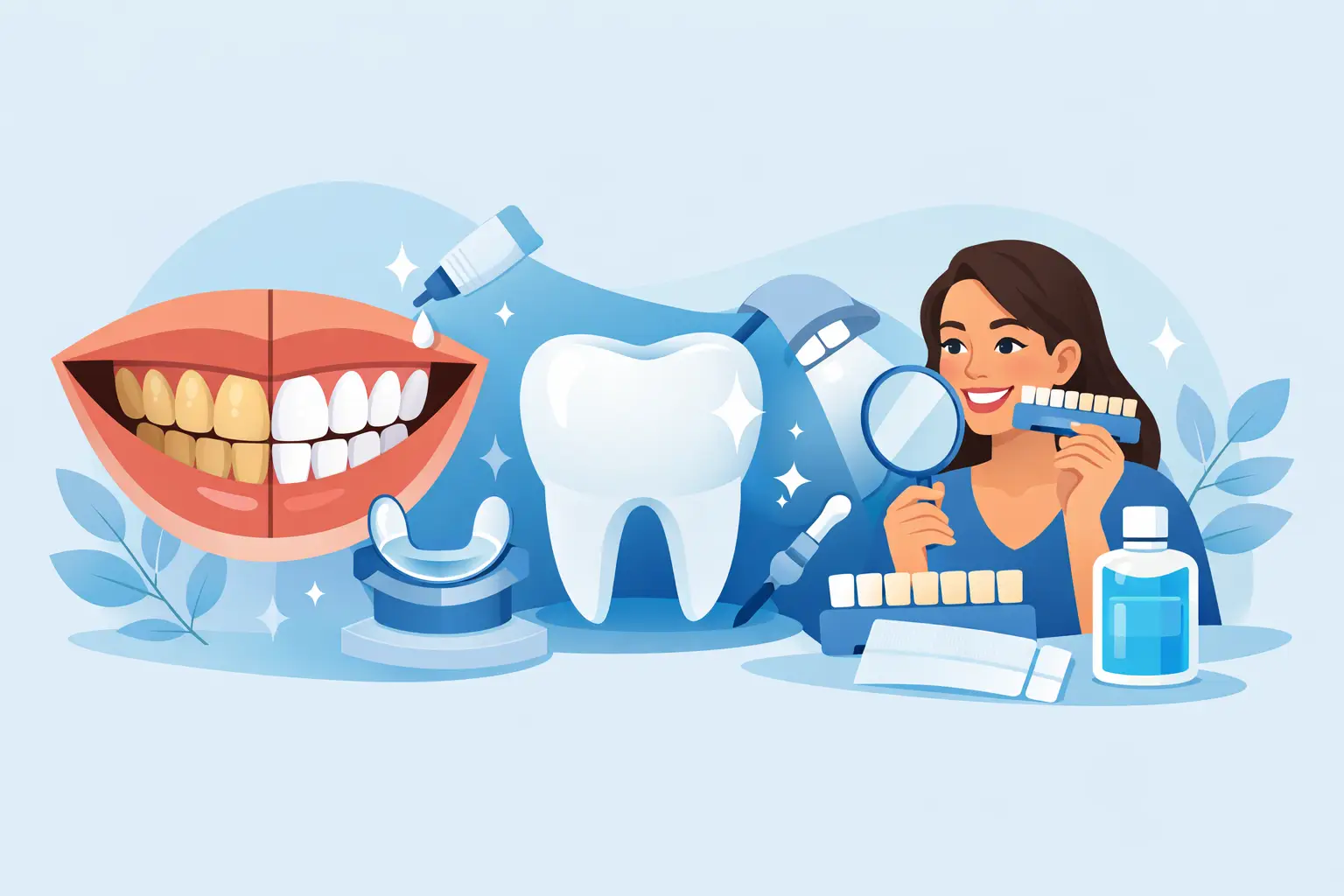
A bright smile can make you feel more at ease in a meeting, family photo, or conversation. But when coffee, tea, red wine, tobacco, aging, or certain medications leave visible discoloration, it can be hard to know what will actually help. The best options for stained teeth depend on where the stain comes from, how deep it is, and the overall health of your teeth and gums.
A whitening product that works well for one person may produce uneven results for another. The safest first step is a dental evaluation. Your dentist can distinguish surface stains from internal discoloration, check for cavities or gum inflammation, and recommend an approach that improves your smile without causing unnecessary sensitivity or damage.
Why teeth become stained
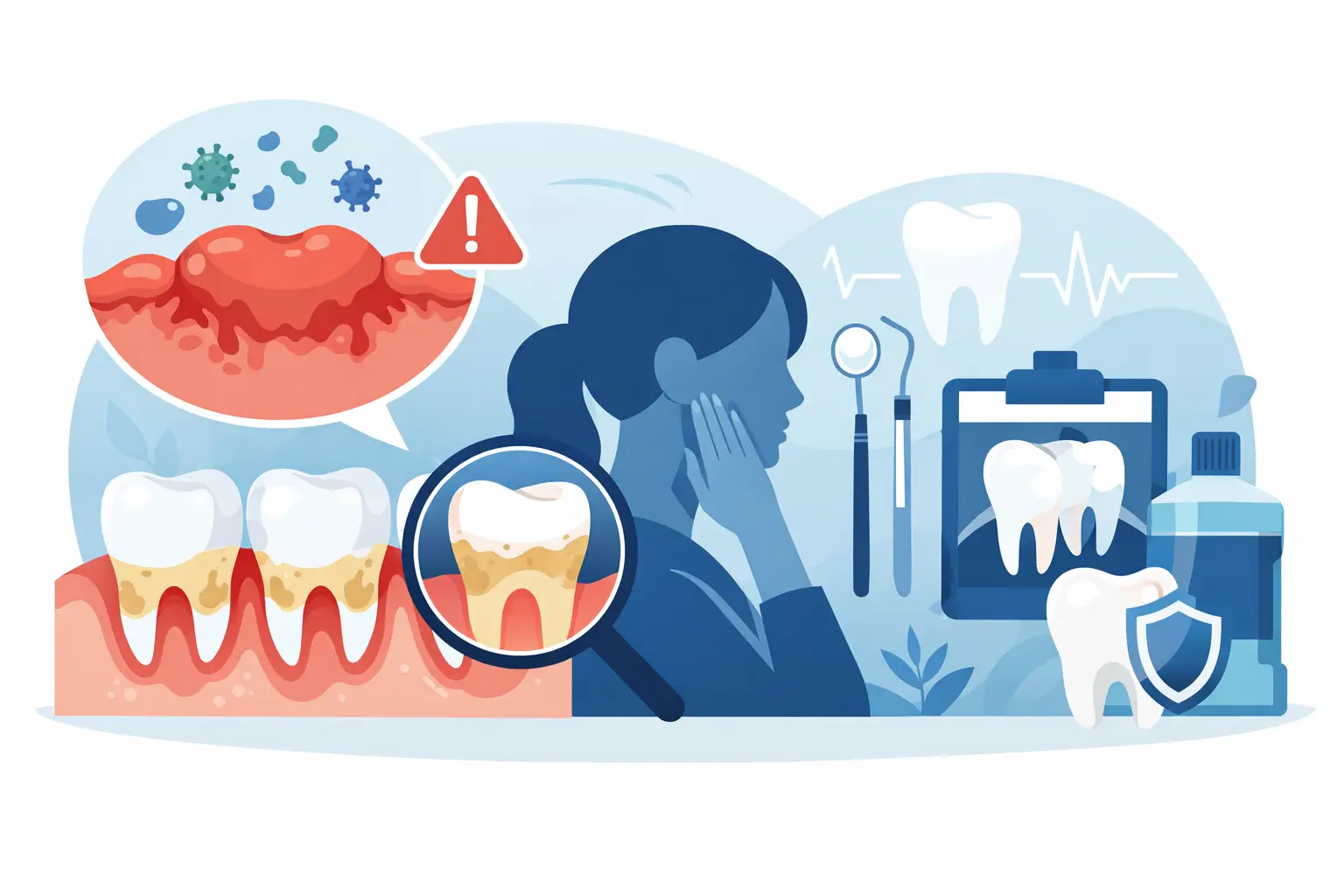
Most staining falls into two categories: extrinsic and intrinsic. Extrinsic stains are on the outer enamel surface. They commonly develop from dark beverages, richly colored foods, tobacco, and inadequate plaque removal. These stains often respond well to professional cleaning and whitening.
Intrinsic stains are located within the tooth structure. They may result from trauma, tooth decay, aging, certain medications, excessive fluoride exposure during tooth development, or a root canal-treated tooth that has darkened over time. Because these stains are deeper, standard whitening may not be enough. A personalized cosmetic or restorative solution may be a better fit.
It also matters whether the color change affects all of your teeth or just one. A single gray, brown, or dark tooth deserves prompt attention. It can be a cosmetic concern, but it may also signal a problem inside the tooth that needs treatment.
Best options for stained teeth, based on the cause
Professional dental cleaning for surface buildup
Sometimes teeth look yellow or dull because of tartar, plaque, and surface stains rather than their natural tooth color. A professional hygiene appointment removes buildup that brushing alone cannot remove. For many patients, this creates a noticeably fresher, brighter appearance before any cosmetic treatment is needed.
Cleaning will not change the natural shade of enamel or whiten deep stains. Still, it is an essential starting point. Whitening works more predictably on clean, healthy teeth, and your dental team can identify areas that may need extra care before moving forward.
Professional teeth whitening for overall discoloration
Professional whitening is often the most effective choice for healthy teeth with general yellowing or staining from food, drinks, and aging. Dental whitening uses proven whitening agents at strengths and with safeguards that are not available in many over-the-counter products.
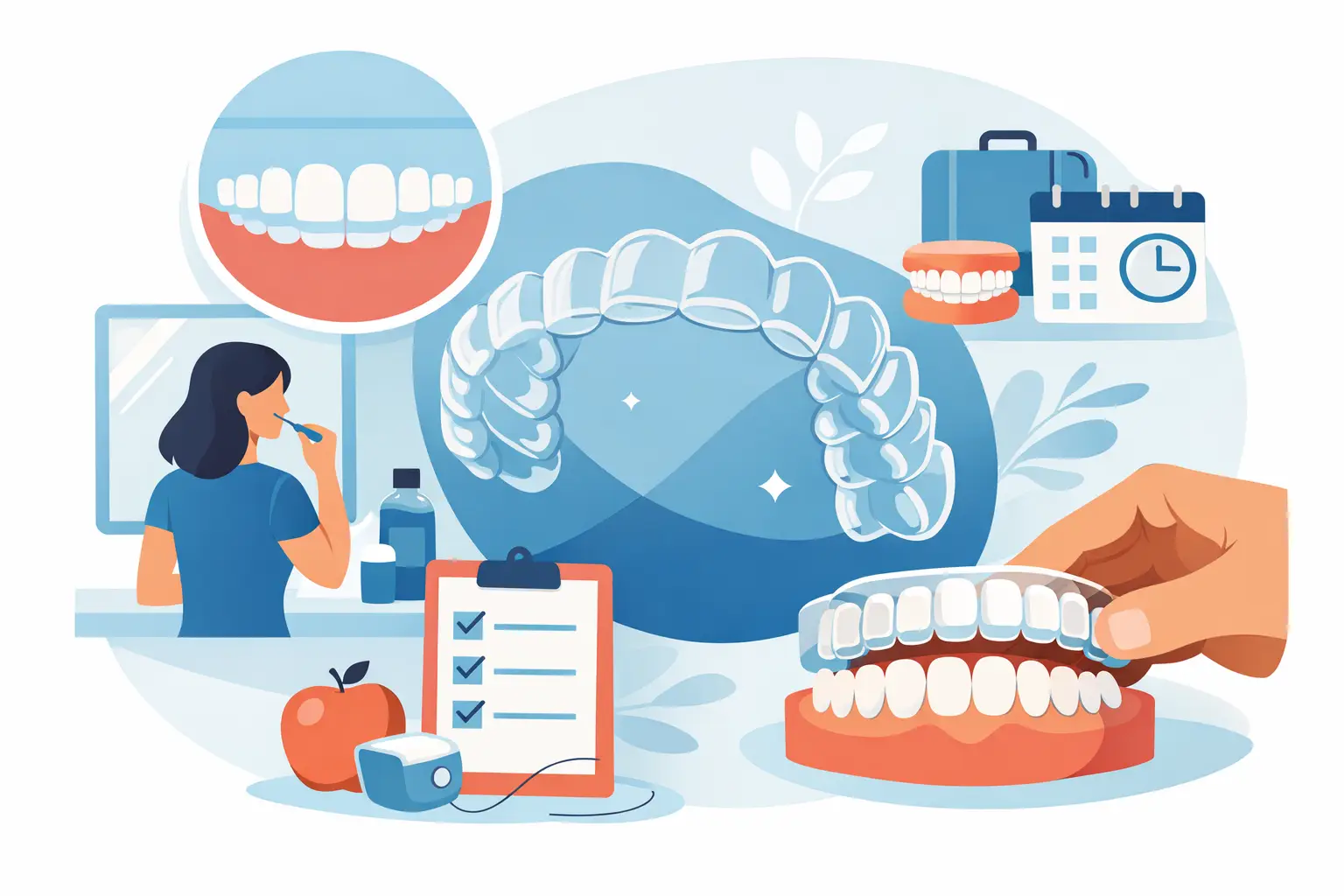
Depending on your needs, treatment may involve an in-office visit, custom take-home trays, or a combination of both. In-office whitening can provide a more immediate change, which appeals to patients preparing for a wedding, graduation, interview, or other important event. Custom trays offer more flexibility and can gradually brighten your smile on your schedule.
Whitening has limits. It does not change the color of crowns, veneers, fillings, or bonding. It may also cause temporary tooth sensitivity, especially for people who already react to cold foods or drinks. A dentist can adjust the treatment plan, recommend a gentler schedule, and help protect your comfort throughout the process.
Custom trays versus store-bought whitening products
Whitening strips, pens, and toothpaste are widely available, and they can be useful for mild surface discoloration. Whitening toothpaste is primarily designed to polish away some external stains. It does not substantially bleach the tooth from within, and overly abrasive products can wear down enamel if used too aggressively.
Store-bought strips may lighten teeth for some people, but they are one-size-fits-all. They can miss areas near the gumline, shift during use, or irritate the gums. Custom trays are made to fit your teeth more precisely, helping the whitening gel stay where it belongs and creating a more even result.
The trade-off is straightforward: over-the-counter options may cost less at the start, while professional guidance offers greater control, stronger results, and a plan tailored to your dental health. If you have restorations, gum recession, cavities, or a history of sensitivity, professional advice is especially valuable.
Dental bonding for a few discolored areas
Dental bonding can be a practical option when discoloration is limited to one tooth or a small area. Your dentist applies a tooth-colored resin and shapes it to blend with your surrounding teeth. Bonding can also improve minor chips, worn edges, and small gaps at the same time.
This treatment is generally conservative and can often be completed efficiently. However, bonding material can stain over time, particularly with frequent coffee, tea, or tobacco use. It may need polishing, repair, or replacement in the future. It is best suited for targeted cosmetic improvement rather than whitening an entire smile.
Veneers for deep or stubborn discoloration
Porcelain veneers are thin, custom-made shells placed on the front surfaces of teeth. They can cover deep stains that do not respond well to whitening, including discoloration caused by medication, trauma, or uneven enamel color. Veneers can also address concerns such as uneven shape, spacing, and mild alignment issues.
Veneers are a more significant investment than whitening, and they require careful planning. A small amount of enamel may need to be adjusted to create a natural fit, making the process different from a temporary whitening treatment. In return, patients can achieve a durable, highly customized smile with porcelain that resists staining better than natural enamel.
The right candidates have healthy gums, stable teeth, and realistic goals. If you grind or clench your teeth, your dentist may recommend a protective nightguard to help safeguard your veneers.
Crowns for teeth that need strength as well as color correction
When a tooth is darkened and also weakened by a large filling, fracture, decay, or root canal treatment, a dental crown may be the better solution. A crown covers the entire visible portion of the tooth, restoring its appearance while adding protection and function.
Unlike whitening, a crown is restorative care. It should not be chosen only because a tooth is discolored if the tooth is otherwise healthy. But when function and appearance both need attention, a well-designed crown can blend naturally with your smile and help preserve the tooth for years to come.
What to do before whitening stained teeth
Before starting any whitening routine, have your teeth and gums examined. Whitening is not a treatment for cavities, gum disease, or tooth pain. Applying whitening products to a tooth with untreated decay or exposed root surfaces can increase sensitivity and delay the care you need.
It is also helpful to plan the order of cosmetic work. If you expect to replace a visible crown or filling, whitening your natural teeth first may allow the new restoration to be matched to your brighter shade. Your dentist can help you avoid spending money on treatment that later looks mismatched.
At Finesse Family Dental, patients can discuss whitening alongside preventive, restorative, and cosmetic needs in one comfortable setting. That broader view helps ensure that a brighter smile also supports long-term oral health.
Keeping your results looking brighter
No treatment can completely prevent future staining, but daily habits make a meaningful difference. Brush twice a day with fluoride toothpaste, clean between teeth daily, and keep regular hygiene visits. After coffee, tea, or red wine, drinking water can help rinse away pigments before they settle on the enamel.
You do not have to give up every food or drink you enjoy. Moderation, consistent home care, and occasional touch-up whitening when recommended can help maintain your results. Avoid tobacco products whenever possible, since they can stain teeth quickly and affect gum health as well.
A smile that looks brighter should still look like you. The most successful treatment is not always the strongest or fastest one, but the option that addresses the real cause of staining, respects your comfort, and gives you a result you feel good about sharing.