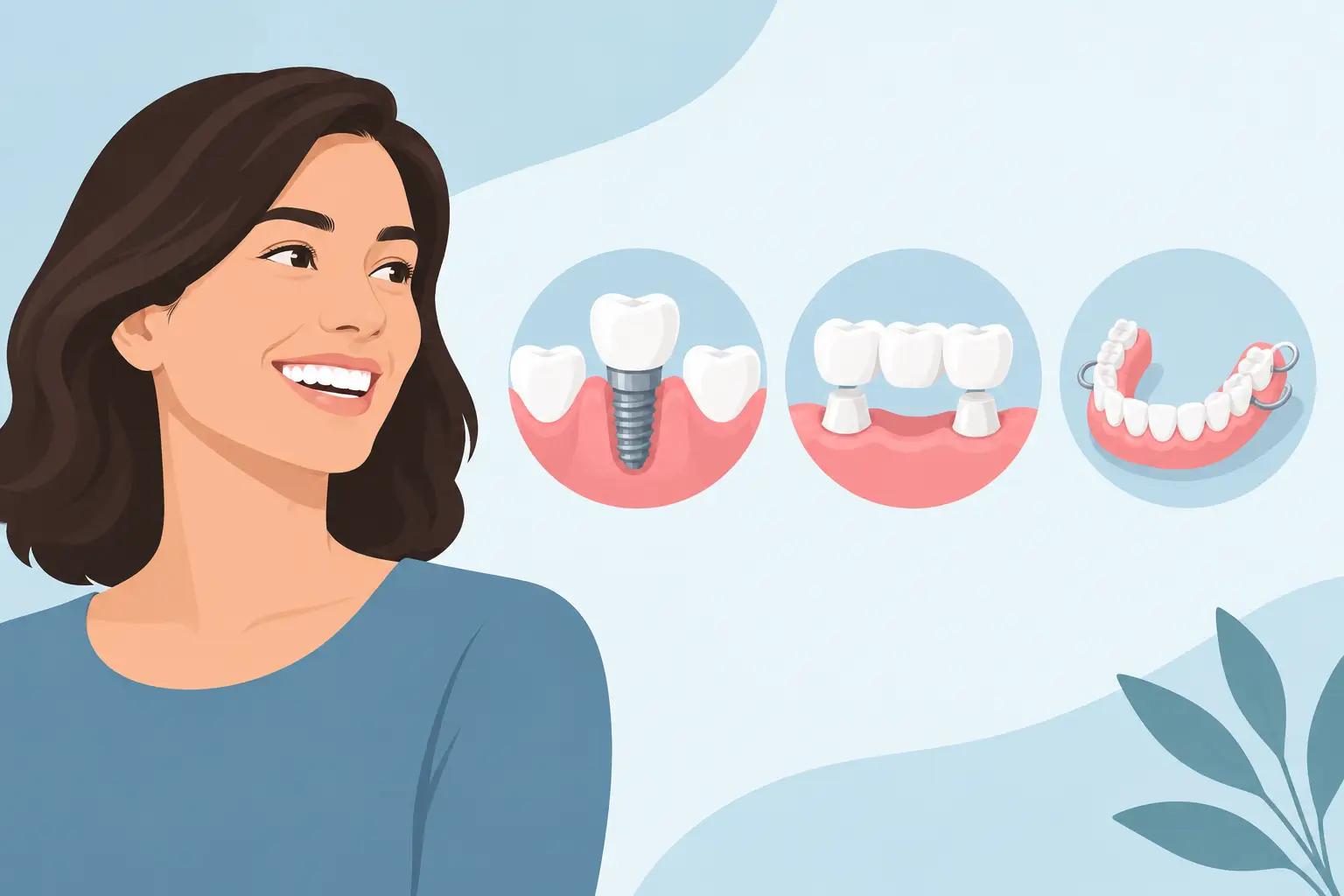
A dental appointment can feel much bigger than an appointment when you have had a painful experience, felt rushed in a chair, or simply worry about the unknown. Learning how to overcome dental anxiety starts with recognizing that your reaction is real – and that you deserve care that respects it. You do not have to force yourself to “get over it” before seeing a dentist. The right plan and the right dental team can make each visit feel more manageable.
Why dental anxiety is so common
Dental anxiety affects people of all ages, including patients who brush, floss, and care deeply about their health. Sometimes the fear comes from a difficult childhood visit, a strong gag reflex, concern about needles, or sensitivity to sounds and sensations. For others, embarrassment about the condition of their teeth makes it hard to schedule an appointment.
Avoiding care can create a frustrating cycle. A small cavity, sore gum area, or chipped tooth may become more complicated over time, which can make the next appointment seem even more intimidating. The goal is not perfection. It is taking one comfortable, informed step toward protecting your health.
Tell your dental team what makes you nervous
The most useful thing you can do before an appointment is be direct about your anxiety. Let the office know when you schedule, and remind the team when you arrive. You do not need to explain every detail if you are not ready. A simple statement such as, “I am very nervous about dental treatment and need things explained as we go,” gives your team important information.
Be specific if you can. You may be most concerned about injections, feeling numb, hearing the handpiece, sitting back in the chair, or not knowing how long treatment will take. Each concern calls for a slightly different approach. For example, a patient who dislikes surprises may want a clear explanation before each step, while someone who feels overwhelmed by details may prefer a brief overview and simple check-ins.
A caring dental office will not treat your anxiety as an inconvenience. It should shape the pace of your visit, the way information is shared, and the comfort options discussed with you.
Agree on a stop signal
It helps to have a clear way to pause treatment. Many patients use a raised hand as a stop signal. This gives you a sense of control because you know you can ask a question, swallow, adjust your position, or take a breath at any time.
A pause does not mean you are failing or making treatment difficult. It is a normal part of patient-centered care. In fact, short breaks can help you reset and make it easier to continue.
Choose a first visit with a low-pressure goal
If it has been years since your last dental appointment, do not assume the first visit must include every possible procedure. Often, the best starting point is an exam, X-rays when needed, and a conversation about your goals and concerns. This gives the dentist a chance to understand your oral health and lets you experience the office without committing to treatment that day.
For some patients, a cleaning is a comfortable next step. For others, especially if there is gum tenderness or a more involved concern, the dentist may recommend a customized sequence of care. There is no one right pace. What matters is having a plan that addresses urgent needs while respecting your comfort level.
At Finesse Family Dental, patients can discuss preventive, restorative, cosmetic, and more advanced needs in one familiar office. That continuity can be reassuring when you would rather not repeat your history and concerns to a new provider for every stage of treatment.
Use simple techniques to calm your body
Anxiety can make your heart race, tighten your muscles, and make ordinary sensations feel stronger. Calming your body does not erase fear instantly, but it can lower the intensity enough to help you stay present.
Try slow breathing before and during the appointment. Breathe in gently through your nose for a count of four, then exhale slowly for a count of six. A longer exhale tells your nervous system that you are safe. If counting feels distracting, simply focus on making each exhale slower than the inhale.
Plan a few practical comforts as well. Wear comfortable clothing, arrive early enough that you are not rushing, and bring headphones if the office allows them. Listening to familiar music, a calming podcast, or an audiobook can soften the sounds that some patients find stressful.
Avoid loading up on caffeine right before your visit if it tends to make you jittery. Eating a light meal beforehand can also help, unless you have been given instructions not to eat because of planned sedation or another medical reason.
Ask how modern dentistry can improve comfort
Many adults carry memories of dentistry that do not reflect current techniques, materials, or technology. Modern dental care is designed to be more precise and more comfortable, from digital imaging that supports careful planning to gentler approaches for gum care and restorative treatment.
Local anesthesia remains an important tool for procedures such as fillings, crowns, root canals, and extractions. Tell your dentist if you have ever had trouble getting numb or if you are worried about injections. Your dentist can explain how numbing is delivered, check that you are comfortable before beginning, and make adjustments when appropriate.
For patients with significant anxiety, sedation options may be worth discussing. The best choice depends on your medical history, the type of procedure, your anxiety level, and whether someone can drive you home. Sedation is not necessary for every nervous patient, and it is not a substitute for communication. Still, it can be a helpful option for longer treatment visits, surgical procedures, or patients who have delayed needed care because fear feels overwhelming.
Build trust one appointment at a time
Trust is usually not created in a single conversation. It grows when your dentist listens, follows through, and helps you complete care without feeling judged. Start with a goal that matters to you: relieving a toothache, getting through a cleaning, improving gum health, or finally asking about the smile changes you have been considering.
After each appointment, take a moment to notice what went better than expected. Perhaps the numbing was easier than you feared, the appointment was shorter than expected, or you felt comfortable asking for a break. These experiences are evidence that future visits may be different from the ones you have been imagining.
It is also okay to seek a second opinion or change providers if you consistently feel dismissed, rushed, or ashamed. Gentle dentistry is not only about a soft touch. It includes clear answers, respect for your preferences, and a team that treats you like a person rather than a procedure.
When anxiety needs extra support
For some people, dental anxiety is tied to a broader anxiety disorder, trauma history, panic attacks, or a severe phobia. If fear is preventing you from making an appointment at all, talking with a mental health professional can be a valuable part of your care. Cognitive behavioral therapy, relaxation training, and other support can help you build skills that carry into many areas of life, not just the dental chair.
You can also ask a trusted friend or family member to help with the first step. They might sit with you while you call, drive you to the office, or wait nearby during your appointment. That support can make scheduling feel less daunting.
The next visit does not have to be a test of bravery. It can simply be a conversation, a checkup, or one small step toward a healthier, more comfortable smile. When you choose a team that listens and a pace that works for you, dental care can become something you handle with growing confidence.