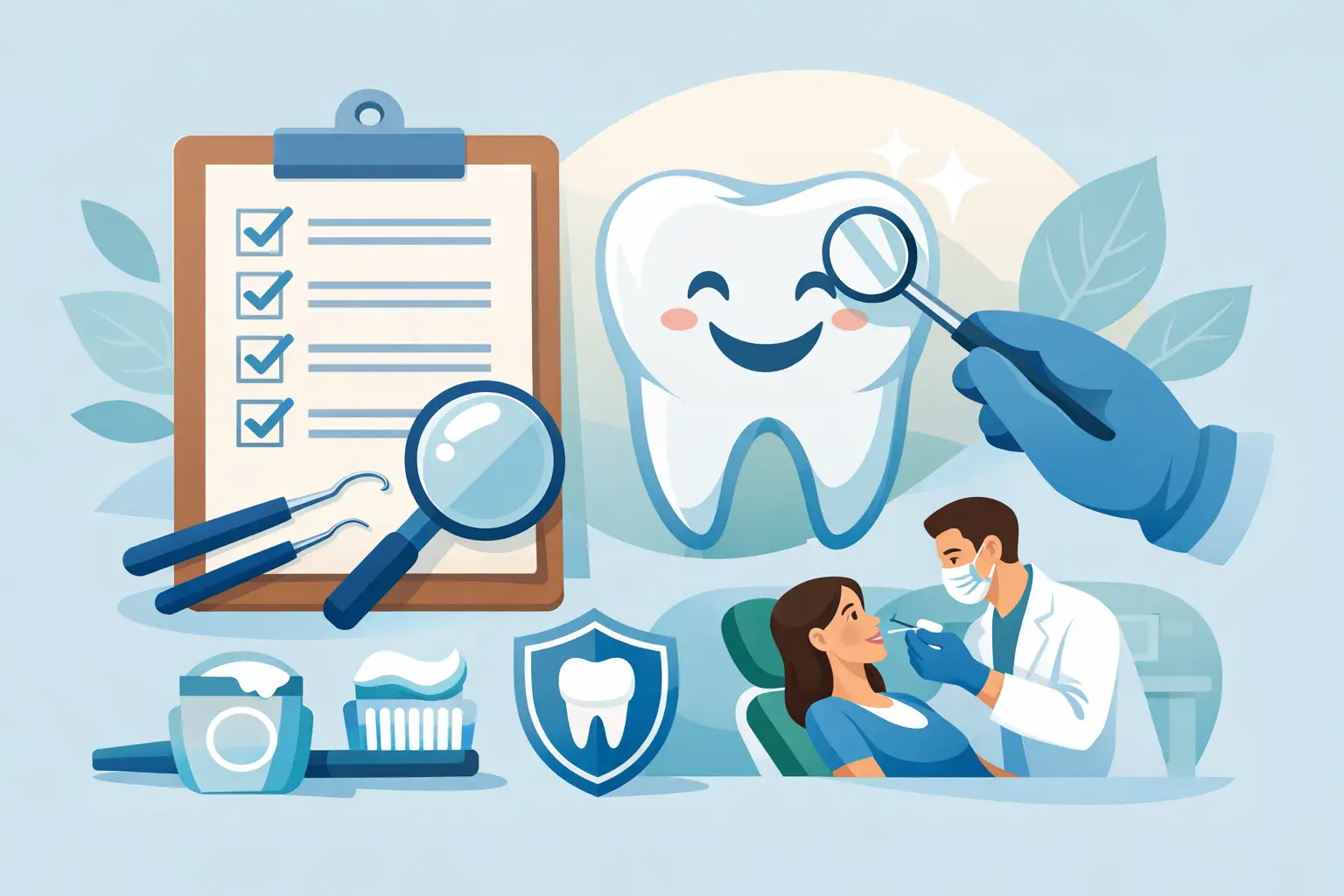
A dental visit feels much easier when you know what will happen before you sit in the chair. This routine dental exam checklist helps Fremont families and busy professionals prepare for preventive care, understand each part of the appointment, and speak up about concerns before they become more complicated problems.
What to do before a routine dental exam
Start with the practical details. Bring your photo ID, insurance information, and a current list of medications or supplements. Even medications unrelated to your teeth can affect dry mouth, gum health, bleeding, or the way your dentist plans treatment. If your health history has changed since your last visit, mention new diagnoses, surgeries, allergies, pregnancy, or changes to your medications.
Try to arrive a few minutes early, especially if it has been a while since your last appointment or you are visiting a new office. This gives the team time to update paperwork without making you feel rushed. If dental appointments make you nervous, say so when scheduling and again when you arrive. A caring dental team can explain each step, offer breaks, and help you feel more in control.
You do not need to avoid brushing before your visit. Brush and floss as usual, but do not feel embarrassed if you have missed a few days or are concerned about bad breath. Dental professionals are there to help, not to judge. An honest conversation is much more useful than trying to hide a problem.
Your routine dental exam checklist at the appointment
A routine appointment usually includes a professional cleaning and a clinical exam, although the timing can vary based on your needs. Patients with active gum disease, a history of frequent cavities, orthodontic treatment, or certain medical conditions may need more frequent hygiene visits. Others may be on a standard preventive schedule recommended by their dentist.
Review your health and dental concerns
Your appointment should begin with a chance to discuss what has changed. Tell the team about tooth sensitivity, pain when chewing, bleeding gums, jaw clicking, headaches, dry mouth, sores that do not heal, or changes in the way your teeth fit together. Small details matter. Sensitivity to cold may be minor, but it can also point to a cavity, a worn filling, gum recession, or a cracked tooth.
This is also a good time to discuss appearance goals. If you have been thinking about whitening, straightening, replacing an older restoration, or improving the shape of a tooth, mention it. Preventive visits are often the best time to discuss cosmetic options because your dentist can explain what is appropriate for your oral health and timeline.
Professional cleaning and gum assessment
During a hygiene visit, plaque and hardened tartar are removed from areas that brushing and flossing cannot fully reach. Your hygienist may also measure the space between your teeth and gums. These measurements help identify early gum inflammation and monitor signs of periodontal disease.
Healthy gums should not routinely bleed when you brush or floss. Bleeding can happen from brushing too aggressively, but it is commonly a sign of inflammation caused by plaque buildup. If measurements are deeper than expected or there is evidence of infection, your dental team may recommend periodontal treatment rather than a standard cleaning. This is not a reason to panic. It is a chance to address gum health before bone loss and tooth mobility progress.
Examination of teeth, gums, bite, and soft tissues
Your dentist will examine your teeth for decay, cracks, worn enamel, loose fillings, and signs of stress from grinding or clenching. They will also evaluate your bite, jaw joints, tongue, cheeks, lips, and the tissues in your mouth. An oral cancer screening is a valuable part of this process, particularly when you have persistent sores, tobacco use, heavy alcohol use, or unexplained changes in your mouth.
A careful exam is about more than finding cavities. Your dentist is looking at how your mouth functions as a whole. A chipped tooth may be a simple accident, for example, or it may be evidence that your bite is placing too much force on one area.
X-rays when they are clinically needed
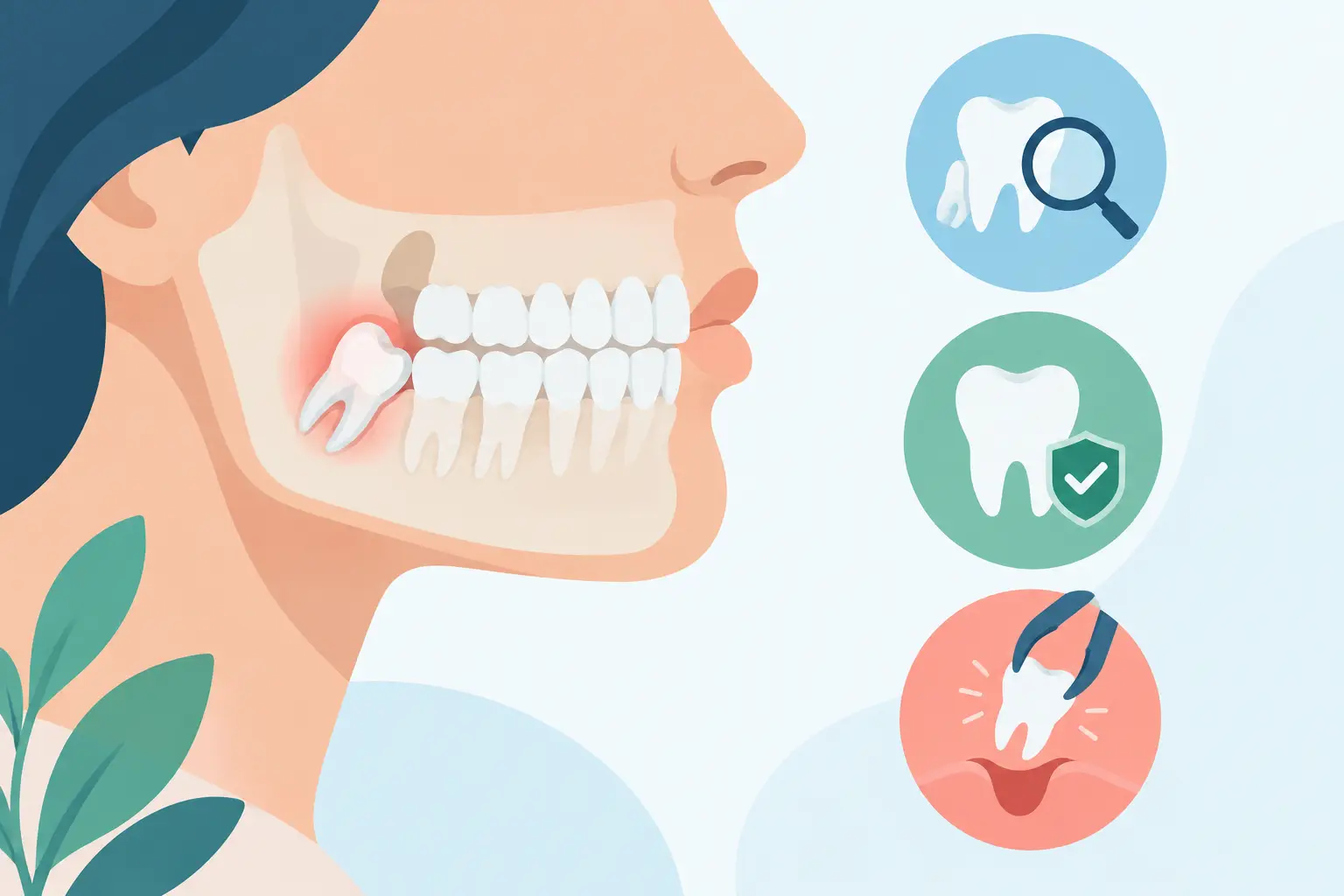
Dental X-rays can reveal concerns that are not visible during a visual exam, including decay between teeth, infection near tooth roots, bone changes, impacted teeth, and problems beneath existing crowns or fillings. They are not necessarily needed at every appointment. The right interval depends on your cavity risk, existing dental work, symptoms, and recent X-ray history.
If X-rays are recommended, it is reasonable to ask why they are needed and what they may show. Modern digital imaging uses low radiation, and your dental team should tailor diagnostic care to your individual situation rather than treating every patient exactly the same.
Questions worth asking before you leave
A preventive appointment should leave you with a clear picture of your oral health. If your dentist identifies an issue, ask what it means now, what could happen if you wait, and what treatment options are available. Some concerns need prompt care, while others can be monitored safely for a period of time.
Ask whether a filling, crown, gum treatment, night guard, or other recommendation is urgent, elective, or preventive. Understanding the timing helps you make decisions with confidence, especially when you are balancing treatment needs with work, family schedules, and insurance benefits.
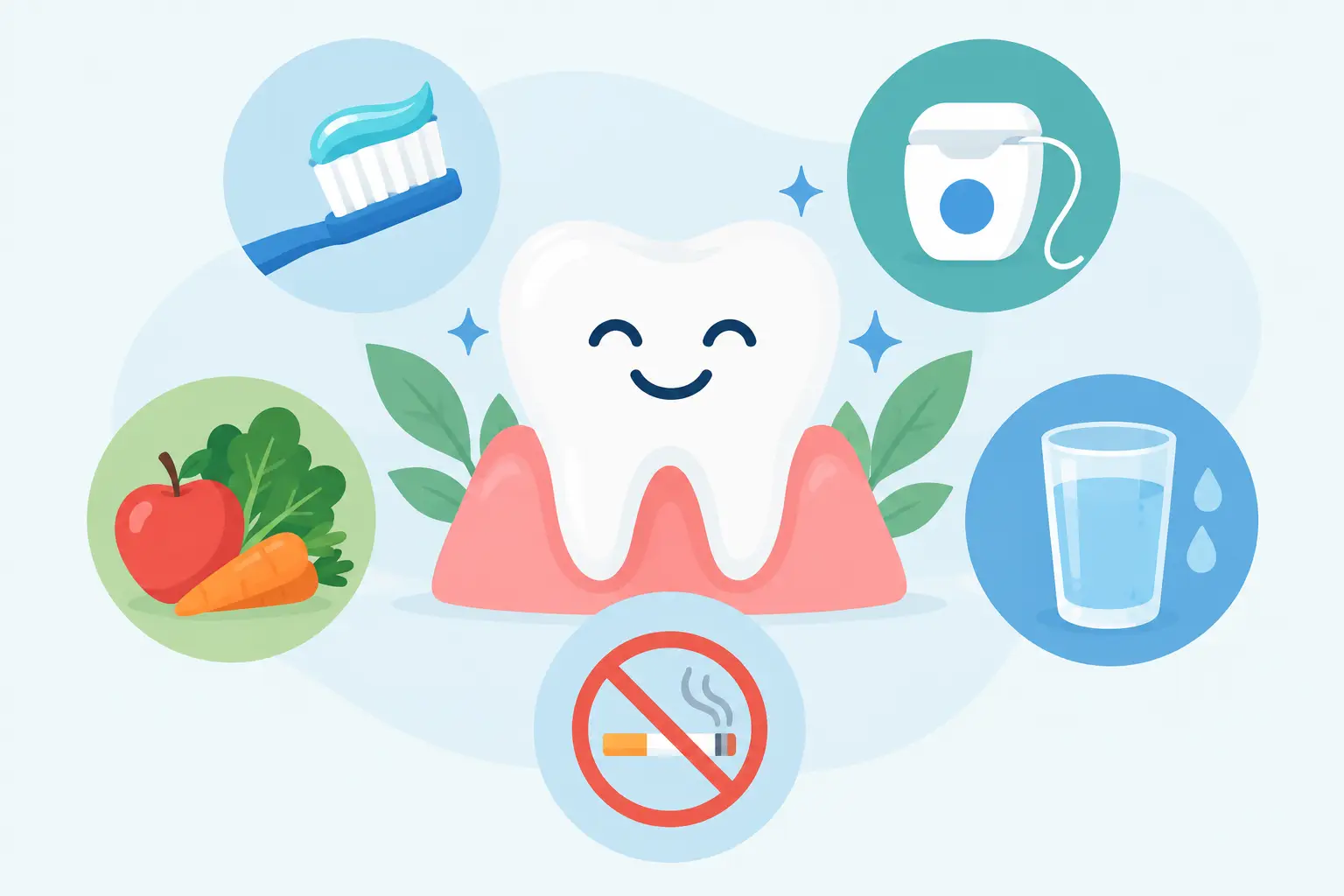
It can also help to ask for personalized home-care guidance. The best toothbrush, toothpaste, flossing method, or rinse depends on your mouth. A patient with braces, implants, sensitive teeth, gum recession, or dry mouth may need a different approach than someone with low cavity risk and healthy gums.
What your dentist may recommend next
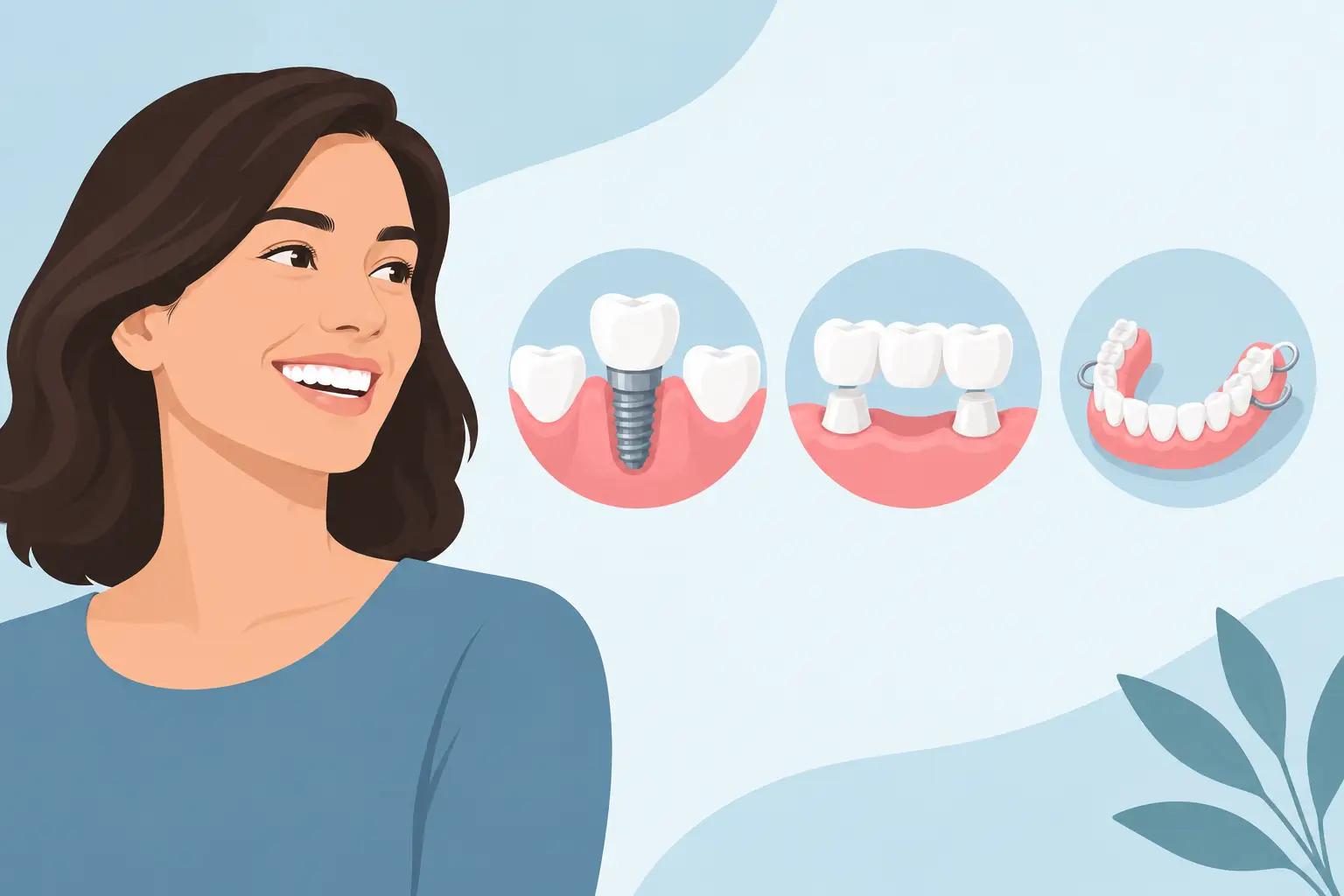
Not every finding requires major treatment. Early enamel changes may be managed with improved home care, fluoride, diet adjustments, or monitoring. A small cavity may need a filling, while a larger tooth with extensive damage may be better protected with an inlay or crown. The most conservative option is not always the least expensive option in the long run, and the most extensive option is not always necessary.
When treatment is recommended, a good plan should explain the purpose, expected result, alternatives, cost considerations, and timing. At Finesse Family Dental, patients can discuss preventive, restorative, periodontal, and cosmetic needs in one comfortable setting, making it easier to coordinate care around the priorities that matter most to them.
Routine dental exam checklist for families
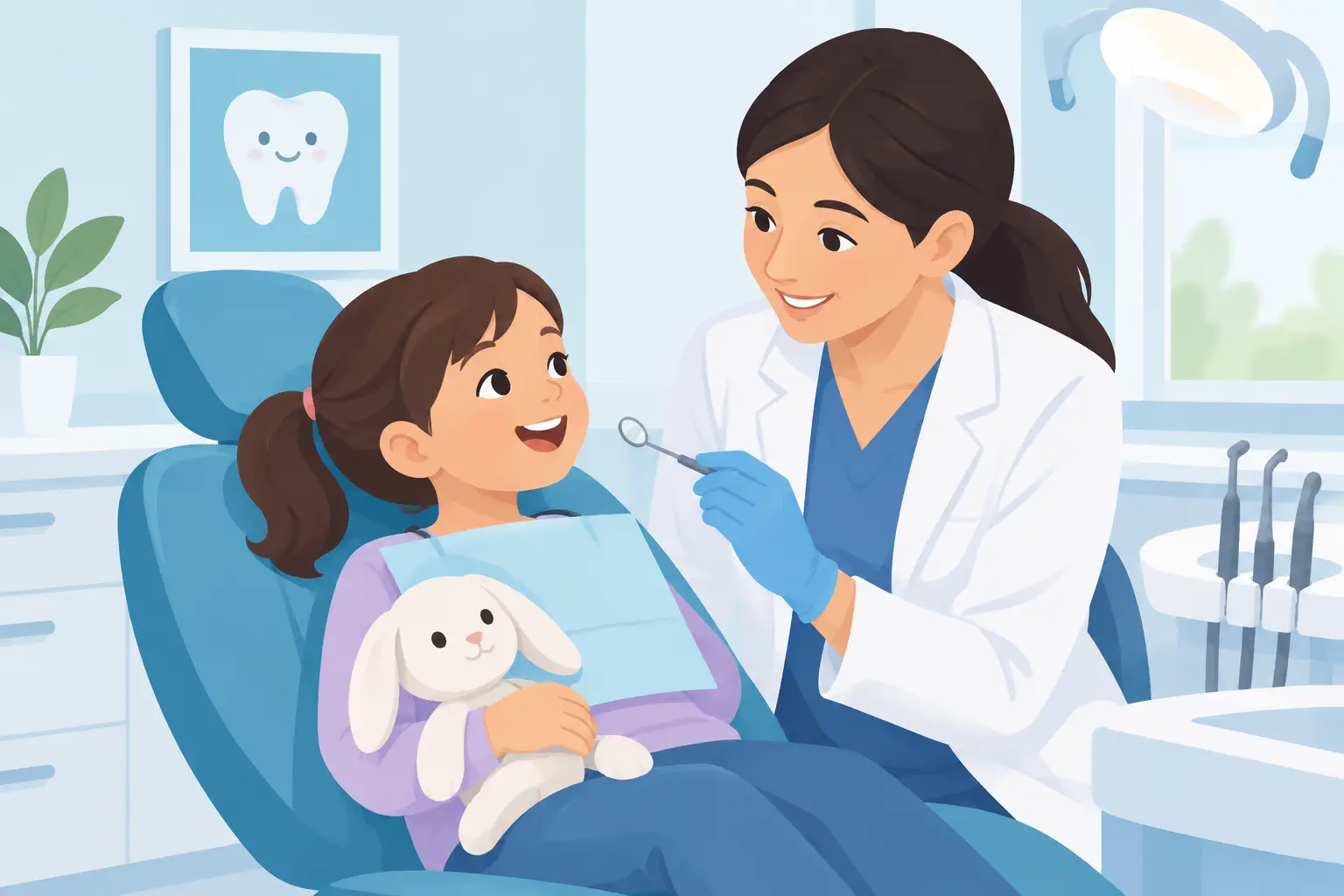
For parents, the checklist also includes setting the tone for children. Avoid telling a child that a dental visit will hurt or using a dental appointment as a threat. Simple, positive language works better: the dentist will count their teeth, clean their smile, and make sure everything is growing well.
Bring a list of any concerns you have noticed, such as thumb-sucking, mouth breathing, teeth grinding, difficulty chewing, delayed tooth eruption, or sensitivity. Pediatric visits are a valuable time to discuss cavity prevention, brushing habits, fluoride needs, and orthodontic development. Early conversations can help families make thoughtful choices before an issue becomes more difficult to manage.
For teens and adults, be sure to mention sports participation, nighttime grinding, tobacco or vaping use, and changes in eating habits. These factors can affect enamel, gums, and overall treatment planning.
Do not wait for your next checkup if you notice these signs
Routine care is the foundation of a healthy smile, but certain symptoms deserve a call sooner. Contact your dentist if you have severe or persistent tooth pain, facial swelling, a knocked-out or broken tooth, bleeding that will not stop, a loose adult tooth, or a sore that has not healed after two weeks.
You should also schedule an earlier visit for recurring sensitivity, a bad taste in your mouth, gum swelling, sudden changes in your bite, or a crown or filling that feels loose. Prompt attention can often mean a simpler, more comfortable treatment.
A routine exam is not about passing or failing a test. It is a practical opportunity to protect your health, ask questions without pressure, and leave with a plan that fits your smile. If something has felt different lately, trusting that instinct and scheduling a visit is a kind step you can take for yourself.