A missing tooth can change more than the look of your smile. It can make chewing less comfortable, affect the way you speak, and allow nearby teeth to gradually shift into the open space. Understanding how dental bridges work can help you decide whether this reliable restorative option fits your needs, goals, and lifestyle.
A dental bridge is designed to fill the gap left by one or more missing teeth. It is custom-made to look natural, feel comfortable, and help your bite function more normally again. For many Fremont-area patients, a bridge offers a practical balance of appearance, comfort, and efficient treatment.
How Dental Bridges Work
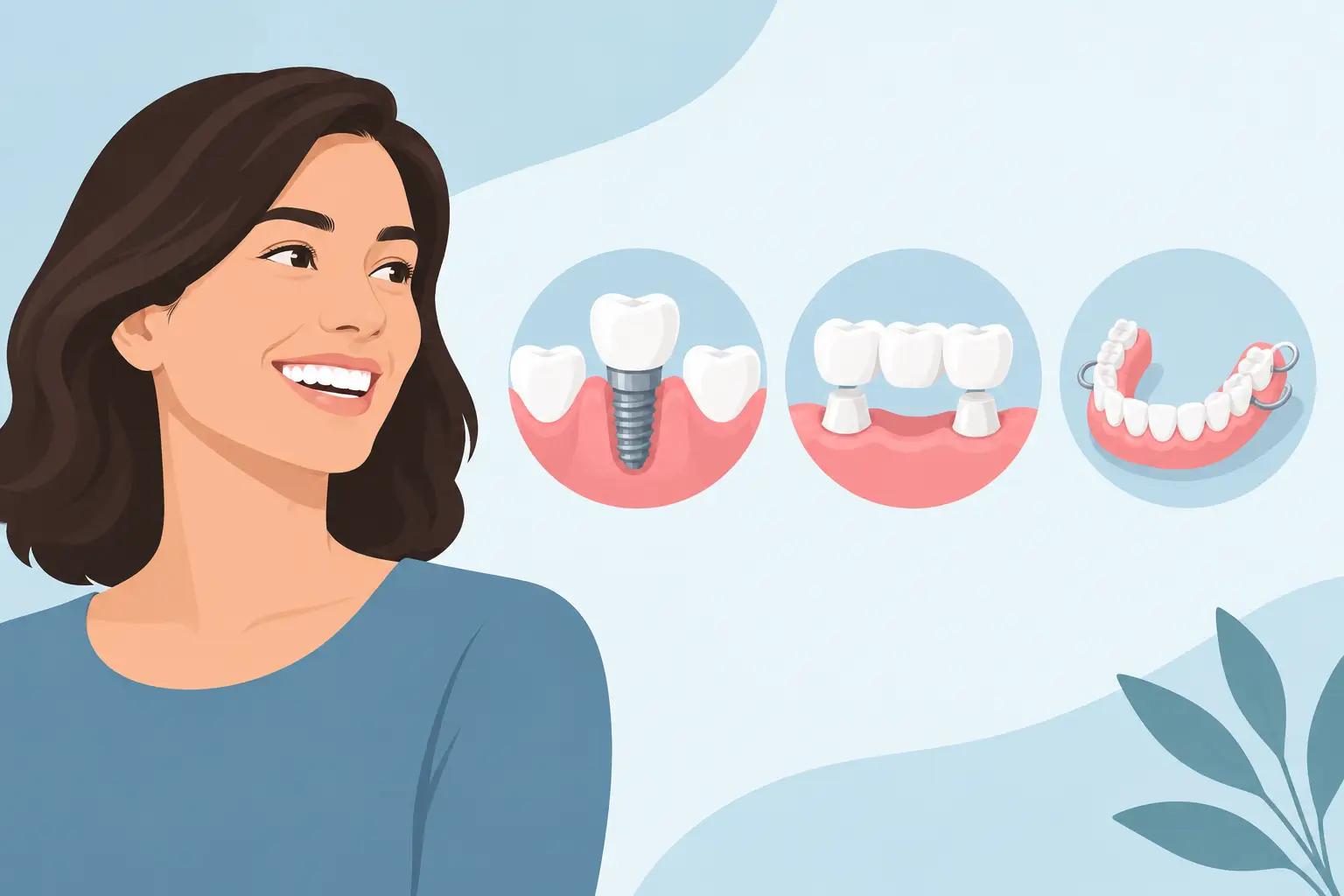
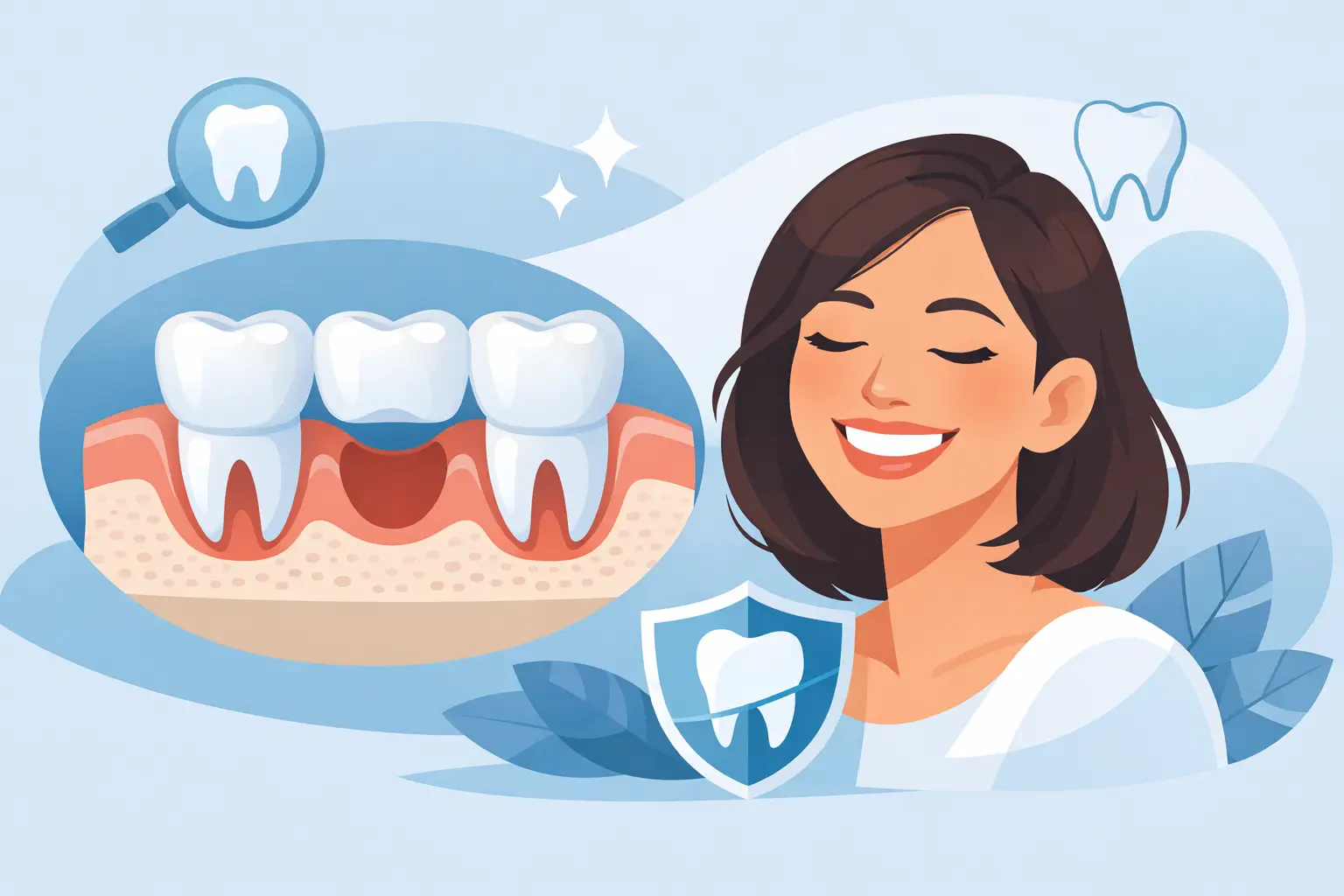
A traditional dental bridge consists of a replacement tooth, called a pontic, held in place by crowns attached to the teeth on either side of the gap. Those neighboring teeth are called abutment teeth. Together, the crowns and replacement tooth form one connected restoration that literally bridges the empty space.
For example, if you are missing one tooth between two healthy teeth, your dentist may place a crown on each neighboring tooth and connect them to a natural-looking replacement tooth in the middle. Once the bridge is bonded into place, it stays fixed in your mouth. You do not remove it for cleaning or sleeping, as you would with a removable partial denture.
A bridge can restore several important functions at once. It supports more even chewing, helps preserve the shape of your smile, and reduces the chance that adjacent teeth will drift or tip into the gap. It can also help distribute bite pressure more evenly, which may reduce strain on other teeth.
The right approach depends on where the missing tooth is located, the health of the surrounding teeth and gums, your bite, and whether dental implants are also an option. A thoughtful evaluation is the best starting point because replacing a front tooth can involve different cosmetic considerations than replacing a back tooth used for heavy chewing.
The Main Types of Dental Bridges
Not every bridge is designed the same way. Your dentist will recommend a solution based on the condition of your smile rather than using a one-size-fits-all approach.
Traditional bridges
Traditional bridges are the most common option. They use crowns on teeth located on both sides of a missing tooth or teeth. This design is often a strong, dependable choice when neighboring teeth already have large fillings, existing crowns, or a need for crown coverage.
Because the adjacent teeth must be shaped to support crowns, this option does require altering those teeth. When those teeth need restoration anyway, that trade-off can make good clinical sense. If the neighboring teeth are completely healthy and untouched, your dentist may discuss alternatives that preserve more natural tooth structure.
Cantilever bridges
A cantilever bridge is supported from one side rather than both sides. It may be considered when there is a suitable tooth next to the gap but no supporting tooth on the other side. Since it places more leverage on the supporting tooth, it is not appropriate for every area of the mouth, especially where chewing forces are strong.
Maryland bonded bridges
A Maryland bridge is often used to replace a front tooth. Instead of full crowns, it uses small wings bonded to the backs of neighboring teeth. This approach can be more conservative because it usually requires less tooth preparation.
However, bonded bridges may not be ideal for every bite or for teeth that handle significant chewing force. They can also be more likely to loosen than a traditional bridge in some situations. Careful planning helps determine whether this conservative option will be dependable for you.
Implant-supported bridges
An implant-supported bridge is secured to dental implants rather than natural teeth. Implants are placed in the jawbone and act as artificial tooth roots, allowing a bridge to replace multiple missing teeth without crowning healthy neighboring teeth.
This option can provide excellent stability and help preserve bone in the area of missing teeth. Treatment generally takes longer because implants need time to heal and integrate with the bone. It may also involve surgical treatment and a higher initial investment, but it can be an excellent long-term choice for the right patient.
What the Dental Bridge Process Looks Like
The process begins with an examination of your teeth, gums, bite, and jawbone. Digital imaging may be used to look beneath the surface and evaluate the supporting structures around the missing tooth. Your dentist will also talk with you about concerns that matter in daily life, such as appearance, comfort, treatment timing, and insurance coverage.
For a traditional bridge, the supporting teeth are gently prepared so the crowns can fit properly. Impressions or digital scans are then taken to create a bridge that matches your bite, tooth shape, and smile. A temporary bridge may be placed to protect the prepared teeth and maintain the space while the final restoration is being made.
At the final visit, the dentist checks the bridge carefully for fit, color, bite alignment, and comfort before securing it. Small bite adjustments are common and help ensure that your new bridge works naturally with the rest of your teeth. You may need a short period of adjustment as your tongue and bite become accustomed to the restoration, but the bridge should not cause ongoing pain.
If you are receiving an implant-supported bridge, the sequence is different. Implant placement comes first, followed by a healing period. Once the implants are stable and ready, the final bridge is designed and attached. Your dentist will explain the expected timeline clearly so you know what to anticipate at each stage.
Who Is a Good Candidate for a Bridge?
A dental bridge may be a good option if you are missing one or more teeth and have healthy supporting teeth or sufficient bone for implants. Healthy gums are equally important. Active gum disease should be treated before placing a bridge because the gums and bone provide the foundation for every restoration.
Bridges are often especially helpful for patients who want a fixed tooth replacement but are not ready for implant surgery, prefer a shorter treatment timeline, or have neighboring teeth that already need crowns. They can also be an effective way to replace a missing tooth before shifting creates bite problems that are more complicated to correct.
Still, a bridge is not automatically the best answer for every gap. If you grind your teeth, have uncontrolled gum disease, or have very weak supporting teeth, additional care may be needed first. A good dentist will explain the benefits and limits of each option instead of promising the same outcome for every patient.
How Long Does a Dental Bridge Last?
With consistent home care and regular dental visits, many bridges last 10 years or longer. Longevity depends on the bridge design, the materials used, bite forces, gum health, and daily hygiene habits. Some bridges last well beyond a decade, while others need repair or replacement sooner because of decay, wear, or changes in the supporting teeth.
The area where the bridge meets the natural teeth deserves special attention. Food and plaque can collect underneath the replacement tooth and around the crown edges. Brushing twice daily is essential, but a toothbrush alone cannot clean every area beneath a bridge.
Your dental team may recommend floss threaders, super floss, an interdental brush, or a water flosser to clean beneath the pontic. The right tool depends on the shape of your bridge and the spaces around it. Regular hygiene appointments are also important because professional cleanings help protect the gums and supporting teeth.
Avoid using your bridge to open packages, bite fingernails, or chew hard objects such as ice. If you clench or grind at night, a custom nightguard may help protect both your bridge and natural teeth from excess pressure.
Comfort, Appearance, and Everyday Confidence
Modern bridges can be made from materials selected for both strength and natural appearance. For visible areas, your dentist will consider shade, translucency, shape, and how the replacement tooth blends with your smile. For back teeth, durability and bite support are often the priority, though appearance still matters.
At Finesse Family Dental, bridge treatment is planned around the person behind the smile. That means discussing the health of your gums, your long-term goals, and the option that feels realistic for your schedule and budget. A well-designed bridge should not simply fill a space – it should help you eat, speak, and smile with greater ease.
If a missing tooth has been bothering you, there is value in having it evaluated sooner rather than later. A calm conversation and a personalized exam can give you a clear path forward, whether a dental bridge is the right choice now or another restoration better protects your smile for the years ahead.