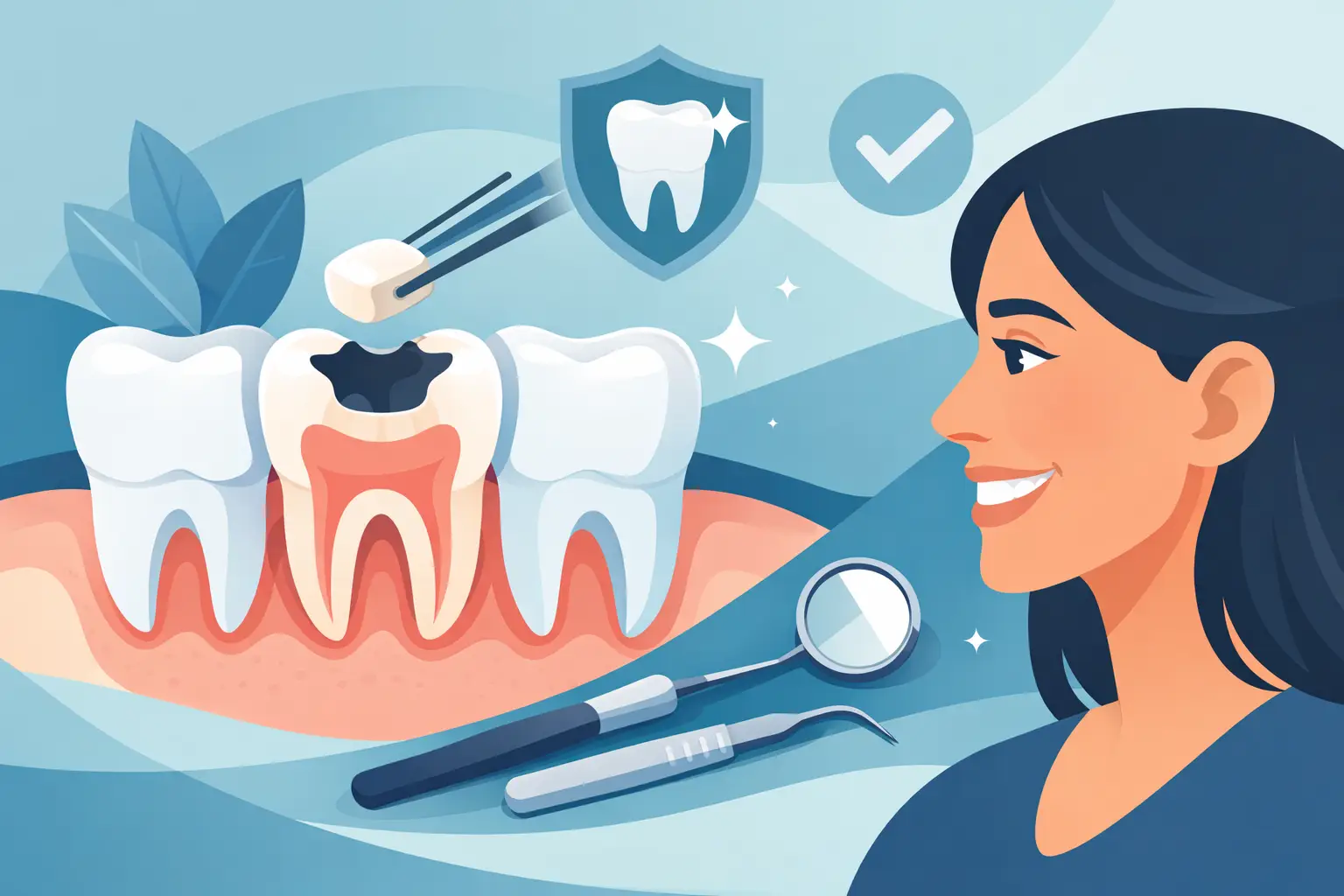
A back tooth can be too damaged for a small filling yet still healthy enough to avoid a full crown. That middle ground is where dental inlays can be an excellent solution. Understanding how dental inlays restore teeth can help you feel more confident when your dentist recommends one after finding decay, an old failing filling, or a small fracture.
An inlay is a precisely made restoration that fits inside the chewing surface of a tooth. It replaces the damaged portion while preserving as much healthy natural enamel as possible. For many patients, that means dependable function, a natural appearance, and less removal of tooth structure than a crown may require.
What Is a Dental Inlay?
Dental inlays are custom restorations used most often on molars and premolars. These teeth handle significant biting pressure every day, especially when chewing foods such as nuts, meat, crusty bread, and raw vegetables. When decay or a damaged filling affects the center area of one of these teeth, a standard filling may not always provide enough long-term support.
Unlike a direct filling, which is placed and shaped inside the mouth, an inlay is fabricated outside the mouth from a detailed impression or digital scan of your tooth. It is then carefully bonded into place. The restoration sits within the cusps, or pointed edges, of the tooth.
This distinction matters. If damage extends over one or more cusps, your dentist may recommend an onlay instead. An onlay covers a larger area and can reinforce weakened cusps. If the tooth has extensive damage, a crown may be the more appropriate choice because it covers the entire visible portion of the tooth.
How Dental Inlays Restore Teeth Without Covering Them Fully
The goal of an inlay is not simply to fill an empty space. It is to restore a tooth so it can handle normal chewing forces while maintaining a stable, comfortable bite.
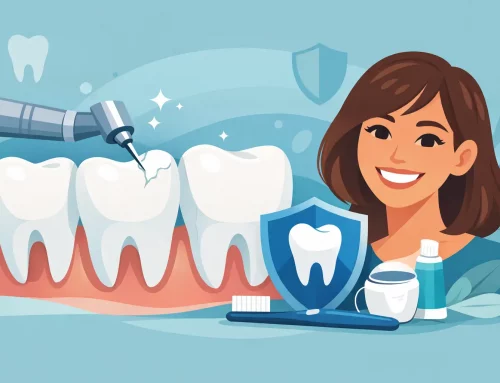
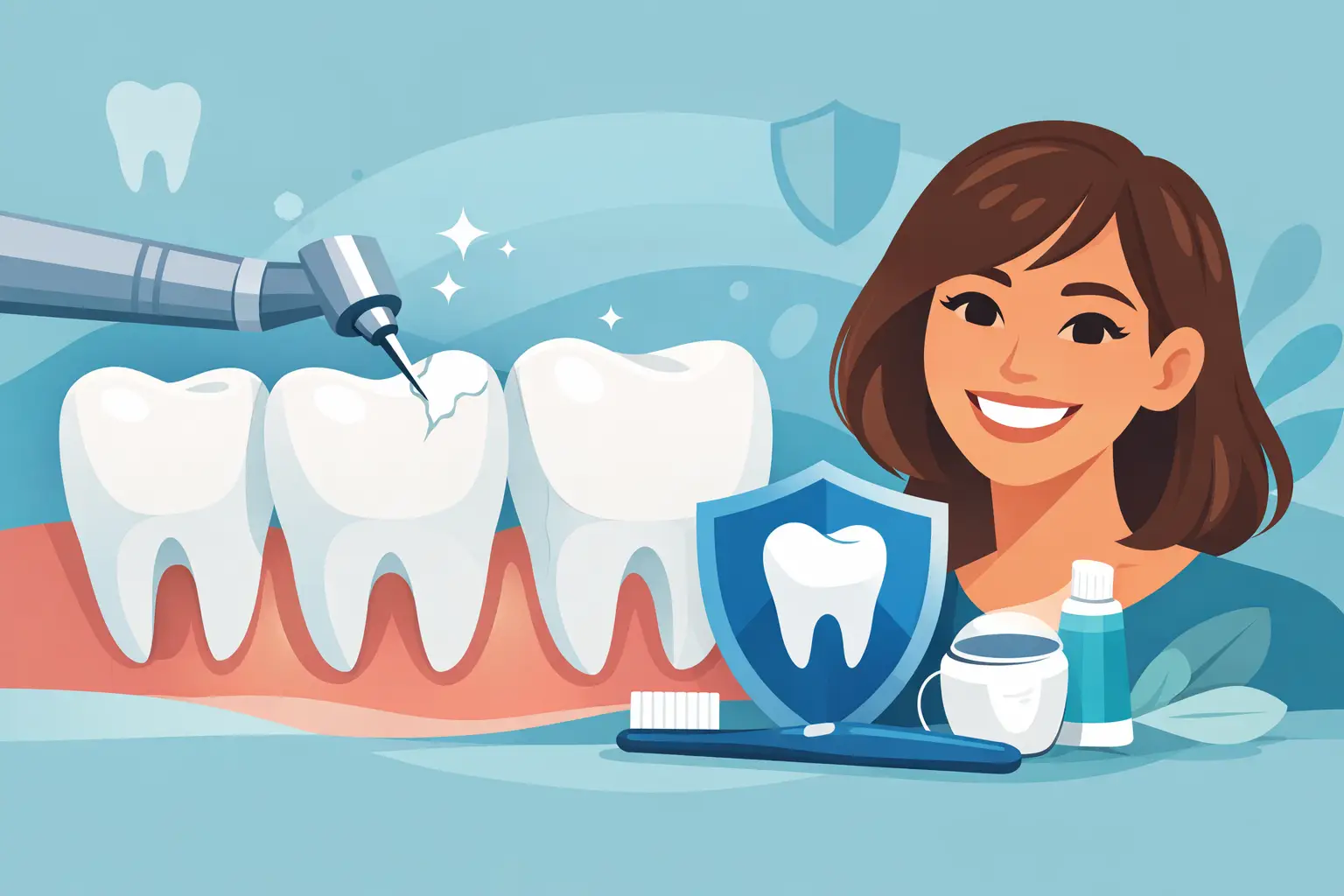
Your dentist first removes decay, worn filling material, or damaged tooth structure. The remaining tooth is cleaned and shaped so the inlay can fit securely. Because the inlay is custom made, it is designed to match the exact contours of the prepared area rather than being shaped freehand in the tooth.
Once bonded, the inlay seals and strengthens the treated area. A well-fitted restoration helps keep food and bacteria from collecting in the space left by decay or a failed filling. It also recreates the tooth’s chewing surface, allowing the upper and lower teeth to meet properly when you bite.
For patients who have noticed sensitivity when chewing, food catching around an old filling, or a rough edge on a back tooth, restoring the area promptly can prevent a smaller concern from becoming a larger fracture or infection. Of course, no restoration can reverse damage to the tooth’s nerve. If decay has reached the pulp, root canal treatment may be needed before the tooth is restored.
A Conservative Option for the Right Tooth
One of the advantages of an inlay is conservation. Healthy enamel is valuable, and when a tooth does not need full coverage, preserving more of its natural structure is often beneficial. Inlays are typically considered when the tooth has enough strong structure around the outside to support the restoration.
That does not mean an inlay is always better than a crown. A tooth with deep cracks, very thin walls, severe wear, or extensive decay may need the broader protection of a crown. The right recommendation depends on the size and location of the damage, your bite, your habits, and the overall health of the tooth.
What Dental Inlays Are Made Of
Modern inlays are commonly made from tooth-colored porcelain or composite resin. Porcelain is a popular choice because it can closely match the shade of natural enamel, resist staining, and hold up well under normal chewing pressure. Composite inlays can also provide a natural appearance and may be selected in certain clinical situations.
The best material is not just a cosmetic decision. Your dentist will consider the tooth’s location, the size of the restoration, how strongly you bite, and how visible the tooth is when you smile. Back teeth need strength, but patients also appreciate a restoration that blends naturally with their smile.
At Finesse Family Dental, treatment planning is personalized because no two teeth, bites, or patient priorities are exactly alike. A clear explanation of the options can make it easier to choose treatment that feels right for your health, comfort, and budget.
What to Expect During the Inlay Process
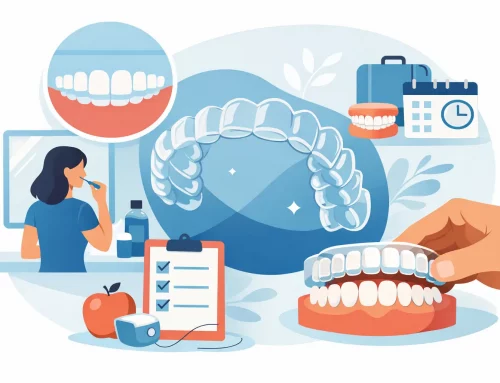
Receiving a dental inlay usually takes two appointments, although the schedule can vary based on the treatment plan and technology used. The process is careful, but it is generally straightforward.
At the first visit, the dentist numbs the area to keep you comfortable. Old filling material and decay are removed, and the tooth is prepared for the inlay. A digital scan or impression records the tooth’s shape and bite. A temporary restoration may be placed while the final inlay is being created.
At the next appointment, the temporary is removed and the final inlay is checked for fit, shade, and bite alignment. Your dentist makes any necessary adjustments before bonding it securely to the tooth. The surface is then polished so it feels smooth and natural.
Some tenderness in the gums or mild sensitivity to temperature can occur after treatment, particularly if the tooth had deep decay or was already sensitive. This should improve as the tooth settles. Contact your dental office if pain is severe, worsens over time, or makes it difficult to bite down comfortably.
Inlay, Filling, or Crown: Which One Do You Need?
Patients often ask why a dentist would not simply replace a damaged filling with another filling. A filling can be a very effective treatment for small areas of decay. However, when the damaged area is larger, a filling may be more likely to wear down, crack, or allow the remaining tooth walls to flex under pressure.
An inlay may offer greater precision and durability for moderate damage, while still preserving more natural tooth structure than a full crown. A crown becomes more appropriate when the tooth needs comprehensive protection. There is no one-size-fits-all answer, and the best choice should be based on a careful examination and X-rays when needed.
If you grind or clench your teeth, your dentist may also discuss a nightguard. Even a strong porcelain restoration can be damaged by repeated heavy forces, and protecting your teeth while you sleep can help extend the life of dental work.
Caring for a Tooth With a Dental Inlay
Dental inlays do not require complicated care, but daily habits have a real impact on their longevity. Brush twice a day with fluoride toothpaste, clean between teeth daily, and keep up with regular hygiene visits. The edges where the inlay meets the natural tooth still need protection from plaque and future decay.
Avoid using teeth to open packages or chew hard non-food items. Be cautious with ice and very hard candies, especially if you have a history of cracked teeth. If you notice a change in your bite, a sharp edge, sensitivity that does not improve, or a restoration that feels loose, schedule an evaluation rather than waiting.
With consistent home care and regular dental exams, a well-made inlay can provide many years of service. More importantly, it gives a damaged tooth the support it needs to stay useful, comfortable, and attractive.
A small problem in a back tooth can be easy to ignore because it may not show when you smile. Giving it timely attention can help preserve your natural tooth and make everyday eating feel comfortable again.