A striking before and after smile makeover is rarely about making every tooth look identical or unnaturally white. The best results look like they belong to you – healthier, more balanced, and more comfortable when you speak, laugh, and smile. That change may be dramatic, or it may be subtle enough that friends simply notice you look more confident.
For patients in Fremont and the East Bay, a smile makeover can address concerns that have built up over years: discoloration that does not respond to store-bought products, worn edges, uneven spacing, old dental work, chipped teeth, or a smile that no longer feels like a reflection of how they want to present themselves. The first step is not choosing veneers or whitening. It is understanding what your smile needs to be healthy and attractive for the long term.
What Does a Smile Makeover Include?
A smile makeover is a personalized combination of cosmetic and restorative dental treatments. There is no single procedure that fits every patient. Someone with healthy, well-aligned teeth may get the improvement they want from professional whitening and a small amount of bonding. Another patient may need to treat gum inflammation, replace aging crowns, straighten teeth with Invisalign, or rebuild worn teeth before cosmetic work makes sense.
The goal is to bring several details into balance: tooth color, shape, spacing, alignment, gum appearance, bite, and the way your teeth function together. A beautiful smile should also feel comfortable to use. If teeth are damaged, shifting, or wearing down because of bite pressure, covering the concern without addressing its cause can lead to disappointing results later.
At Finesse Family Dental, the process can be planned with both appearance and oral health in mind, so patients can receive preventive, restorative, and cosmetic care in one familiar setting.
Before and After Smile Makeover: The Planning Matters
The most meaningful changes often happen before treatment begins. A careful consultation allows your dentist to listen to what you like and dislike about your smile, examine your teeth and gums, and identify issues that may affect your options.
You may be asked questions that go beyond color or tooth shape. Do you avoid smiling in photos? Is one front tooth darker than the others? Have old fillings or crowns begun to show at the gumline? Do you wake with jaw tension, chip teeth easily, or feel that your bite has changed? These details help create a treatment plan that is realistic, comfortable, and designed around your priorities.
Photos, digital imaging, and dental X-rays may be used to evaluate your smile from different angles. Your dentist will look at facial proportions, lip movement, tooth length, gum symmetry, and how your teeth meet when you bite. This is why a makeover is more thoughtful than selecting a shade from a chart. A bright shade may look great on one person but out of place on another, while slightly adjusting tooth length can make a substantial difference in overall balance.
Healthy Gums Come First
Red, swollen, bleeding, or receding gums can change the appearance of your smile and compromise cosmetic results. Gum disease treatment or a thorough hygiene visit may be recommended before veneers, crowns, whitening, or bonding. If the gumline is uneven, your dentist may also discuss whether gum contouring or periodontal care could improve the frame around the teeth.
This can feel like an extra step when you are eager to see a cosmetic change. In reality, protecting gum health helps new dental work look better and last longer.
Function Is Part of the Design
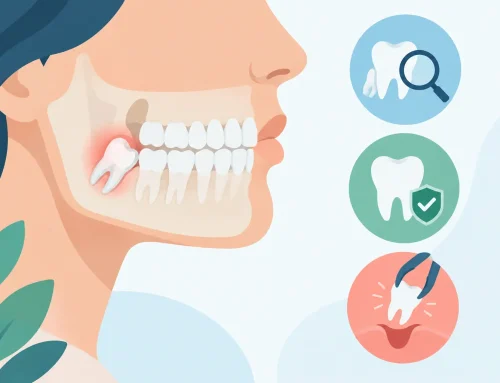
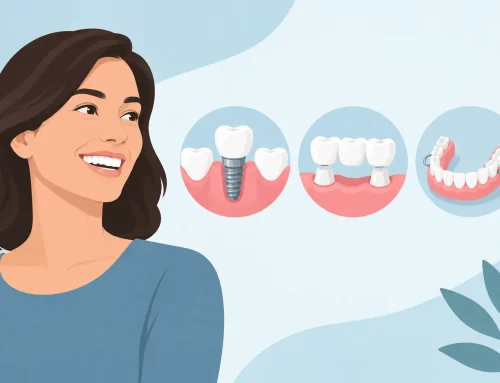
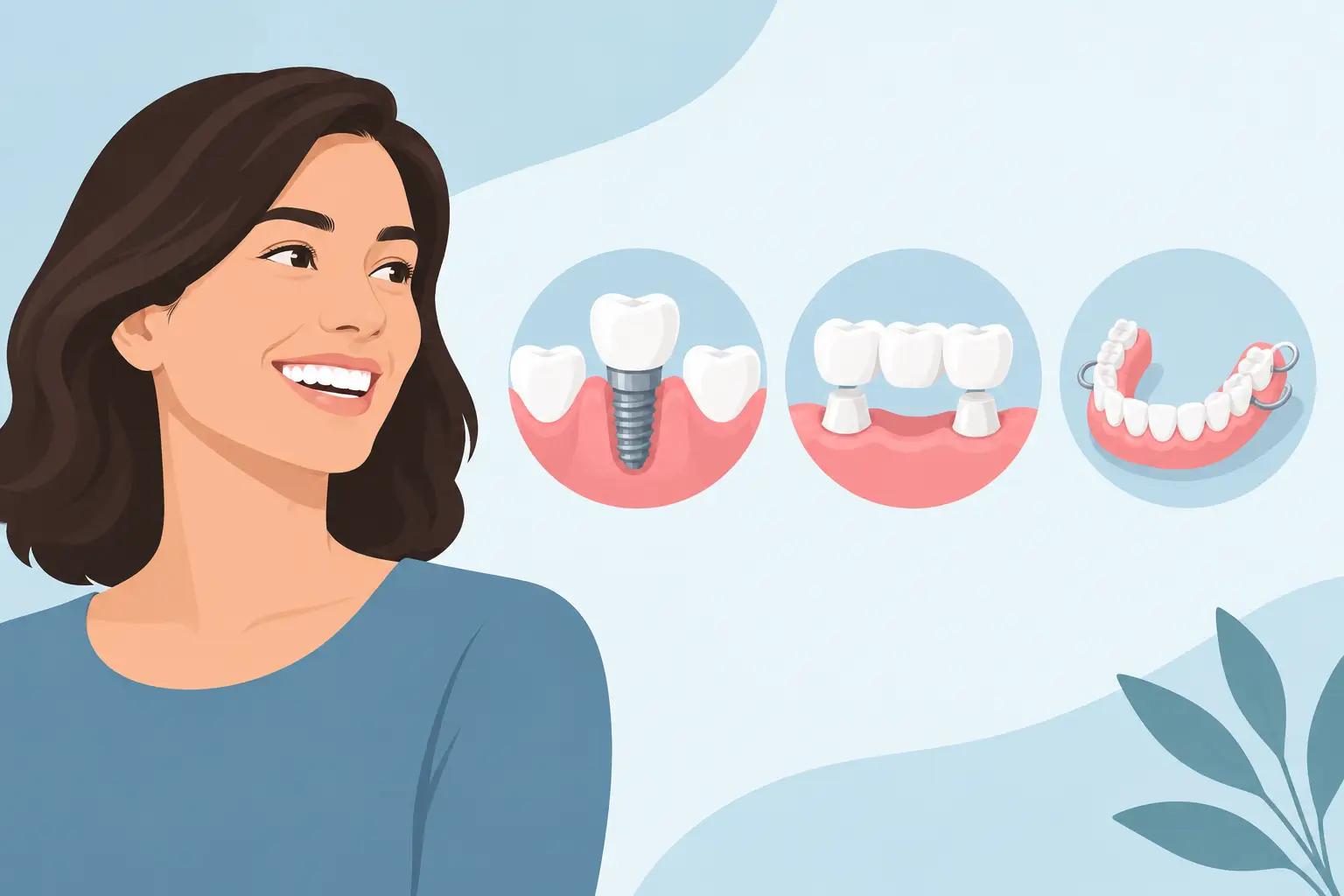
A smile makeover is not only for the teeth people see first. If teeth are worn, cracked, missing, or moving, restorative treatment may be part of the plan. Crowns, inlays, bridges, dental implants, or dentures can restore strength and function while improving appearance.
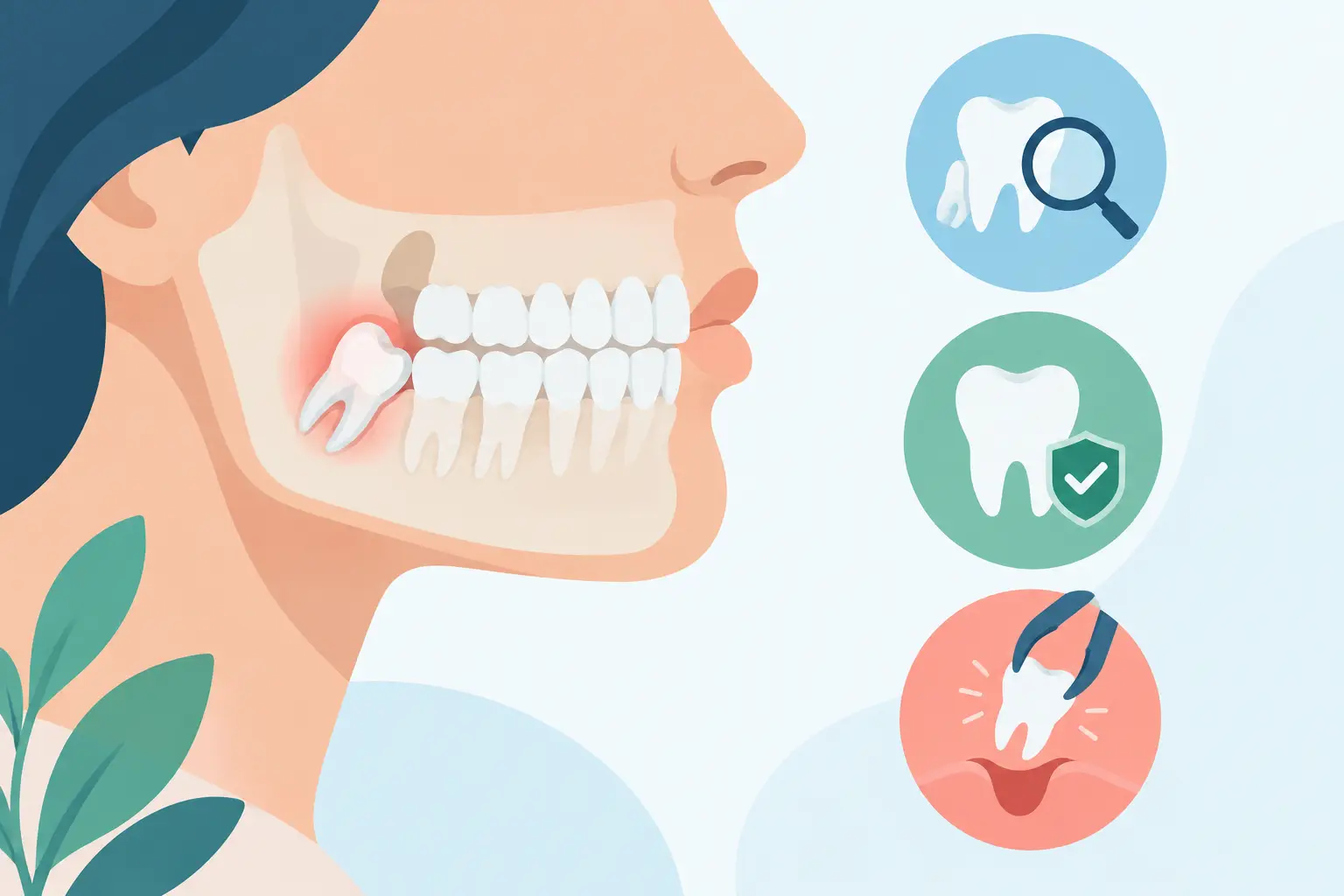
Bite concerns also matter. For example, placing veneers on teeth that are grinding heavily without addressing the pressure can put those veneers at risk. Orthodontic treatment may sometimes be the more conservative first choice, especially when crowding or spacing is the primary concern. The right recommendation depends on your tooth structure, goals, timeline, and budget.
Treatments That Can Create Visible Change
Professional whitening can lift stains caused by coffee, tea, red wine, tobacco, and natural aging. It is often a good starting point when teeth are healthy and the main concern is color. Whitening does not change the color of existing crowns, veneers, or fillings, however, so your dentist may recommend whitening before replacing visible restorations to help everything match.
Dental bonding uses tooth-colored material to repair small chips, close modest gaps, soften uneven edges, or improve the appearance of a misshapen tooth. It is typically more conservative than a veneer, though it may be more prone to staining or chipping over time depending on your bite and habits.
Veneers are thin, custom shells placed over the front surface of teeth. They can make a significant difference in color, shape, minor spacing, and symmetry. They may be a strong option for patients who want a more comprehensive cosmetic change, but they are not automatically the best choice for every concern. Some teeth need little preparation, while others require more planning. Veneers also require a commitment to ongoing care and may eventually need replacement.
Crowns can improve the appearance of a tooth while providing full coverage and protection when a tooth is heavily filled, cracked, weakened, or worn. Invisalign may be recommended to straighten teeth gradually and improve spacing or bite alignment. For missing teeth, an implant, bridge, or denture can restore the smile’s continuity and make chewing easier.
What “After” Should Really Look Like
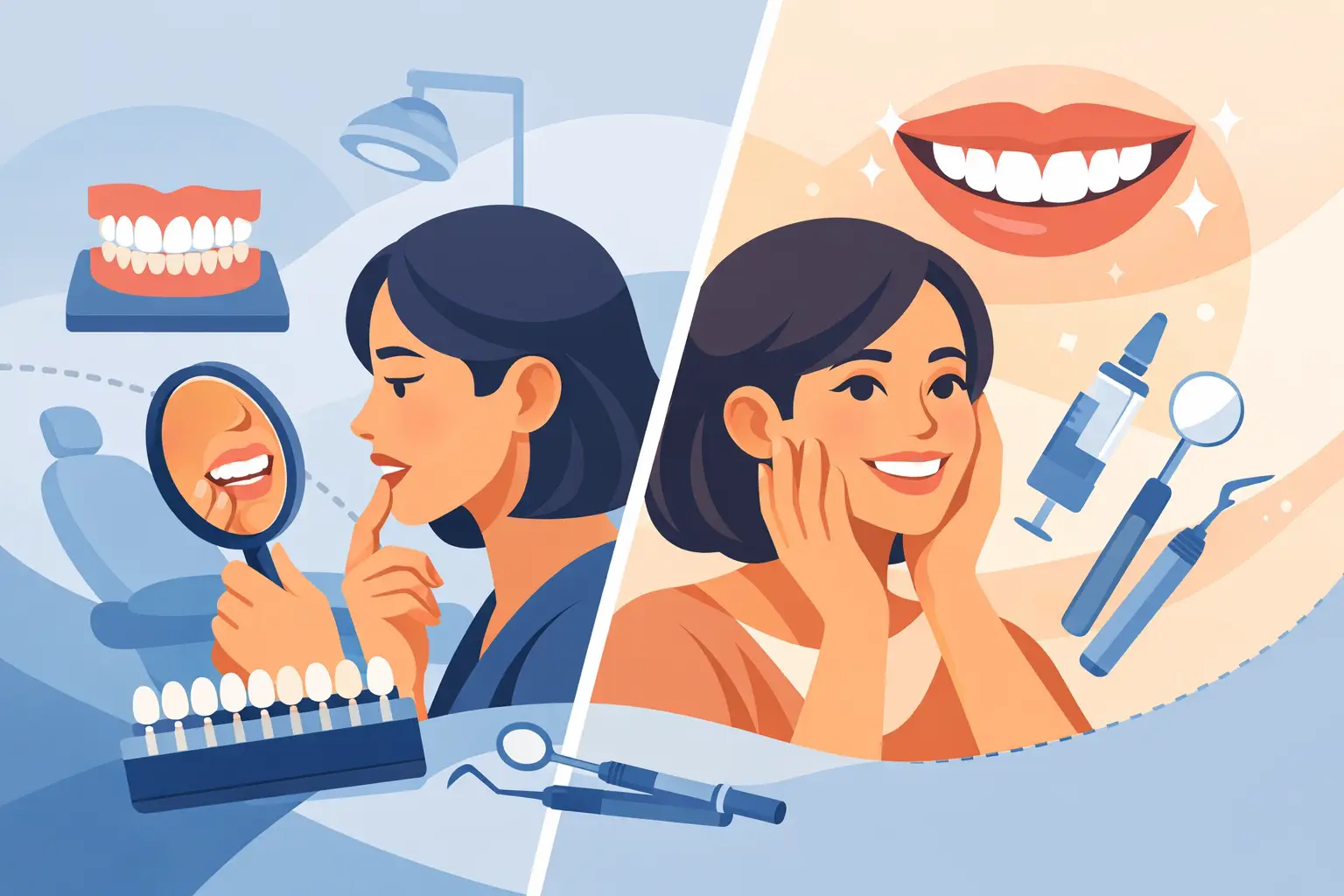
The after photo may show whiter teeth, cleaner lines, a more even gumline, or a restored space where a tooth was missing. But a quality outcome is not defined by a single picture. It should look natural at normal conversation distance, fit your face, and allow you to bite and speak comfortably.
Be cautious when comparing your smile to heavily edited online photos. Lighting, camera angle, filters, and lip position can dramatically change what a result looks like. Instead, ask to see examples that are relevant to your concern, and talk openly about what is realistically possible with your teeth and oral health.
A good treatment plan also respects your preferences. Some patients want a noticeable, camera-ready brightness. Others want a softer, natural shade that blends with their complexion and age. Neither preference is better. The right result is the one that feels right to you and is built on sound dental care.
How Long Does a Smile Makeover Take?
The timeline varies widely. Whitening or bonding may be completed in one or two visits. A crown or veneer process usually requires planning, preparation, and placement appointments. Invisalign can take months, and treatment involving gum care, implants, or full mouth rehabilitation may require a longer sequence to allow for healing and precise results.
Your dentist should explain the order of treatment and why it matters. For example, treating gum disease before veneers, completing orthodontic movement before final crowns, or whitening before choosing the shade for new restorations can prevent avoidable revisions. Rushing cosmetic treatment may save time initially but can create compromises in appearance or durability.
Caring for Your New Smile
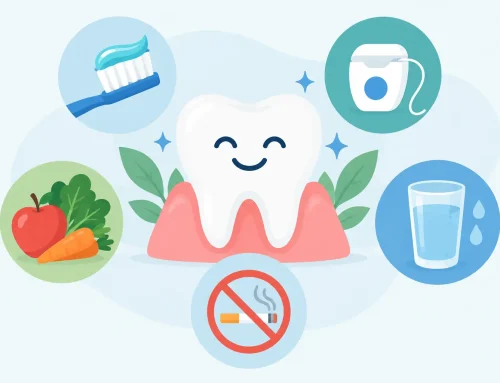
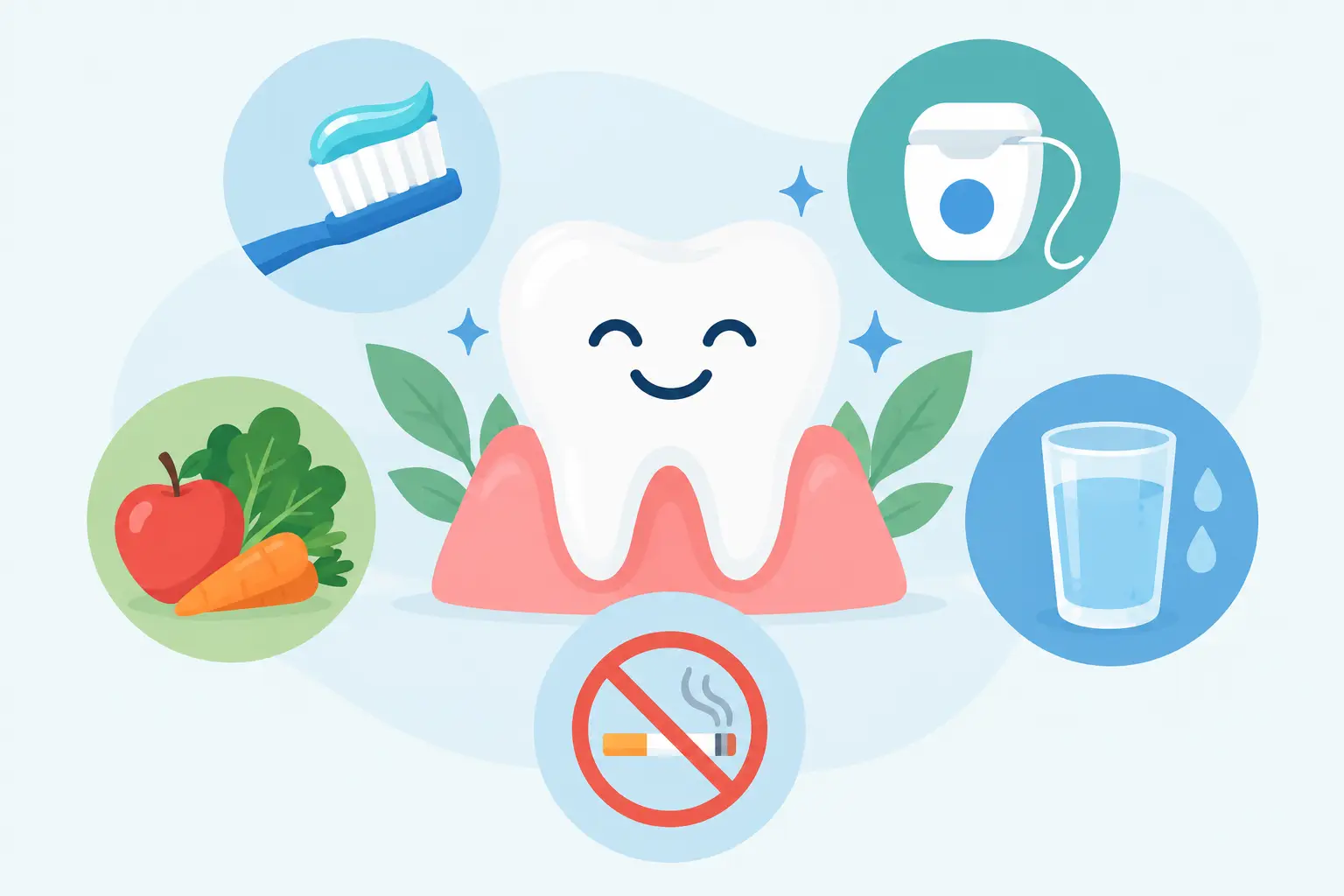
A smile makeover is an investment in your health and confidence, not a finish line for dental care. Brushing twice daily with a fluoride toothpaste, cleaning between teeth every day, and attending regular professional cleanings protect both natural teeth and cosmetic work. If you grind your teeth, a nightguard may help reduce damage to veneers, crowns, and bonding.
Coffee, tea, wine, and tobacco can still affect the brightness of natural teeth and the surface appearance of dental work. You do not have to give up everything you enjoy, but consistent hygiene and periodic professional guidance make a real difference. Small chips, changes in bite, sensitivity, or bleeding gums are worth addressing early rather than waiting for a larger problem.
The most rewarding before-and-after change is often not just what appears in the mirror. It is the moment you stop covering your mouth when you laugh and start smiling without thinking about it first.