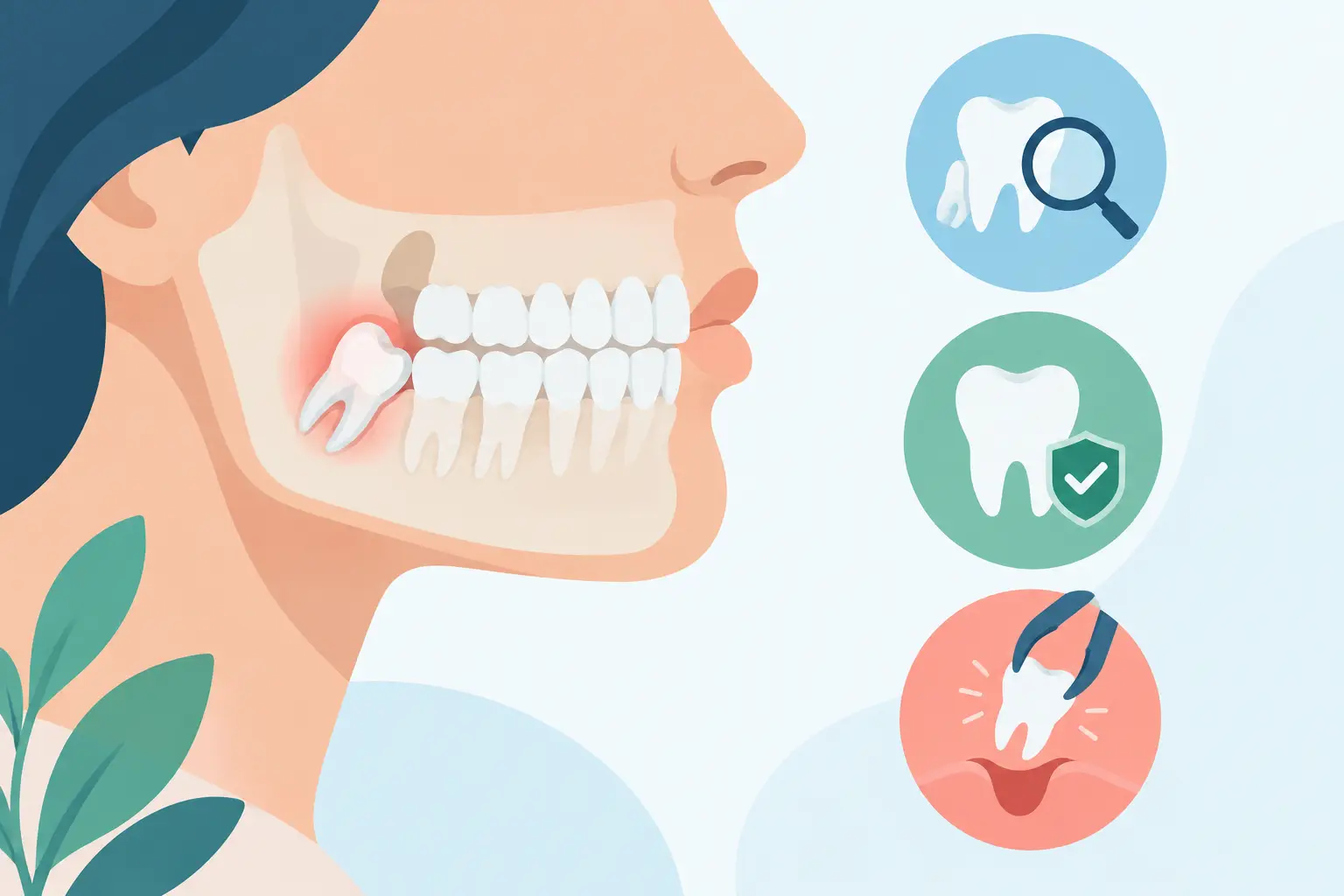
A sore spot after brushing, gums that bleed when flossing, or anxiety before an appointment can make dental care feel harder than it should. Gentle dental care methods focus on protecting your teeth and gums without using unnecessary force, while making professional treatment feel more comfortable and manageable for every member of the family.
Gentle care is not about avoiding treatment when treatment is needed. It is about preventing small concerns from becoming bigger ones, listening carefully to what your mouth needs, and using modern techniques that support a positive experience. For Fremont families, that can mean fewer stressful surprises and more confidence in every visit.
What Gentle Dental Care Methods Really Mean
Many people associate dentistry with pressure, discomfort, or being rushed through an appointment. A gentle approach changes that expectation. It combines thoughtful communication, careful clinical technique, preventive care, and technology chosen to make treatment more precise.
At home, gentleness means cleaning thoroughly without scrubbing so hard that you irritate your gums or wear down enamel. At the dental office, it means an experienced team takes time to understand your concerns, explains what is happening, and recommends care based on your comfort, oral health, and long-term goals.
The right approach depends on the issue. A patient with sensitive teeth may need a different brushing routine and desensitizing treatment than someone managing gum inflammation. A child visiting for the first time needs reassurance and a calm introduction to care, while an adult with dental anxiety may benefit from a slower pace and clear communication throughout treatment.
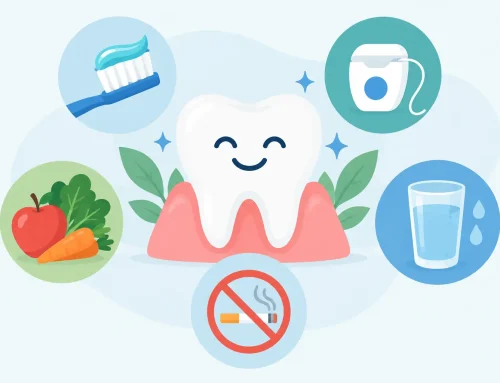
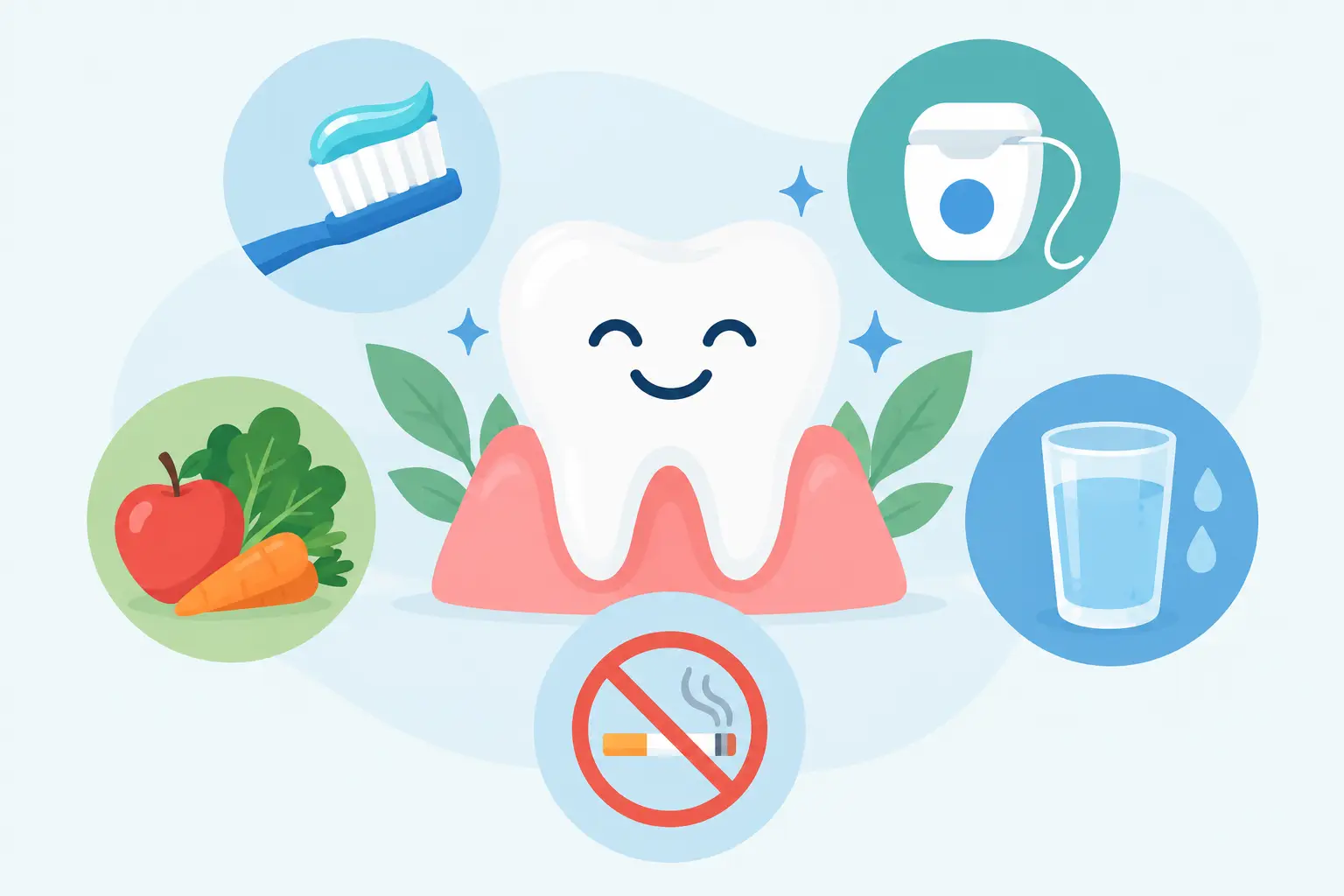
Start With a Softer, More Effective Home Routine
Brushing harder does not make teeth cleaner. In fact, aggressive brushing can contribute to gum recession, sensitivity, and worn enamel near the gumline. Use a soft-bristled toothbrush, angle the bristles gently toward the gums, and make small, controlled motions rather than long back-and-forth scrubbing strokes.
Two minutes of brushing twice a day gives fluoride toothpaste time to clean and strengthen enamel. If your gums feel tender, an electric toothbrush with a pressure sensor can be useful because it alerts you when you are pushing too hard. A manual toothbrush can work just as well when used with a light touch and consistent technique.
Cleaning between teeth is equally important, but it should not feel like a struggle. Floss should slide carefully along the side of each tooth in a C shape rather than snap into the gums. If traditional floss is difficult because of tight spaces, braces, bridges, or limited hand mobility, floss holders, interdental brushes, or a water flosser may be more practical. The best option is the one you can use regularly and correctly.
Sensitivity deserves attention rather than avoidance. If cold drinks, sweets, or brushing cause discomfort, switch to a toothpaste designed for sensitive teeth and avoid whitening products until you have discussed the cause with your dentist. Sensitivity can come from exposed roots, worn enamel, a cavity, a cracked tooth, or gum disease. Treating the source is more effective than simply trying to work around the discomfort.
Be Gentle With Your Gums, Not Indifferent to Them
Healthy gums should not regularly bleed, swell, or feel painful. Bleeding may occur when you first begin flossing consistently because inflamed gums are responding to plaque buildup, but it should improve with proper daily care. If bleeding continues, schedule an evaluation.
Gum disease can progress quietly, which is why regular hygiene visits matter even when your teeth feel fine. Professional cleanings remove hardened deposits that brushing and flossing cannot reach. Early periodontal care is generally simpler, more comfortable, and more protective of your natural teeth than waiting for symptoms to become severe.
Comfort Begins Before You Sit in the Chair
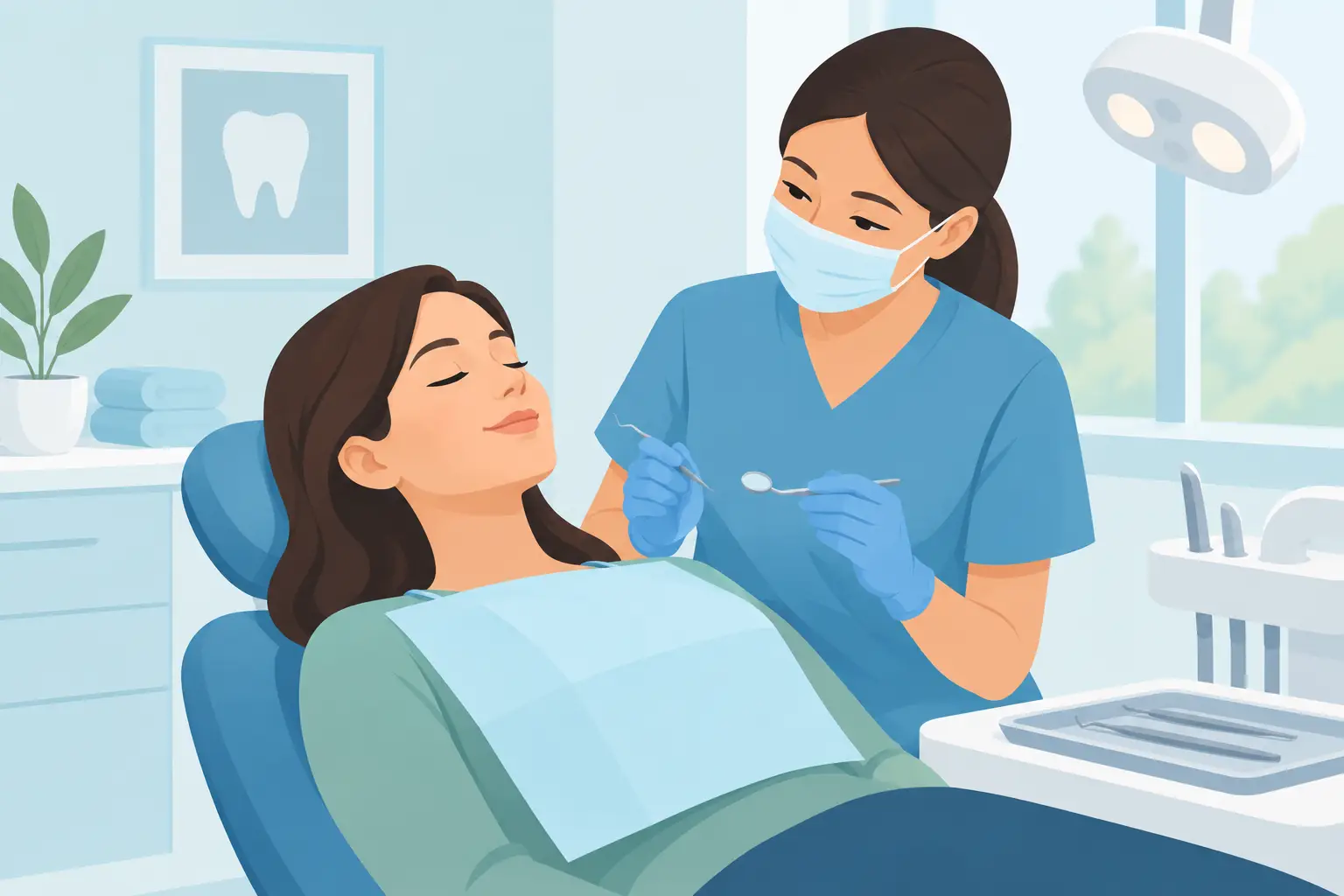
For many patients, the hardest part of dentistry is not the procedure. It is the uncertainty. A gentle dental experience starts with letting the office know about anxiety, a sensitive gag reflex, a past difficult appointment, or concerns about pain. Sharing that information is not an inconvenience. It helps your dental team tailor the visit to you.
Ask questions before treatment begins. Knowing why a procedure is recommended, what you may feel, how long it will take, and what recovery looks like often reduces stress. It is also reasonable to agree on a simple signal, such as raising your hand, if you need a pause.
Modern dentistry offers more ways to improve comfort than many patients realize. Local anesthetic can be delivered carefully to numb an area before restorative care, and precise digital imaging can help diagnose concerns early. For some gum procedures, laser technology such as Waterlase may offer a conservative treatment option with less vibration and a gentler feel than traditional methods. The most appropriate approach always depends on the condition being treated and your individual health history.
Gentle Treatment Does Not Mean Delaying Necessary Care
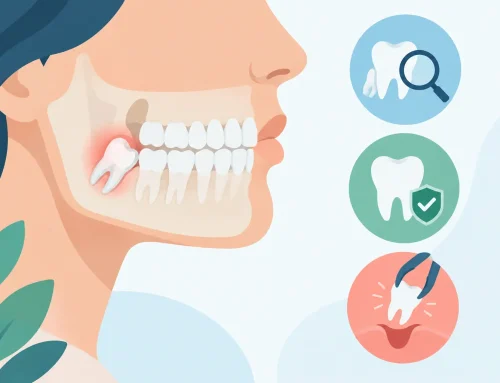
It is understandable to postpone an appointment when a tooth is sore or you are worried about what the dentist may find. Unfortunately, waiting can turn a small cavity into a painful infection, a simple filling into a crown, or manageable gum inflammation into more advanced periodontal disease.
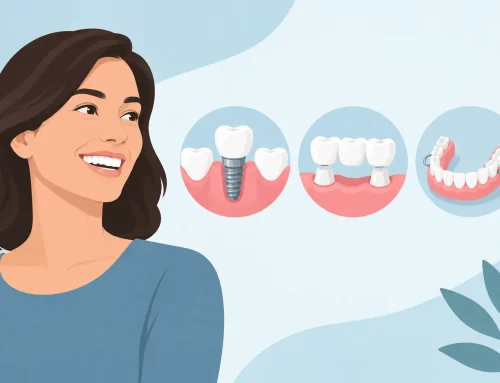
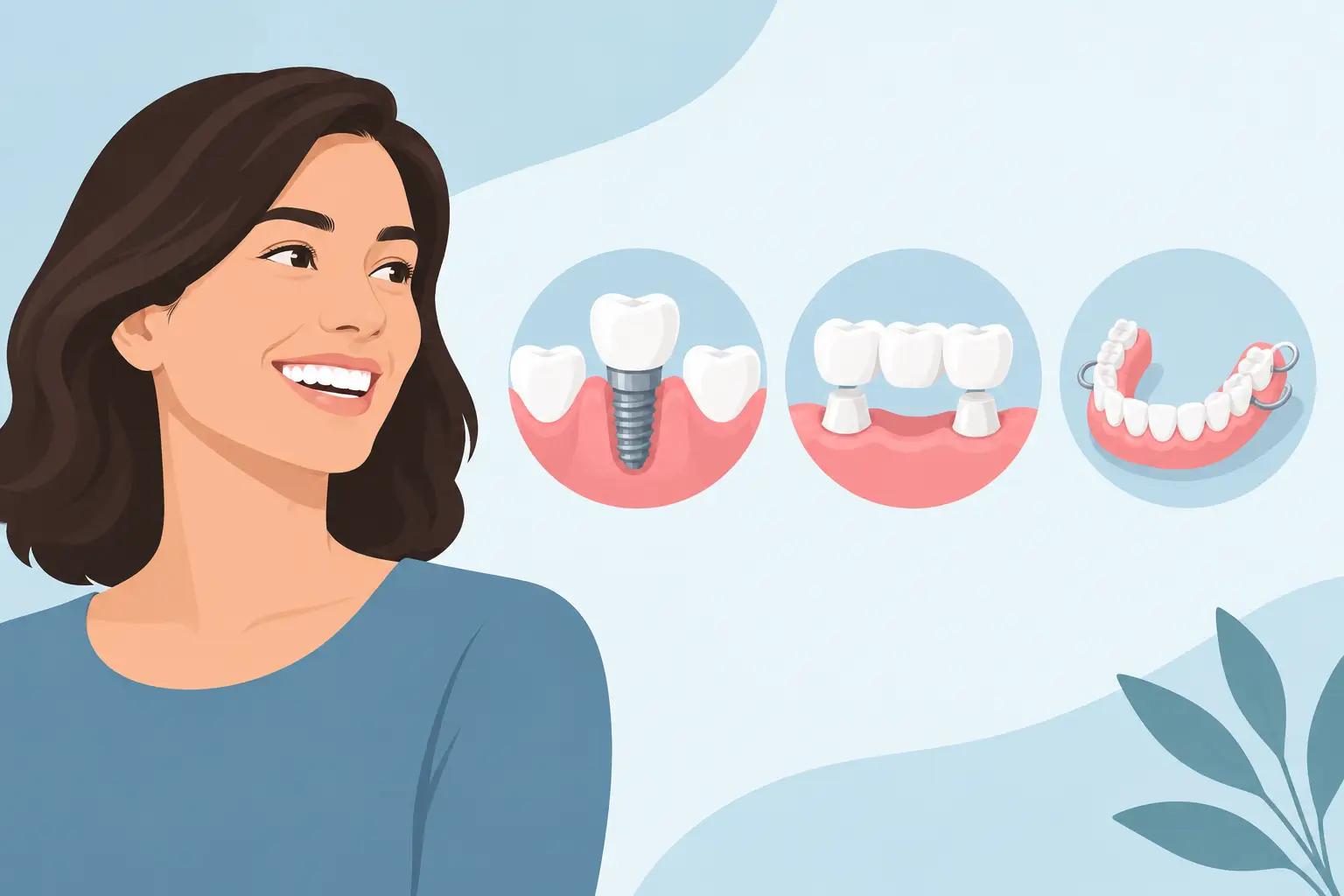
Early treatment is often the gentlest treatment. Small cavities can frequently be restored with conservative fillings. A cracked or weakened tooth may be protected with an inlay or crown before it breaks further. Replacing missing teeth with a bridge, denture, or implant can help restore chewing comfort and keep neighboring teeth from shifting.
There are trade-offs to consider. A cosmetic treatment such as whitening may be a good choice for healthy teeth with surface staining, but it will not change the color of crowns or fillings. Invisalign can discreetly straighten many smiles, but it requires consistent wear and careful hygiene. Veneers can create a major cosmetic change, yet they involve planning around your natural tooth structure and long-term maintenance. A trusted dentist should explain those choices clearly rather than treating every patient the same way.
Gentle Dental Care Methods for Children
Children learn how to feel about dentistry from early experiences. A relaxed, encouraging visit can help them see checkups as a normal part of staying healthy rather than something to fear. Parents can prepare children by using simple, positive language and avoiding frightening descriptions of dental treatment.
At home, help young children brush until they have the hand control to do a thorough job on their own. For many children, that means supervision well into the elementary school years. Use a rice-sized smear of fluoride toothpaste for children under 3, and a pea-sized amount for children ages 3 to 6, while encouraging them to spit out excess toothpaste rather than swallow it.
Regular pediatric dental visits also give parents guidance as teeth develop. Your dentist can monitor eruption patterns, discuss cavity prevention, evaluate bite concerns, and recommend orthodontic timing when appropriate. A child does not need to be in pain before receiving dental attention.
Choosing a Dentist Who Listens
Gentle care is built on skill, but it is also built on trust. Look for a practice that provides preventive, restorative, cosmetic, and periodontal services with a clear focus on communication. When more care can be coordinated in one office, patients and families may have an easier time getting answers, maintaining continuity, and planning treatment around their schedules.
At Finesse Family Dental, patients receive personalized care that respects both their oral health needs and their comfort concerns. Whether you are coming in for a routine cleaning, addressing tooth sensitivity, treating gum disease, or considering a smile improvement, the goal is to help you feel informed and cared for at every step.
A calmer dental experience often begins with one small decision: do not wait until discomfort forces your hand. Schedule preventive care, mention what makes you nervous, and give your smile the attentive, gentle care it deserves.