A tooth that suddenly looks longer is often not a cosmetic change. It can be a sign that the gum tissue has pulled away from the tooth, exposing a sensitive root surface that was never meant to face hot coffee, cold water, or daily brushing. The best treatments for receding gums depend on why the recession happened, how much support the tooth has lost, and whether active gum disease is involved.
Gum recession is common, but it deserves prompt, personal attention. Some cases can be stabilized with improved home care and professional periodontal treatment. Others need gum grafting to protect the root and rebuild a healthier gumline. The encouraging news is that modern treatment can be gentle, targeted, and focused on preserving your natural teeth.
Why gums recede in the first place
Receding gums are not always caused by one thing. Gum disease is a frequent cause because bacterial infection can damage the bone and tissues that hold teeth in place. When this support is lost, the gums may pull back and pockets can form around the teeth.
However, people with otherwise healthy mouths can also develop recession. Brushing aggressively with a hard-bristled toothbrush, using an abrasive technique, clenching or grinding teeth, tobacco use, poorly positioned teeth, and a naturally thin gum type can all contribute. A lip or tongue piercing, orthodontic movement, and old dental work that irritates the gumline may also play a role.
That is why an online photo or a quick glance in the mirror cannot tell you which treatment is right. A dentist needs to examine the gum tissue, measure periodontal pockets, evaluate your bite, and check for bone loss. The cause matters just as much as the appearance of the gumline.
Best treatments for receding gums
The right plan may involve one treatment or a combination of approaches. The goal is not simply to make the gums look more even. It is to stop progression, reduce inflammation and sensitivity, protect exposed roots, and help you keep your teeth comfortable and functional.
Professional cleaning and better daily habits
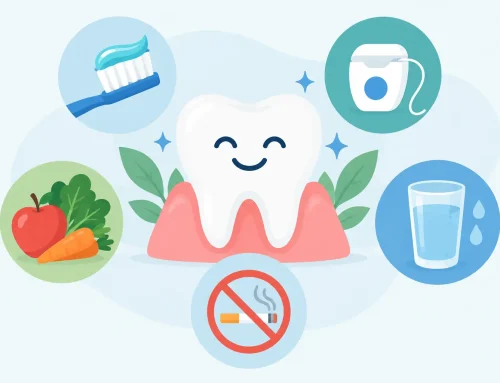
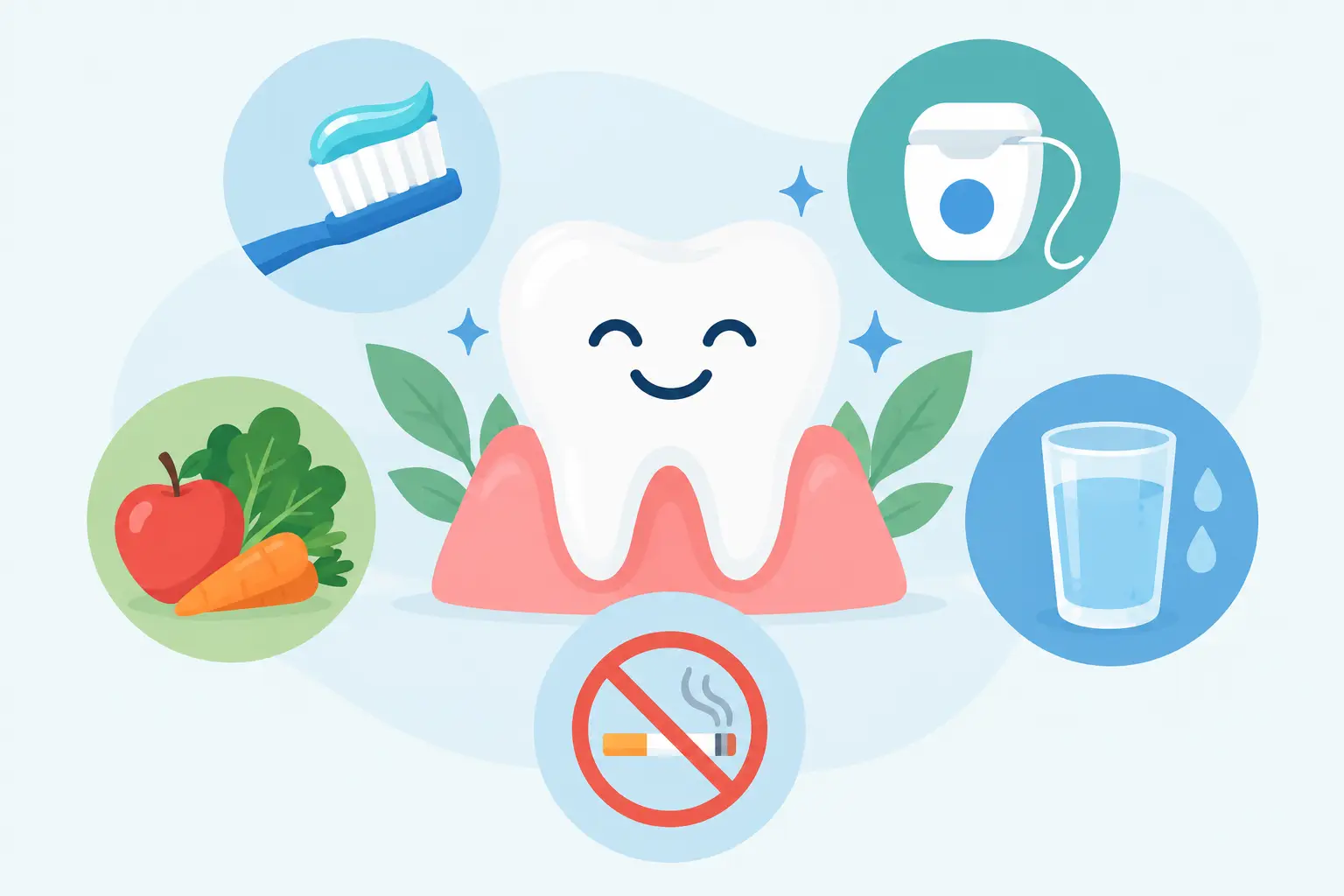
For mild recession without significant periodontal disease, the first step may be changing the factors that are irritating the gums. Your dental team may recommend a soft-bristled toothbrush, a gentler brushing angle, and a non-abrasive toothpaste designed for sensitivity. Brushing harder does not clean better. It can gradually wear the gumline and root surface.
Professional cleanings remove tartar that brushing and flossing cannot reach. If plaque buildup is contributing to gum inflammation, consistent hygiene visits and improved care at home can help the gums become healthier and less likely to recede further. This approach will not usually grow lost gum tissue back, but it can be very effective at preventing additional damage.
Scaling and root planing for gum disease
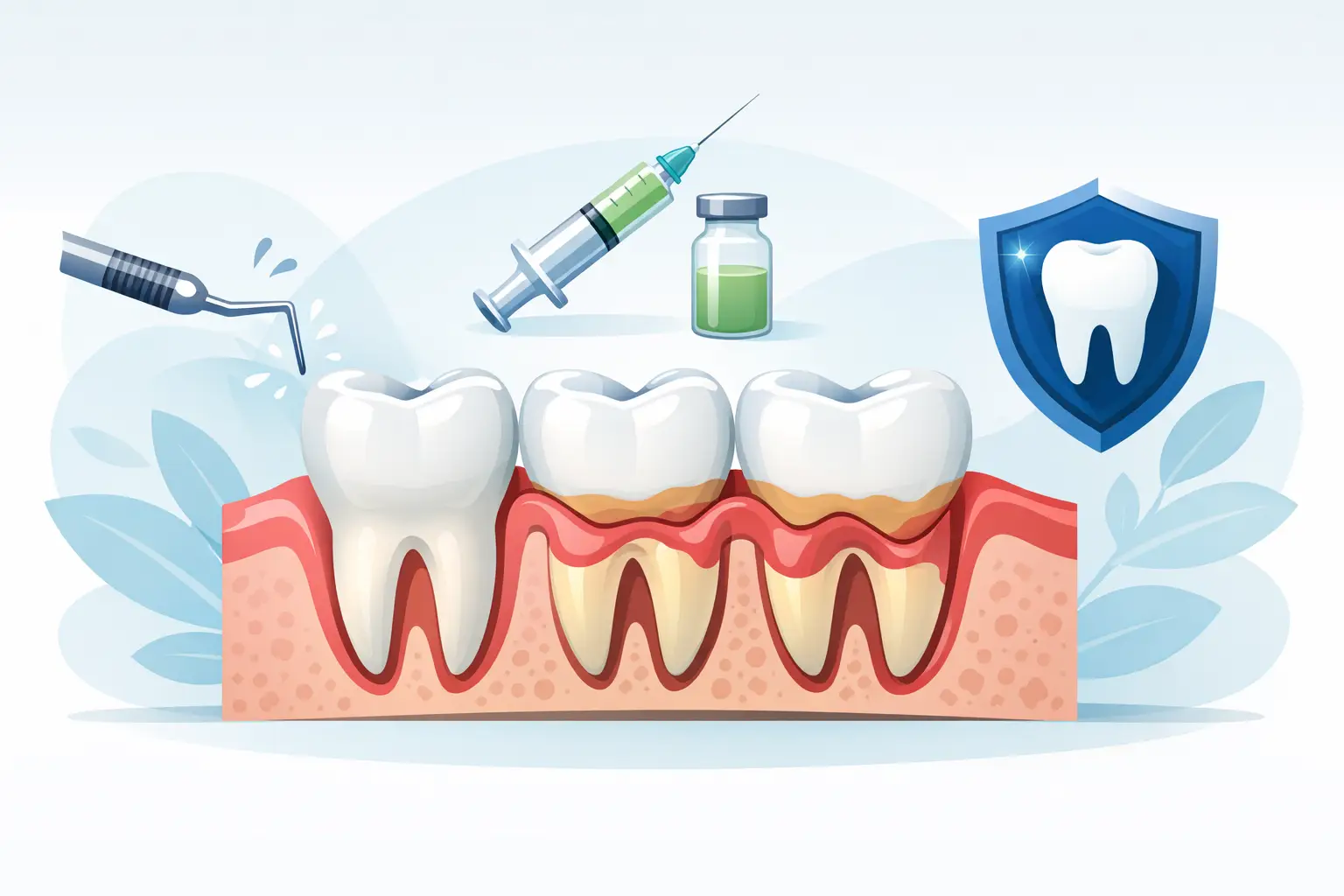
When gum disease has created pockets around teeth, a routine cleaning may not be enough. Scaling and root planing is a deeper cleaning that removes bacteria and hardened deposits from below the gumline and smooths the root surfaces. Smoother roots make it harder for bacteria to attach and give the gum tissue a better chance to heal.
This treatment is often performed in sections of the mouth and may include local anesthetic for comfort. Afterward, the gums are reassessed to see how well they respond. Some patients need ongoing periodontal maintenance more often than a standard six-month cleaning schedule, especially if they have a history of gum disease.
Laser-assisted periodontal care
Laser dentistry may be an option for patients with inflamed gum tissue or periodontal infection. At Finesse Family Dental, Waterlase technology can support gentle gum disease treatment by helping address infected tissue and bacteria with precision. It may reduce the need for more invasive techniques in appropriate cases and can make treatment feel more comfortable for patients who are anxious about dental procedures.
Laser treatment is not a replacement for diagnosis, home care, or maintenance. It is one tool within a complete periodontal plan. Whether it is appropriate depends on the depth of the pockets, the condition of the gums and bone, and the specific goals for your smile.
Treating sensitivity and protecting exposed roots
Recession exposes cementum and dentin, softer root surfaces that can be much more sensitive than enamel. If cold air, sweets, or brushing cause a sharp twinge, your dentist may recommend prescription-strength fluoride, desensitizing products, or a protective bonding material over the exposed area.
Bonding can also improve the appearance of a notched or worn tooth near the gumline. It is a conservative option when the recession is limited and the main concern is sensitivity or root wear. Still, bonding does not treat the underlying reason the gum moved. If gum disease or an unstable bite is present, those concerns must be addressed as well.
Gum grafting for more advanced recession
Gum grafting is often considered when recession is more pronounced, the root is highly sensitive, decay risk is elevated, or the tissue is too thin to remain stable. During this procedure, a dentist or periodontist adds tissue to cover or reinforce the exposed root. The tissue may come from the roof of the mouth or from a carefully selected donor source.
A graft can improve root coverage, thicken fragile tissue, and create a more natural-looking gumline. Coverage is not guaranteed to be identical in every case. Results depend on the location of the tooth, the amount of existing bone and tissue, brushing habits, and whether the underlying cause has been controlled. Even so, grafting can be one of the most protective long-term solutions for advanced recession.
Bite adjustment, night guards, or orthodontic planning
If teeth are taking excessive force from clenching, grinding, or an uneven bite, the gumline may continue to be stressed despite excellent cleaning. A custom night guard can help protect teeth from nighttime grinding. In some situations, minor bite adjustment or restorative treatment may be appropriate.
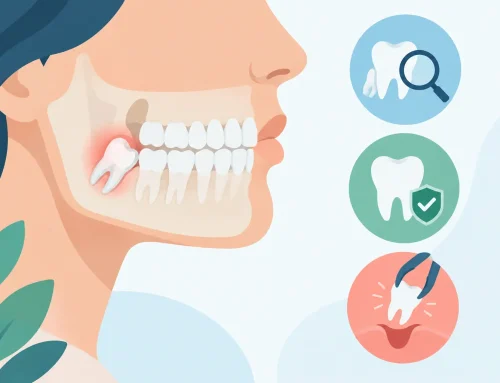
Tooth position also matters. A tooth that sits too far forward in the jaw may have very thin bone and gum tissue around it. Orthodontic treatment, including Invisalign in selected cases, can sometimes improve the position of teeth and make the gumline easier to maintain. Orthodontics should be carefully planned when recession is present, particularly if there is active gum disease. Healthy, stable gums come first.
What does not work for receding gums
It is understandable to look for a simple home remedy, especially when gums feel sensitive. But no toothpaste, mouth rinse, oil, or supplement can reliably regrow gum tissue that has been lost. These products may help manage plaque, freshen breath, or reduce sensitivity, but they cannot rebuild the attachment and support around a tooth.
Be cautious with whitening products if recession has made your teeth sensitive. Whitening gel can irritate exposed root areas for some people. A dentist can help you decide when whitening is appropriate and how to protect sensitive teeth during cosmetic treatment.
You should also avoid trying to scrub the gumline clean after noticing recession. Switching to a soft brush and using gentle, small motions is usually safer. If you are unsure about your technique, ask your hygienist to show you a method that cleans thoroughly without causing more trauma.
When to schedule a dental visit
Schedule an evaluation if you notice a tooth looking longer, a visible root, gum tenderness, bleeding when brushing, persistent bad breath, loose teeth, or new sensitivity. Recession can progress quietly, particularly when gum disease is present. The earlier it is evaluated, the more options you may have to stabilize it conservatively.
At your visit, expect a discussion rather than a one-size-fits-all recommendation. Your dentist should explain what is causing the recession, whether bone loss is present, and which treatment offers the best balance of health, comfort, appearance, and long-term maintenance. If treatment is needed, addressing it early can often be less extensive than waiting until sensitivity, decay, or tooth mobility develops.
A healthy gumline does more than frame a confident smile. It protects the foundation of every tooth. If something has changed, a gentle periodontal evaluation can give you clear answers and a practical path forward.