Bleeding when you brush, persistent bad breath, or gums that look red and puffy can be easy to dismiss. But they are often the first signals that your gums need attention. So, can gum disease be reversed? The honest answer depends on how far it has progressed. Early gum disease can often be reversed with professional care and consistent home hygiene. More advanced disease cannot be fully reversed, but it can be treated and carefully managed to protect your teeth, comfort, and smile.
For families and busy professionals in Fremont, acting early can mean a simpler treatment plan, fewer appointments, and a healthier foundation for every other dental need.
Can Gum Disease Be Reversed in Its Early Stage?
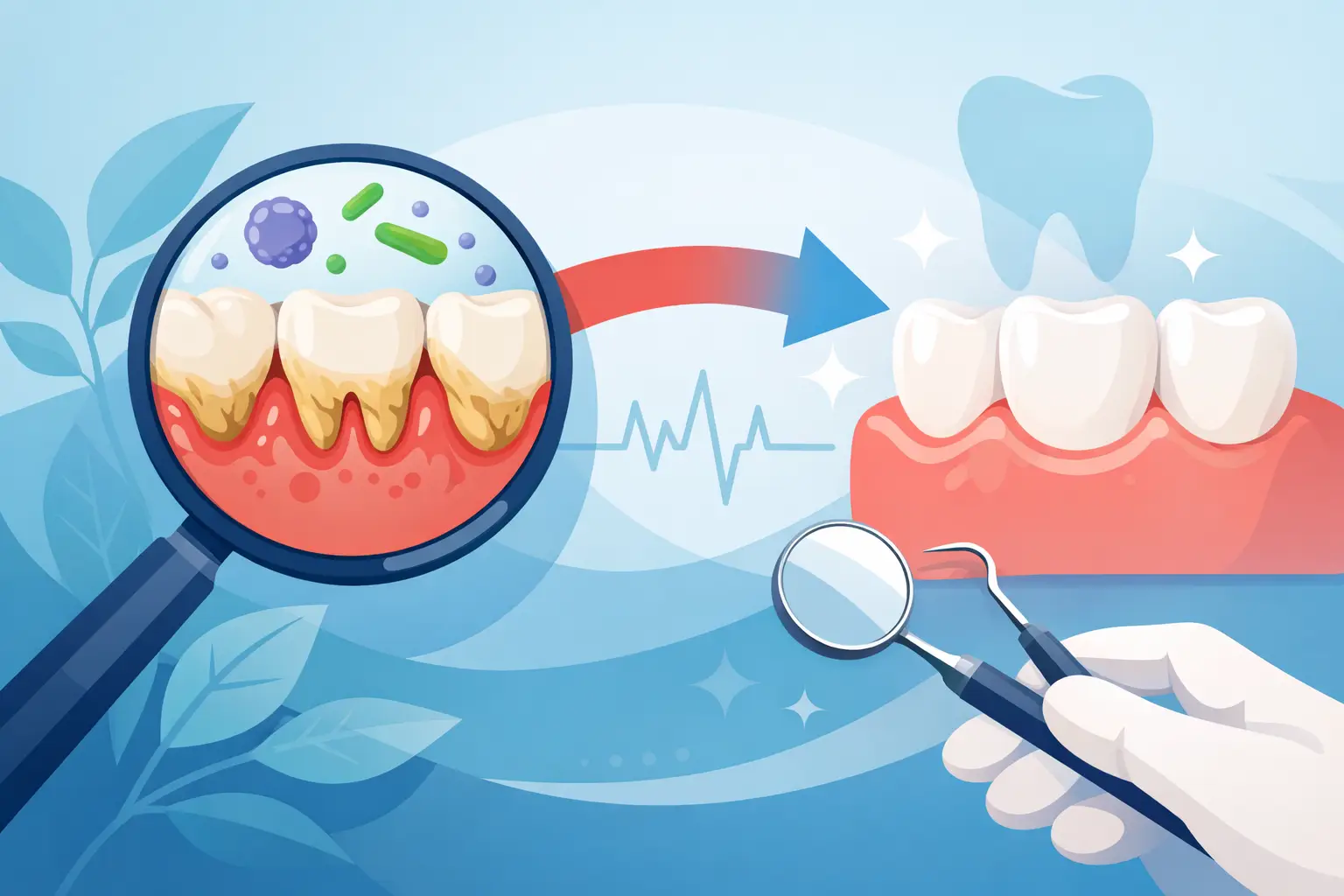
The earliest stage of gum disease is called gingivitis. It develops when plaque, a sticky film of bacteria, collects along and below the gumline. The bacteria irritate the gum tissue, causing inflammation. At this point, the inflammation is limited to the gums. The bone and connective tissues that hold your teeth in place have not been damaged.
That distinction matters. With a thorough professional cleaning and better plaque removal at home, gingivitis can usually heal. Your gums may become firmer, less red, and less likely to bleed within a matter of weeks. Regular brushing and flossing are essential, but they work best after a hygienist has removed hardened plaque, called tartar, that cannot be brushed away at home.
Gingivitis is not always painful. In fact, many people first notice it only when they see pink in the sink after brushing or flossing. A lack of pain should not be a reason to wait. Healthy gums generally do not bleed during gentle brushing or flossing.
What Changes When Gum Disease Becomes Periodontitis?
When gingivitis is left untreated, it can progress to periodontitis. This is a more serious infection in which inflammation reaches the tissues and bone supporting the teeth. The gums can begin to pull away from the teeth, creating pockets where bacteria collect. Over time, bone loss may occur, and teeth can become loose or shift.
Periodontitis cannot be reversed in the same way gingivitis can. Lost bone and attachment tissue do not simply grow back after brushing more carefully. However, periodontal treatment can stop or significantly slow the disease process. The goal is to reduce infection, control inflammation, shrink periodontal pockets when possible, and preserve the healthy tissue and bone that remain.
This is why a periodontal evaluation is more valuable than guessing based on symptoms alone. During an exam, your dental team measures the space between the gums and teeth, looks for signs of inflammation or recession, and may take X-rays to check the bone beneath the gumline. Those findings help determine whether you have gingivitis, periodontitis, or another condition that needs attention.
Signs You Should Schedule a Gum Evaluation
Some signs are obvious, while others are subtle. It is wise to schedule an appointment if you notice bleeding gums, swelling, tenderness, persistent bad breath, a bad taste that returns quickly, gum recession, or teeth that appear longer than they once did.
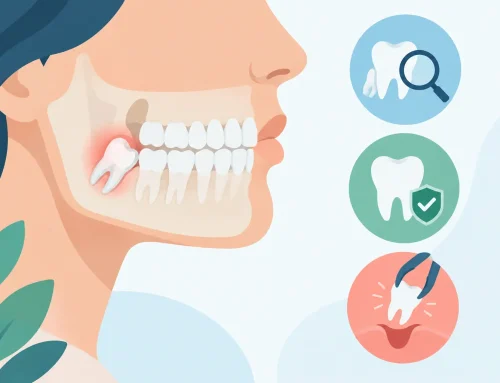
Changes in how your teeth fit together can also matter. If you notice a new gap, shifting teeth, sensitivity near the gumline, or a partial denture that no longer fits as it did before, do not assume it is simply part of getting older. These changes can be connected to loss of gum or bone support.
Certain factors can make gum disease more likely or more difficult to control. These include smoking or vaping, diabetes, dry mouth, some medications, hormonal changes, clenching or grinding, and a family history of periodontal disease. Even patients who brush faithfully can develop gum problems if plaque collects in hard-to-reach areas or if their risk factors are higher.
How Professional Treatment Helps
Treatment is based on the stage and severity of the disease. For gingivitis, a routine professional cleaning and a focused plan for brushing and flossing may be all that is needed. Your hygienist can point out the areas where plaque is building up and suggest practical adjustments that fit your daily routine.
For periodontitis, treatment often begins with scaling and root planing. This deep cleaning removes bacterial deposits from beneath the gumline and smooths the root surfaces so the gums can heal and reattach more closely. Local anesthetic can be used to keep the appointment comfortable.
In some cases, modern technology can be part of treatment. Waterlase laser dentistry may be used for selected periodontal needs to gently address infected tissue and bacteria with precision. The right approach depends on your pocket depths, tissue health, medical history, and goals. A personalized plan is more effective than treating every patient the same way.
After active treatment, periodontal maintenance visits are often recommended more frequently than standard cleanings. Many patients benefit from visits every three or four months rather than every six months. This is not a punishment for having gum disease. It is a preventive strategy that gives your dental team the chance to remove new buildup before the infection has time to cause further damage.
Your Daily Habits Matter More Than You May Think
Professional care begins the healing process, but the results depend on what happens between visits. Plaque starts to form again every day, so gentle, consistent home care is what keeps inflammation from returning.
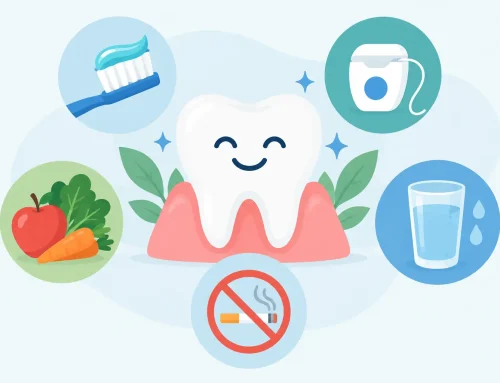
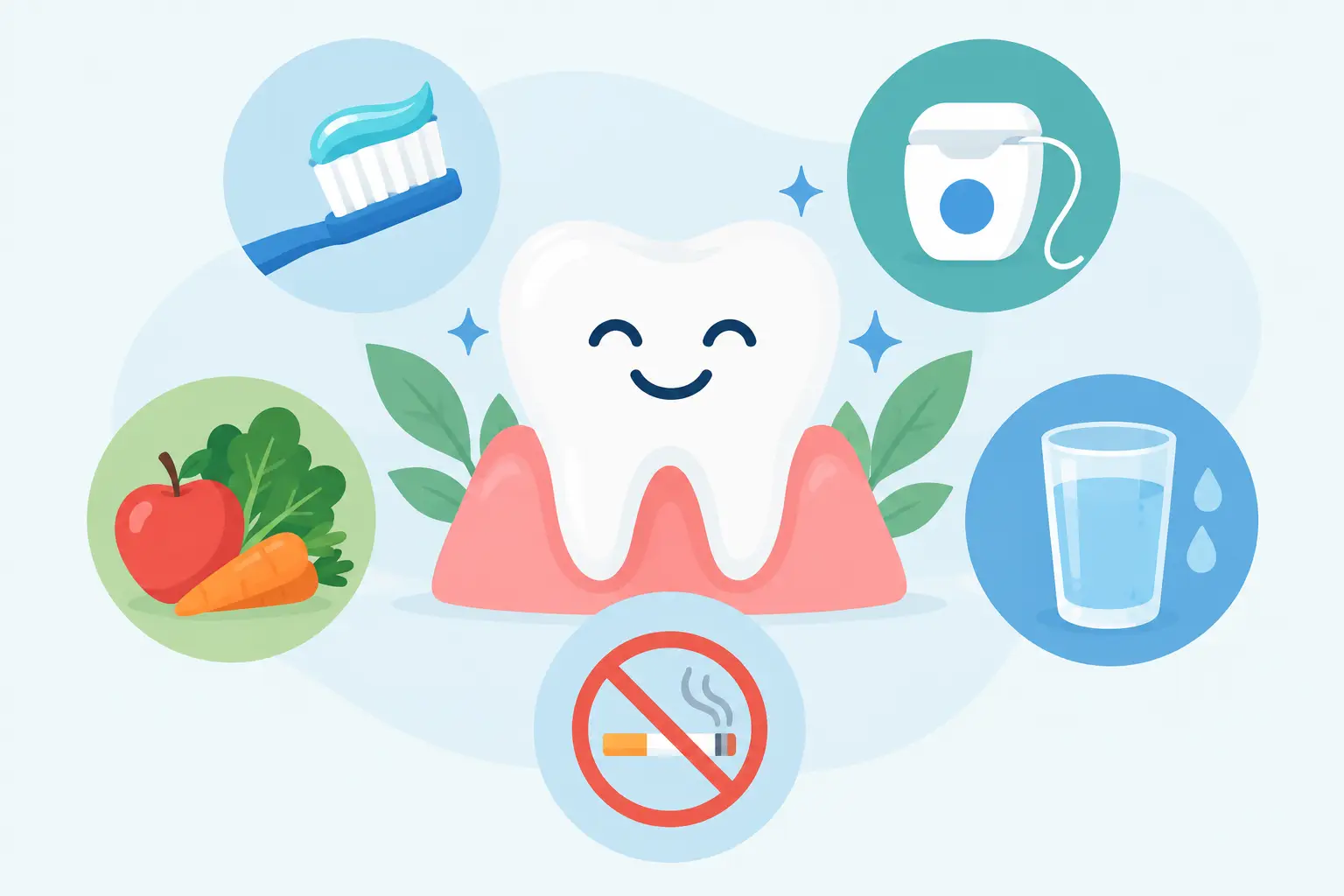
Brush twice daily for two minutes with a soft-bristled toothbrush and fluoride toothpaste. Angle the bristles gently toward the gumline instead of scrubbing hard. Aggressive brushing can irritate the gums and contribute to recession, so more force is not better.
Clean between your teeth once a day. Traditional floss works well for many people, while interdental brushes, water flossers, or floss picks may be easier for others to use consistently. The best tool is one that cleans effectively and that you will actually use every day. If your gums bleed when you begin flossing, continue gently unless your dentist advises otherwise. Bleeding may improve as inflammation decreases.
Lifestyle choices also affect healing. Tobacco use makes gum disease harder to treat and can hide bleeding that would otherwise warn you of a problem. Keeping diabetes well managed, staying hydrated, eating a balanced diet, and wearing a nightguard if you grind your teeth can all support long-term periodontal health.
Can Receding Gums Grow Back?
Gum recession is often associated with gum disease, but it can also result from aggressive brushing, tooth position, grinding, or thin gum tissue. Once gum tissue has receded, it typically does not grow back on its own. Still, treatment can prevent recession from worsening and reduce sensitivity by addressing the cause.
For some patients, gum grafting or other periodontal procedures may be appropriate to cover exposed roots and strengthen vulnerable areas. Not everyone needs surgery. The decision depends on the extent of recession, the stability of the area, sensitivity, esthetic concerns, and the risk of further tissue loss.
A Healthier Next Step Starts With an Exam
Gum disease is common, but it is not something you have to quietly live with. The earlier it is identified, the more likely treatment can be conservative and the more natural tooth structure you can protect. Even if you have been told you have periodontitis, there is meaningful value in treating it now. Controlling the infection can help preserve your teeth, make your mouth feel healthier, and support the long-term success of crowns, implants, bridges, and cosmetic dentistry.
At Finesse Family Dental, patients receive a careful evaluation and a treatment plan built around their needs, comfort, and schedule. If your gums have been bleeding or you have put off a cleaning because you feel anxious, a gentle conversation and a professional exam can be the first reassuring step toward a healthier smile.