A smile can look straight and still feel off when you bite down. If your upper front teeth cover too much of your lower teeth, you may wonder, can Invisalign fix overbite without braces? For many teens and adults, the answer is yes. Clear aligners can often improve a mild to moderate overbite by moving teeth into healthier positions. The right answer for you, however, depends on what is causing the bite problem in the first place.
An overbite is more than a cosmetic concern. When it is significant, it can contribute to uneven tooth wear, sensitivity, gum irritation, difficulty biting into food, and stress on certain teeth. A personalized exam helps determine whether Invisalign is a practical solution and what results you can reasonably expect.
What an Overbite Means
An overbite describes the vertical overlap of the upper front teeth over the lower front teeth. A small amount of overlap is normal. The concern arises when the upper teeth cover too much of the lower teeth, sometimes causing the lower teeth to bite into the roof of the mouth or behind the upper teeth.
People sometimes use “overbite” and “overjet” interchangeably, but they are different. An overjet refers to how far the upper front teeth extend forward horizontally. Some patients have both an excessive overbite and overjet, while others have only one. The distinction matters because each condition may require a different tooth movement strategy.
Overbites can develop for several reasons. Genetics may influence jaw shape and tooth position. Crowding, missing teeth, childhood habits, or teeth that have shifted over time can also affect the bite. That is why two patients with similar-looking smiles may need very different treatment plans.
Can Invisalign Fix an Overbite Caused by Tooth Position?
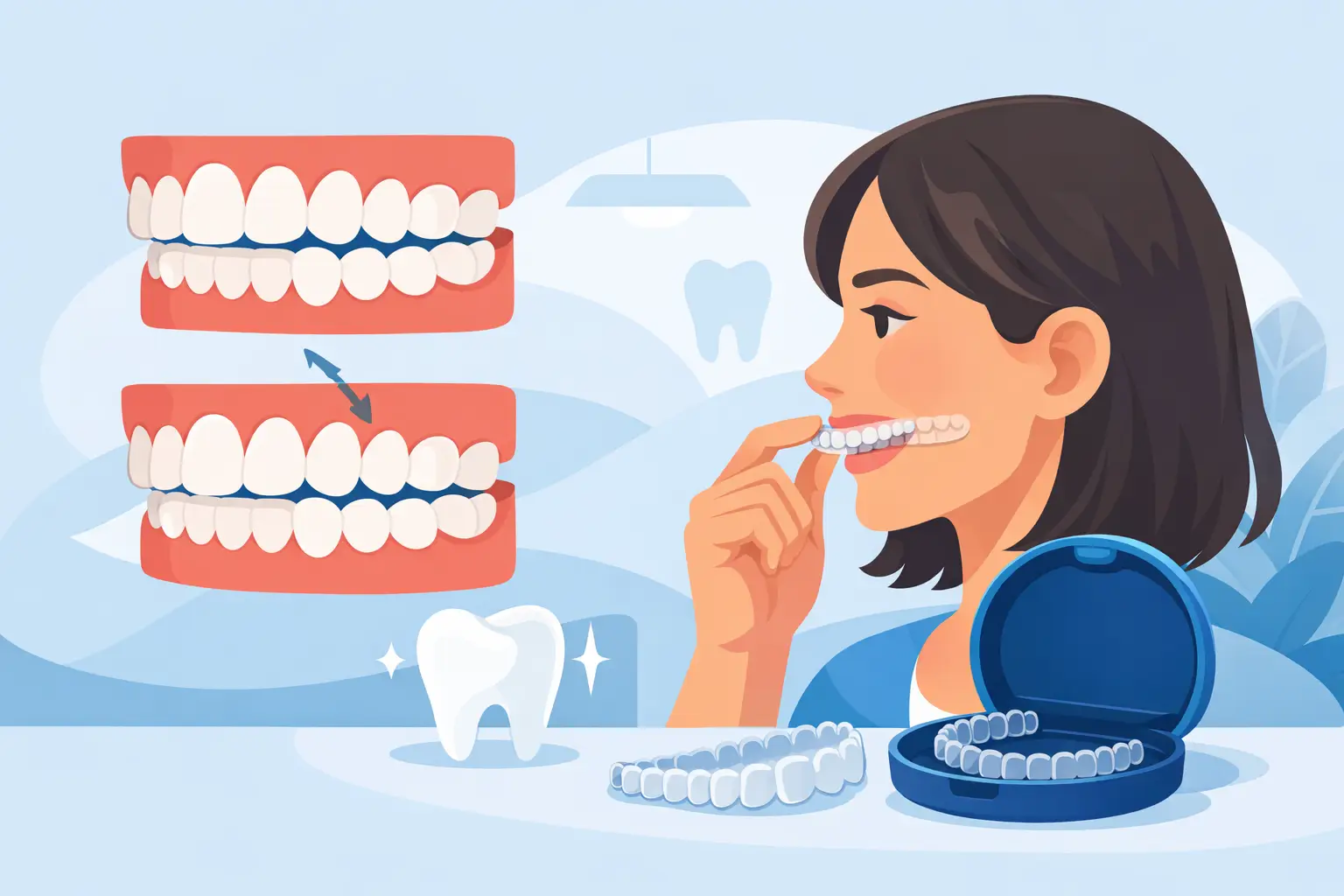
Invisalign can be an effective option when the overbite is primarily related to the position of the teeth. Clear aligners apply controlled pressure over a series of stages, gradually moving teeth into planned positions. Depending on your needs, treatment may involve bringing upper front teeth back, moving lower front teeth forward or upright, correcting crowding, and improving the way the back teeth meet.
For many patients, Invisalign treatment includes small tooth-colored attachments. These are placed temporarily on selected teeth and give aligners a better grip for precise movements. Some overbite cases also benefit from elastics, which connect to small, discreet hooks and help guide the upper and lower teeth into a better relationship.
Another option sometimes used is conservative enamel reshaping between certain teeth, also called interproximal reduction. This creates a very small amount of space when needed to relieve crowding or make room for planned movements. It is not necessary for everyone, and it should only be recommended after careful evaluation.
Clear aligners are especially appealing to busy Fremont-area adults who want orthodontic treatment without the appearance of brackets and wires. They are removable for meals and brushing, which can make daily hygiene easier. The key is wearing them consistently, usually 20 to 22 hours a day. Aligners that spend too much time in their case cannot move teeth as planned.
When Invisalign May Not Be Enough for an Overbite
The most important question is not simply whether you have an overbite. It is whether the issue is dental, skeletal, or a combination of both.
A dental overbite is mainly caused by tooth positions. These cases often respond well to Invisalign or other orthodontic treatment. A skeletal overbite involves the size or relationship of the upper and lower jaws. For example, a lower jaw that sits significantly farther back may create a deep overbite that clear aligners alone cannot fully correct in an adult.
In more complex cases, Invisalign may still improve the appearance and function of the bite, but there may be limits to what can be accomplished without additional treatment. This could include braces, restorative dentistry, tooth removal in select situations, or jaw surgery for severe jaw discrepancies. Surgery is not common for routine overbite concerns, but it may be discussed when jaw structure is the primary issue and a patient wants the most comprehensive correction.
Children and growing teens are evaluated differently because their jaws are still developing. Early orthodontic guidance can sometimes influence growth and create space for permanent teeth. Adults can achieve excellent smile and bite improvements too, but adult jawbones are no longer growing, so treatment focuses on moving teeth within the existing jaw structure.
What Happens During an Invisalign Overbite Evaluation?
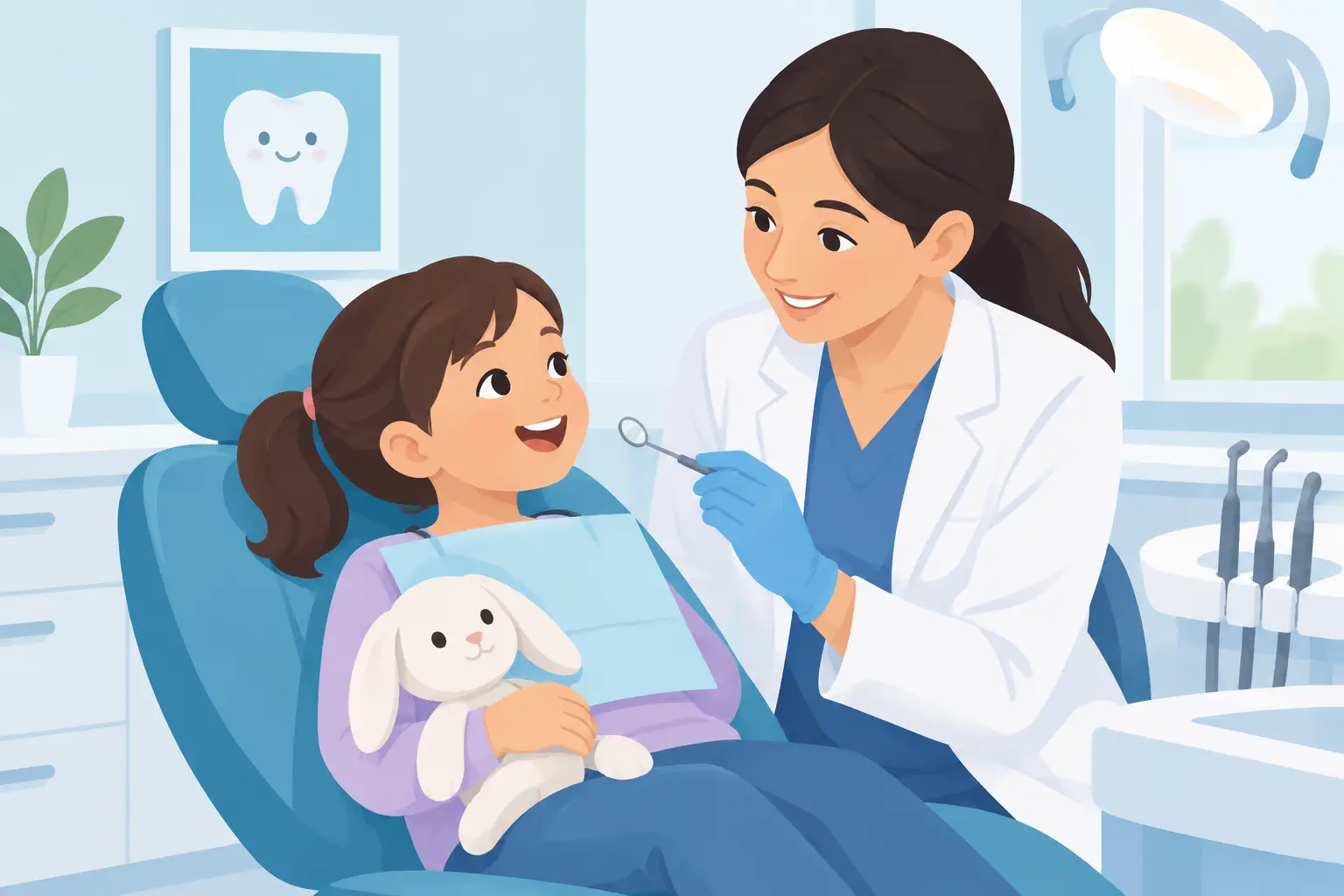
A good Invisalign consultation should feel clear, not rushed. Your dentist will examine your teeth, bite, gums, jaw function, and existing dental work. Digital scans, photographs, and X-rays may be used to evaluate root positions, bone support, and the way your teeth come together.
This evaluation is also a chance to discuss concerns that may be connected to your bite. Do you chip your front teeth? Do your gums feel sore behind the upper teeth? Are you noticing crowding, shifting, or difficulty cleaning certain areas? Your goals matter, whether you are focused on comfort, long-term oral health, a more balanced smile, or all three.
At Finesse Family Dental, Invisalign planning is approached as part of your overall oral health, not as a one-size-fits-all cosmetic service. Before moving teeth, it is important to address active cavities, untreated gum disease, or other conditions that could affect treatment. Healthy gums and a stable foundation give orthodontic care its best chance of lasting well.
If you are a candidate, your digital treatment plan maps out the intended tooth movements and estimated number of aligners. You will also learn whether attachments, elastics, or other supporting steps are likely to be part of your care. The treatment preview is helpful, but it is still a clinical plan, not a promise that every tooth will respond identically. Teeth can move at different rates, and refinements are sometimes needed near the end to fine-tune the result.
How Long Does Invisalign Take for an Overbite?
Treatment time varies with the complexity of the bite and how reliably aligners are worn. A straightforward case may take several months, while a more involved overbite correction can take 12 to 24 months or longer. Patients generally change to a new set of aligners on a schedule determined by their dentist, often every one to two weeks.
Regular progress visits matter, even when treatment is largely managed with removable aligners. These appointments allow your dentist to confirm that teeth are tracking properly, answer questions, and make adjustments when needed. They are also a useful reminder to keep routine hygiene visits on schedule. Orthodontic treatment works best when teeth and gums are cared for throughout the process.
Discomfort is usually mild and temporary. A new aligner may create pressure for the first day or two, which is a sign that it is working. Sharp edges, irritation, or an aligner that does not fit fully should be addressed promptly rather than ignored.
Keeping Your Corrected Bite Stable
Finishing Invisalign is a milestone, but retainers protect the work that got you there. Teeth naturally tend to shift over time, especially in the lower front teeth. Wearing retainers as directed helps preserve your improved bite and smile.
Some patients also need additional dental care after orthodontics. Whitening may be a nice finishing touch for a brighter smile. Worn, chipped, or uneven teeth may benefit from bonding, veneers, or restorative treatment once their positions are corrected. Planning these services in the right order can help create a more natural and durable result.
If you are concerned about an overbite, there is value in getting a professional opinion before assuming braces, surgery, or no treatment are your only choices. A thoughtful Invisalign evaluation can show what is possible for your teeth, your comfort, and your goals – and give you a practical next step toward a healthier bite.