A smile makeover is not one treatment or one “perfect” look. It is a personalized plan that may address tooth color, shape, spacing, alignment, worn edges, missing teeth, and the health of the gums that frame your smile. This guide to smile makeovers can help you understand the options, ask better questions, and choose a plan that feels right for your goals, timeline, and comfort.
For many patients, the first concern is simple: “I want to smile without thinking about my teeth.” The best cosmetic dentistry starts there. Rather than pushing a single procedure, a careful dentist looks at what is bothering you, what is healthy now, and what will create a natural result that still looks like you.
Start With a Healthy Foundation
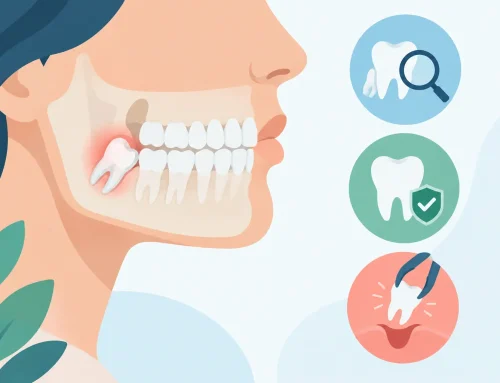
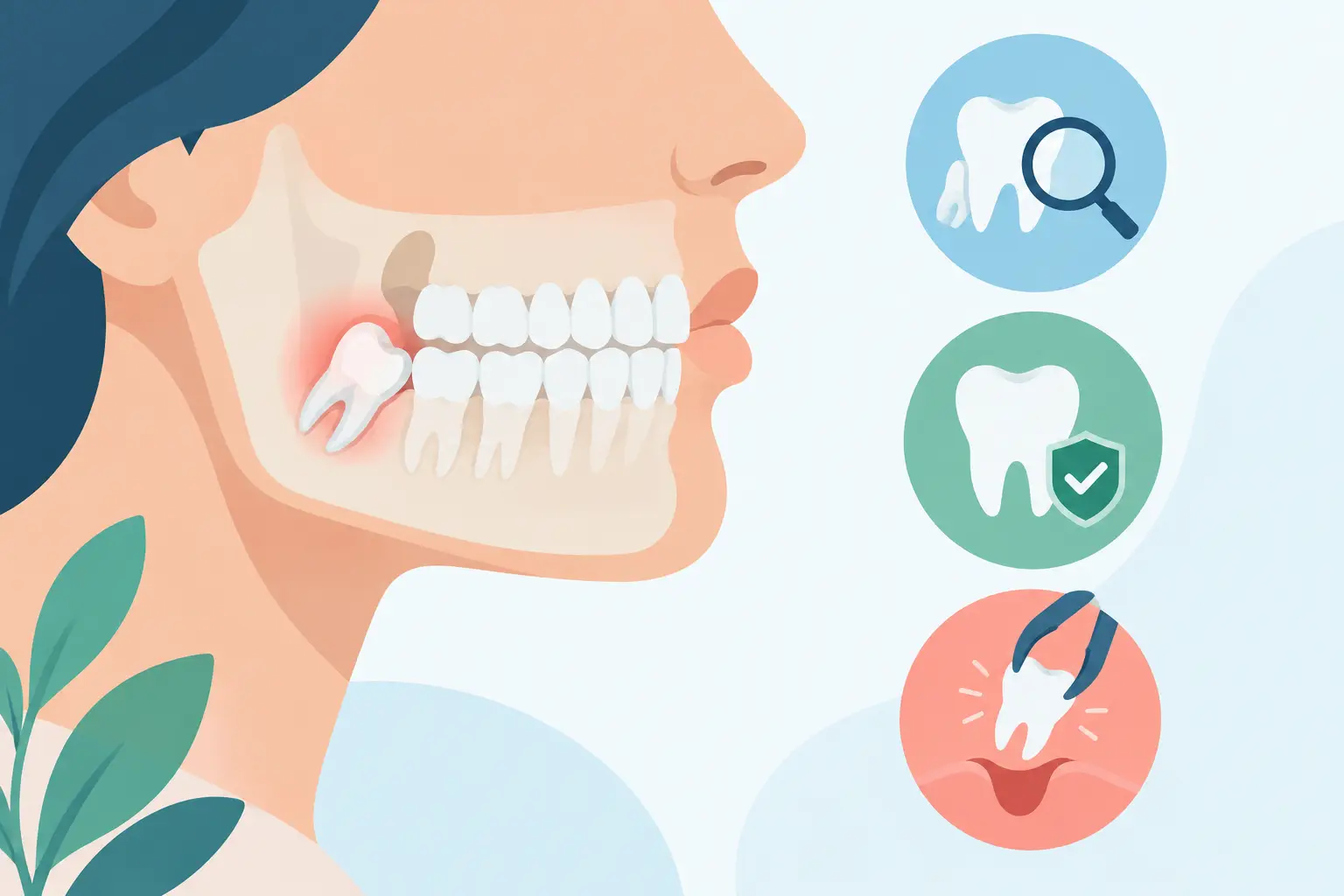
A beautiful smile needs healthy teeth and gums underneath it. Before cosmetic treatment begins, your dentist should check for cavities, gum inflammation, worn or cracked teeth, bite concerns, and signs of infection. Treating these issues first helps protect your investment and prevents a cosmetic concern from hiding a more serious dental need.
For example, gums that bleed easily or appear swollen may need periodontal care before veneers or whitening. A tooth with a large old filling may be better protected with a crown than covered with a thin cosmetic restoration. If teeth are moving because of gum disease or missing teeth, restoring stability matters before focusing on appearance.
This is also why a smile makeover should not be rushed. A thoughtful plan considers the function of your bite, how much enamel is available, and how your teeth will hold up over time. Cosmetic changes should feel good when you chew, speak, and smile, not just look good in a photograph.
Guide to Smile Makeovers: Common Treatment Options
Most smile makeovers combine one or more treatments. The right mix depends on whether your main concern is color, alignment, tooth shape, damage, or missing teeth.
Professional teeth whitening
Professional whitening can brighten teeth affected by coffee, tea, wine, tobacco, and natural aging. It is often the most conservative way to refresh a smile because it does not change the tooth structure. Whitening works best on natural enamel, though it will not lighten crowns, veneers, bonding, or fillings.
That limitation is important when planning other cosmetic work. If you may replace visible restorations, whitening first can help your dentist match new crowns or veneers to your preferred shade. Some patients experience temporary sensitivity, but a dentist can recommend options that make treatment more comfortable.
Invisalign and orthodontic treatment
Clear aligners can improve crowded, crooked, gapped, or shifted teeth. Straightening teeth first may reduce the amount of bonding or veneer work needed later, which can preserve more natural tooth structure. It may also make brushing and flossing easier.
Aligners require consistency. They are removable, but they need to be worn as directed to stay on schedule. For patients with complex bite issues, a different orthodontic approach or a combination of treatments may be recommended.
Veneers and cosmetic bonding
Veneers are custom porcelain shells placed on the front surfaces of teeth to improve color, shape, proportion, and minor spacing concerns. They can be a strong choice for teeth that are permanently stained, chipped, uneven, or worn. Porcelain resists staining well and can create a refined, natural-looking finish when designed thoughtfully.
Cosmetic bonding uses tooth-colored material to repair chips, close small gaps, or reshape a tooth. It is generally more conservative and often less expensive than veneers, but it may stain or chip more easily over time. The better option depends on how many teeth are involved, how much change you want, your bite, and your long-term maintenance preferences.
Crowns, inlays, and full-mouth rehabilitation
When a tooth is weak, heavily filled, fractured, or worn down, a crown or inlay may provide both cosmetic improvement and needed protection. These restorations are not simply cosmetic covers. They are designed to restore strength and support comfortable chewing.
Patients with extensive wear, multiple failing restorations, or bite problems may need a more comprehensive plan, sometimes called full-mouth rehabilitation. This can involve rebuilding teeth gradually to restore function, comfort, and appearance. It takes more planning than whitening or veneers, but it can be life-changing for someone who has avoided smiling or struggled to eat comfortably.
Dental implants, bridges, and dentures
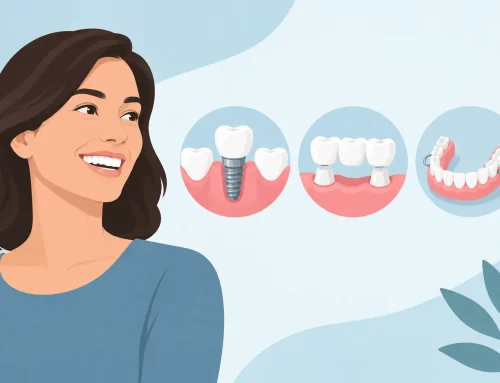
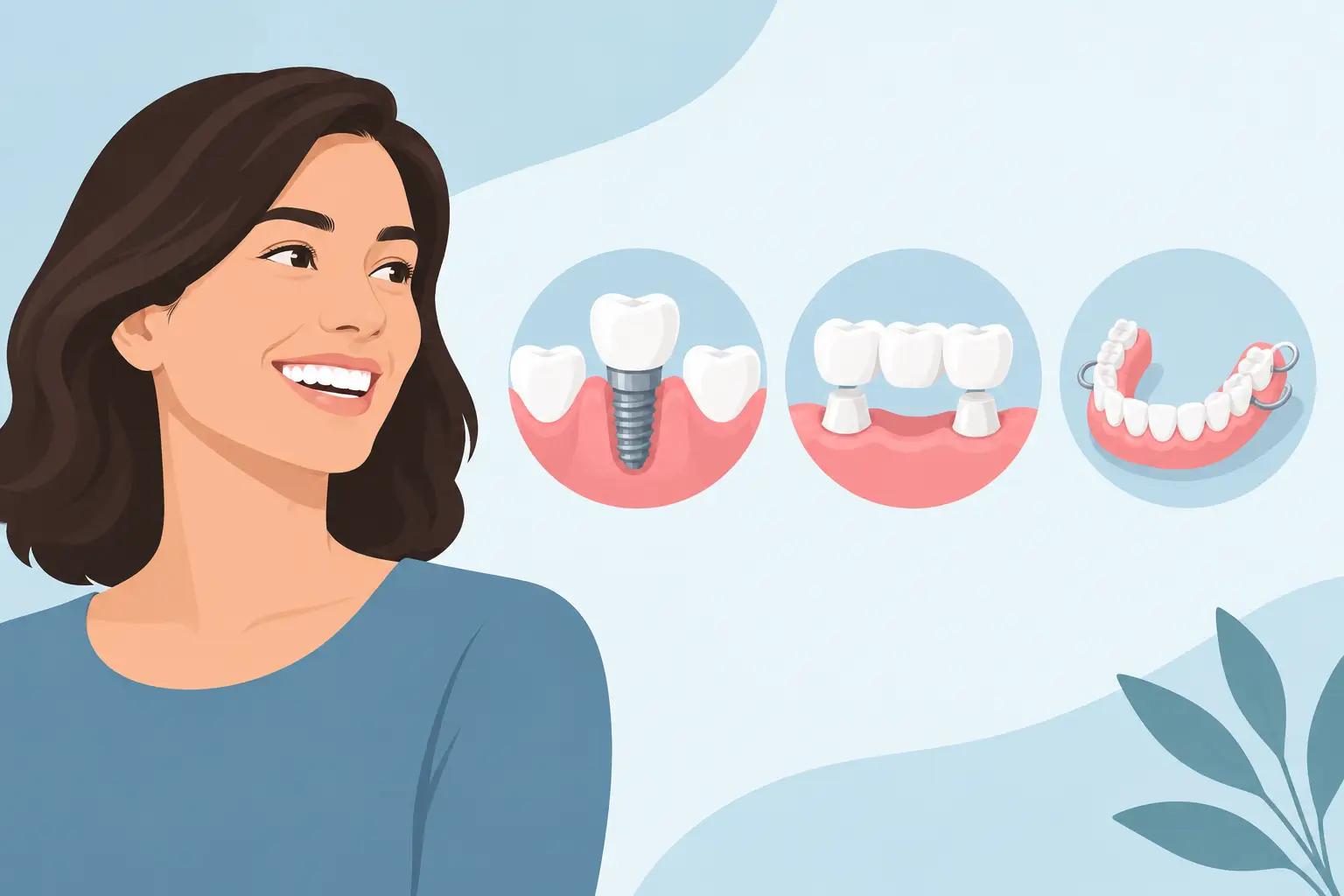
A missing tooth affects more than a smile. It can change how you chew, allow nearby teeth to shift, and contribute to bone loss in the jaw. Dental implants replace the tooth root and support a crown, offering a stable, natural-feeling option for many patients. Bridges and dentures can also be appropriate depending on the number of missing teeth, bone health, medical history, and budget.
There is no one-size-fits-all answer. Implant treatment can take several months because healing is part of the process. A bridge may be completed more quickly in some cases, while dentures can be a practical solution for broader tooth loss. A clear consultation should explain the benefits, limitations, expected timeline, and maintenance for each choice.
How Your Smile Makeover Is Planned
A good cosmetic consultation begins with a conversation, not a sales pitch. Be ready to describe what you notice in photos, what makes you hesitate to smile, and whether you want a subtle refresh or a more dramatic change. Bringing a photo of a smile you like can be helpful, but it should be used as inspiration rather than a blueprint. Facial shape, lip movement, tooth proportions, and natural coloring are different for every person.
Your dentist may take digital images, X-rays, impressions or scans, and evaluate your bite. Together, you can discuss shade, tooth length, symmetry, and how much of the teeth show when you smile. The goal is not identical teeth. Natural smiles have small variations, and an overly white or overly uniform result may not fit your features.
Ask about the order of treatment. In many cases, hygiene care and gum treatment come first, followed by orthodontics or whitening, then restorations such as bonding, veneers, crowns, or implants. Planning the sequence carefully avoids replacing cosmetic work unnecessarily later.
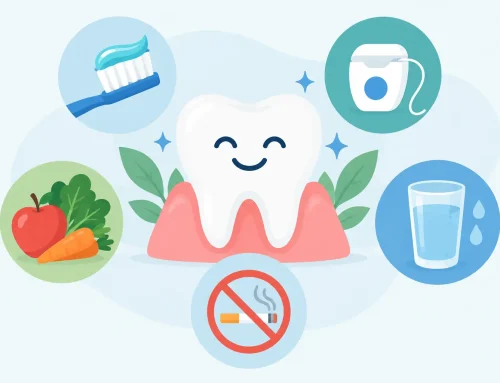
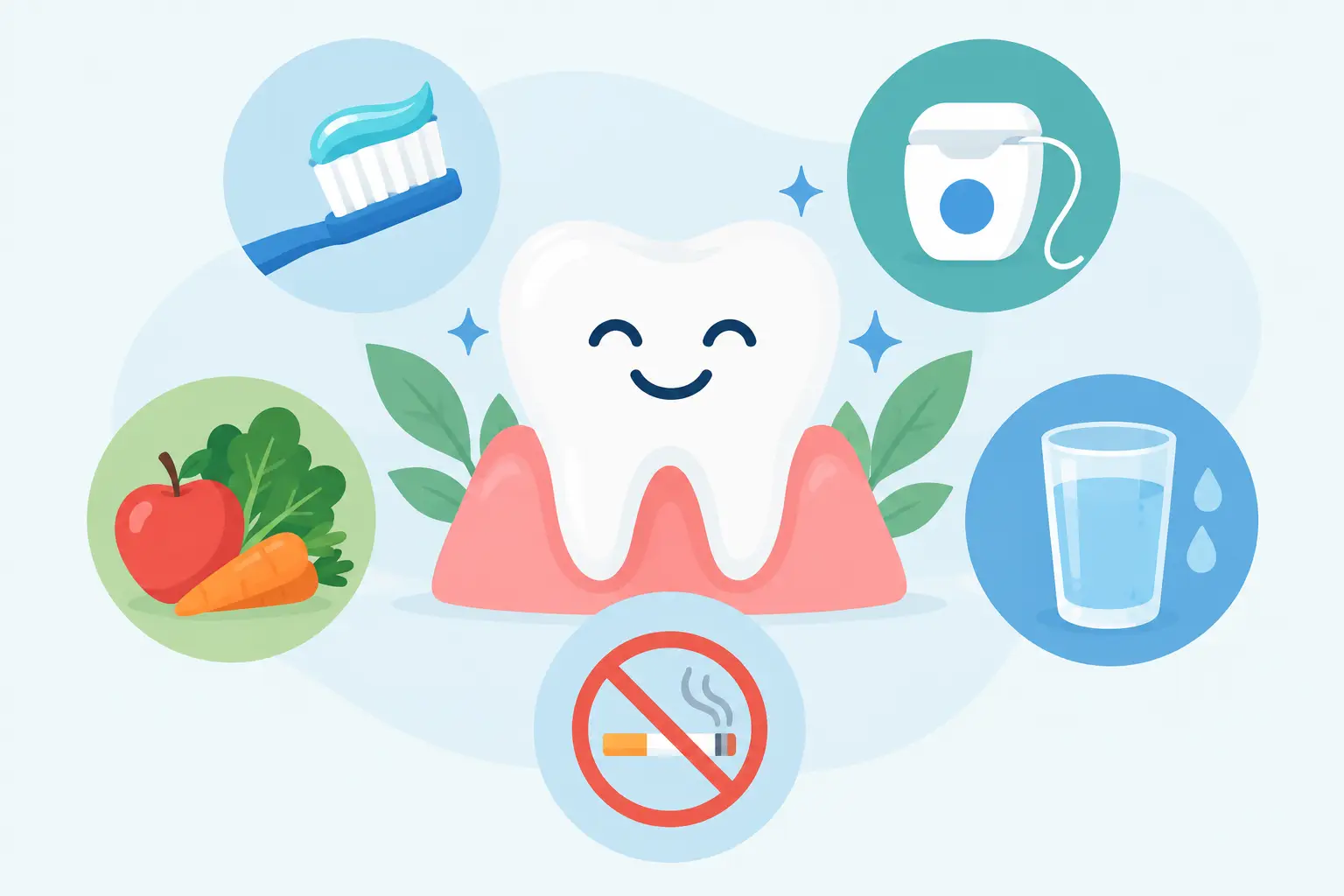
You should also ask what maintenance looks like. Veneers and crowns are durable but not indestructible. Nightguards may be recommended for grinding or clenching. Regular cleanings, gentle brushing, flossing, and routine exams protect both natural teeth and cosmetic restorations. Avoiding habits such as chewing ice, opening packages with teeth, or biting hard objects also helps preserve results.
Balancing Budget, Time, and Long-Term Value
Smile makeover costs vary widely because every plan is different. Whitening may be completed relatively quickly, while Invisalign, implant treatment, or full-mouth rehabilitation may require months of phased care. Some restorative procedures may be partly covered by PPO dental insurance when they are needed to repair damage or restore function, while elective cosmetic services are often not covered.
The most useful question is not simply, “What is the cheapest option?” It is, “What is the most appropriate option for my goals and oral health?” A lower upfront cost can be appealing, but repeated repairs or treatment that does not address a bite problem may cost more over time. On the other hand, not every patient needs an extensive plan. Sometimes whitening, bonding, and consistent preventive care are enough to make a meaningful difference.
At Finesse Family Dental, patients can discuss cosmetic and restorative choices in the context of their overall oral health, with many services available in one familiar office. That continuity can make the process easier, especially when a plan involves more than one type of treatment.
Feeling Comfortable During Cosmetic Care
Dental anxiety should never keep you from pursuing a healthier, more confident smile. Tell your dental team if you have had difficult experiences, feel nervous about injections, worry about discomfort, or need appointments that fit a busy work and family schedule. Modern techniques, clear communication, and a gentle approach can make a significant difference.
A trustworthy provider will explain what is happening before treatment begins, check in with you during the appointment, and give practical aftercare instructions. You deserve time to make decisions without pressure and a plan that respects both your comfort and your priorities.
The right smile makeover does more than change teeth. It gives you a smile that feels healthy, functional, and genuinely your own – one you can share at family gatherings, work meetings, and everyday moments without holding back.