That sharp jolt when you sip iced water, breathe in cool air, or bite into something sweet can turn small everyday moments into something you brace for. If you are asking what causes tooth sensitivity, the answer is often that a protective layer of your tooth or gum tissue has changed, exposing areas that react more strongly to temperature, pressure, or certain foods.
Sensitivity is common, but it is not something you simply have to live with. Sometimes it is related to brushing habits or whitening treatments; other times, it is an early sign of decay, a cracked tooth, gum disease, or a dental restoration that needs attention. A dental exam can identify the cause and help you choose the most conservative, comfortable solution.
What Causes Tooth Sensitivity?
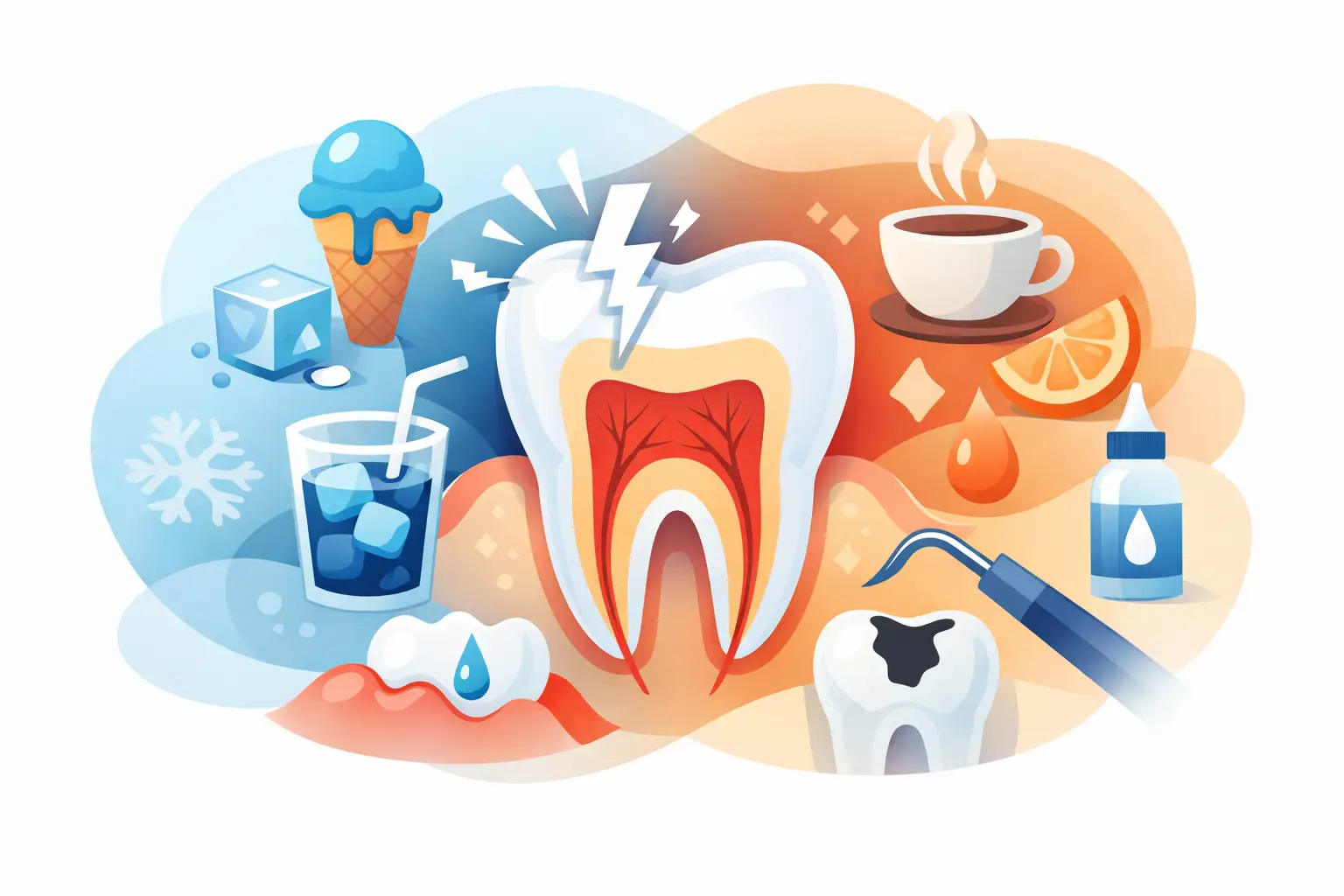
Each tooth has a hard outer layer called enamel. Below the gumline, the root is protected by a thinner material called cementum. Under both is dentin, a layer with tiny channels leading toward the tooth’s nerve. When enamel wears down, a root becomes exposed, or a tooth develops a defect, cold, heat, sweetness, acidity, or pressure can travel through those channels and trigger discomfort.
The feeling may be quick and mild, or it may be sharp enough to make you avoid part of your smile. The pattern matters. Sensitivity that affects several teeth after whitening may have a different cause than a sudden, lingering ache in one tooth.
Enamel wear and acidic foods
Enamel is remarkably strong, but it can gradually soften and wear away. Frequent exposure to acidic drinks and foods, including soda, sports drinks, citrus, wine, and sour candies, can contribute. Acid reflux can also expose teeth to stomach acid, sometimes causing wear on the inside surfaces of the teeth where it is less noticeable.
Grinding, clenching, and aggressive brushing may accelerate that wear. Many people believe a firm hand and a hard-bristle brush mean a cleaner mouth, but excessive pressure can wear enamel near the gumline and irritate the gums. A soft-bristle toothbrush and gentle, small circular motions are usually the better choice.
Gum recession and periodontal disease
When gums pull back from the teeth, they can expose sensitive root surfaces. Recession may occur from periodontal disease, brushing too hard, naturally thin gum tissue, tobacco use, teeth that are out of alignment, or long-term clenching. It can also happen gradually with age.
Gum disease deserves particular attention because it may not be painful in its early stages. Bleeding while brushing, persistent bad breath, swollen gums, and teeth that appear longer are reasons to schedule an evaluation. Treating gum inflammation early can help protect both your comfort and the foundation supporting your teeth.
Cavities, leaking fillings, and damaged restorations
Tooth decay creates an opening in the enamel that allows stimuli to reach the inner layers of the tooth more easily. A cavity may cause sensitivity to sweets, cold drinks, or biting, although early decay can be symptom-free. A worn, cracked, or leaking filling can create similar symptoms.
Crowns, veneers, and other restorations are designed to protect and strengthen teeth, but they still need regular monitoring. The issue may be as simple as a restoration that needs adjustment, or it may require repair or replacement. Addressing it promptly can often prevent a more extensive problem.
Cracks, fractures, and bite pressure
A cracked tooth can be difficult to spot because discomfort may come and go. You may feel pain when releasing your bite after chewing, especially on firm foods, or notice sensitivity when the tooth is exposed to cold. Cracks can result from grinding, chewing ice or hard foods, an old large filling, injury, or normal stress on a weakened tooth.
Not every crack requires the same treatment. A small surface craze line may be primarily cosmetic, while a deeper crack may need a crown to hold the tooth together. If the crack reaches the nerve, root canal treatment may be recommended to relieve pain and preserve the tooth whenever possible.
Whitening-related sensitivity
Professional and over-the-counter whitening products can temporarily make teeth more sensitive. Whitening ingredients move through enamel to break up stains, and some people experience short-lived sensitivity while this happens. The risk can increase if trays do not fit well, gel is used too frequently, or a person already has exposed roots, cavities, or gum irritation.
This does not automatically mean whitening is off limits. It means your treatment should fit your oral health and your goals. A dentist can check for concerns before whitening and recommend a pace or product that is more comfortable for your smile.
Recent dental treatment
It is normal for a tooth to feel temporarily sensitive after certain procedures, such as a filling, crown placement, deep cleaning, or whitening. The tooth and surrounding tissue may need time to settle, particularly after treatment for a deep cavity.
However, pain that is worsening, lasts longer than expected, wakes you up, or makes it hard to bite should be assessed. A filling that sits slightly high can make a tooth sore under pressure, and a deeper nerve issue may need further care.
The Clues That Help Identify the Cause
Paying attention to what triggers sensitivity can help your dental team narrow down the problem. Cold sensitivity that disappears quickly may be linked to exposed dentin, while lingering pain after a cold drink can suggest inflammation inside the tooth. Sensitivity to heat, pain when biting, or pain that occurs without a trigger should never be ignored.
It is also useful to notice whether the discomfort comes from one specific tooth or several areas. Generalized sensitivity is often connected to enamel wear, recession, brushing habits, or whitening. A single sensitive tooth is more likely to point to a cavity, crack, failing restoration, or localized gum problem. These are general patterns, not a diagnosis, which is why an exam and X-rays may be recommended.
What You Can Do Before Your Appointment
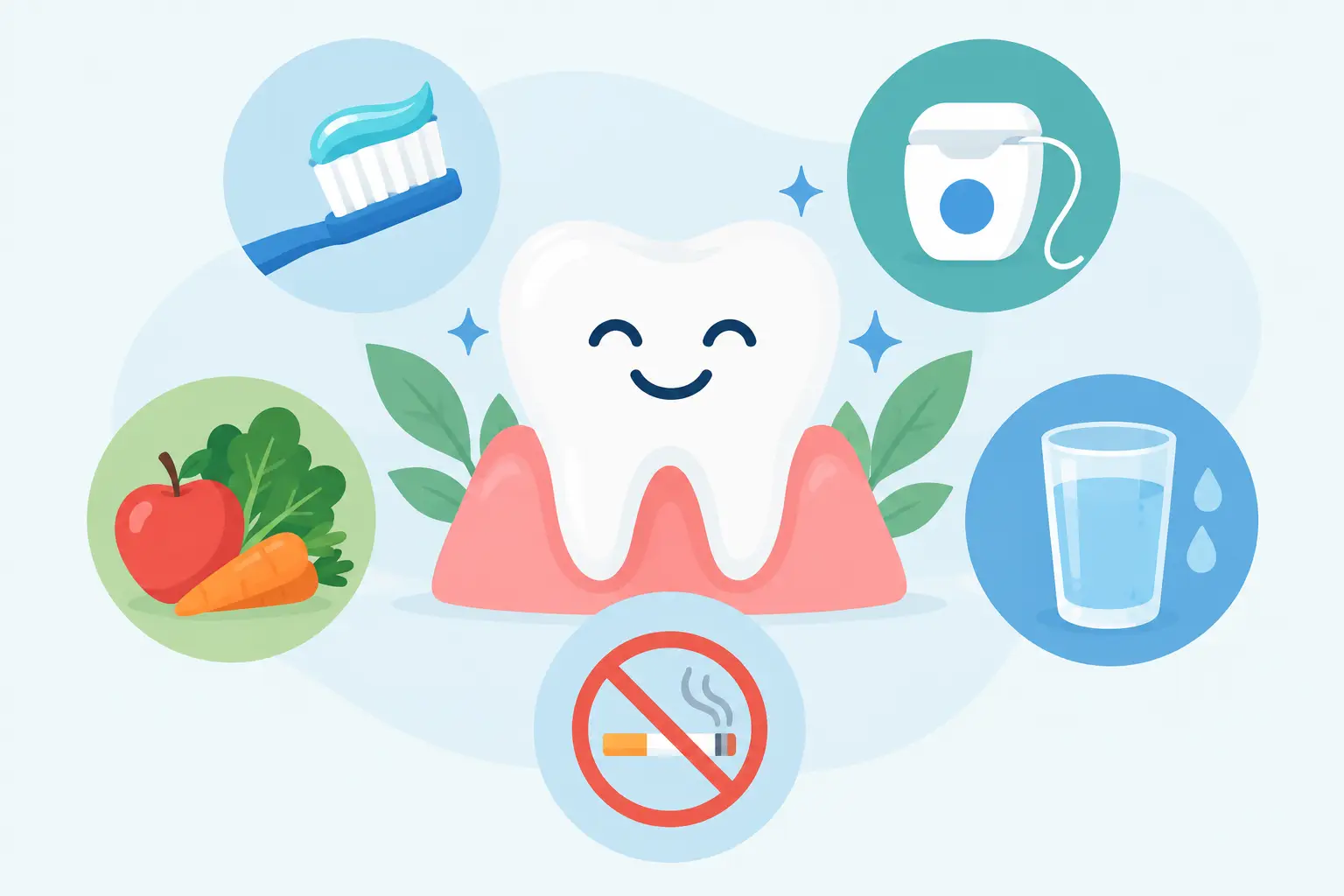
Choose a toothpaste made for sensitive teeth and use it consistently. These toothpastes can help block the pathways that carry sensations toward the nerve, but they usually need several weeks of regular use. Spit after brushing rather than rinsing thoroughly so the active ingredients can remain on the teeth longer.
Use a soft toothbrush with light pressure, and wait about 30 minutes to brush after acidic foods or drinks. Brushing immediately after acid exposure can scrub softened enamel more aggressively. Drinking water after coffee, citrus, or soda can also help rinse acids away.
If you clench or grind your teeth, especially at night, mention it at your appointment. A custom night guard may help protect teeth from further wear and reduce pressure on a vulnerable tooth. Avoid chewing ice, hard candy, popcorn kernels, and other hard items if a tooth already hurts when you bite.
These measures can reduce symptoms, but they do not repair a cavity, seal a crack, or reverse active gum disease. Do not place aspirin on a tooth or gum tissue. It can burn the tissue and will not treat the source of the pain.
When Tooth Sensitivity Needs Prompt Care
Call a dentist promptly if sensitivity becomes severe, lasts longer than a few seconds after cold or heat, or is accompanied by swelling, fever, a bad taste, facial swelling, or a visible chip or crack. Pain when biting, a darkened tooth, or a tooth that feels loose also deserves timely attention.
For Fremont families, a comfortable visit can begin with a simple conversation about what you are feeling and what makes dental care stressful for you. At Finesse Family Dental, the goal is to identify the reason behind the sensitivity with careful, personalized care, then explain your options clearly so you can move forward with confidence.
A sensitive tooth is your smile’s way of asking for attention. With an early evaluation and the right treatment, you can get back to enjoying hot coffee, cold water, and everyday meals without waiting for the next sharp twinge.