A missing tooth can affect more than the way a smile looks. It can change how comfortably you eat, how clearly you speak, and how neighboring teeth function over time. Many patients ask, “does ppo dental insurance cover implants?” The answer is often yes, but usually only in part. Your specific plan, benefit limits, timing, and the parts of treatment it recognizes all affect what you pay.
Does PPO Dental Insurance Cover Implants? Usually, Partly
PPO dental plans commonly provide some benefit for implants, especially when they are categorized as a major restorative service. However, dental insurance is designed to help with care, not necessarily to pay the full cost of a complex tooth replacement. Even a plan that includes implant coverage may pay a percentage of eligible charges after your deductible has been met.
Coverage levels vary widely. One plan may cover 50% of an implant-related procedure, while another may exclude the implant fixture but contribute toward the crown placed on top of it. Some policies only cover a less expensive alternative, such as a bridge or removable denture, and apply that lower benefit toward your treatment. This is often called an alternate benefit provision.
That is why an implant benefit listed in a plan brochure should be treated as a starting point, not a final estimate. A careful review of your actual benefits gives a much clearer picture before treatment begins.
Why an Implant Is More Than One Insurance Procedure
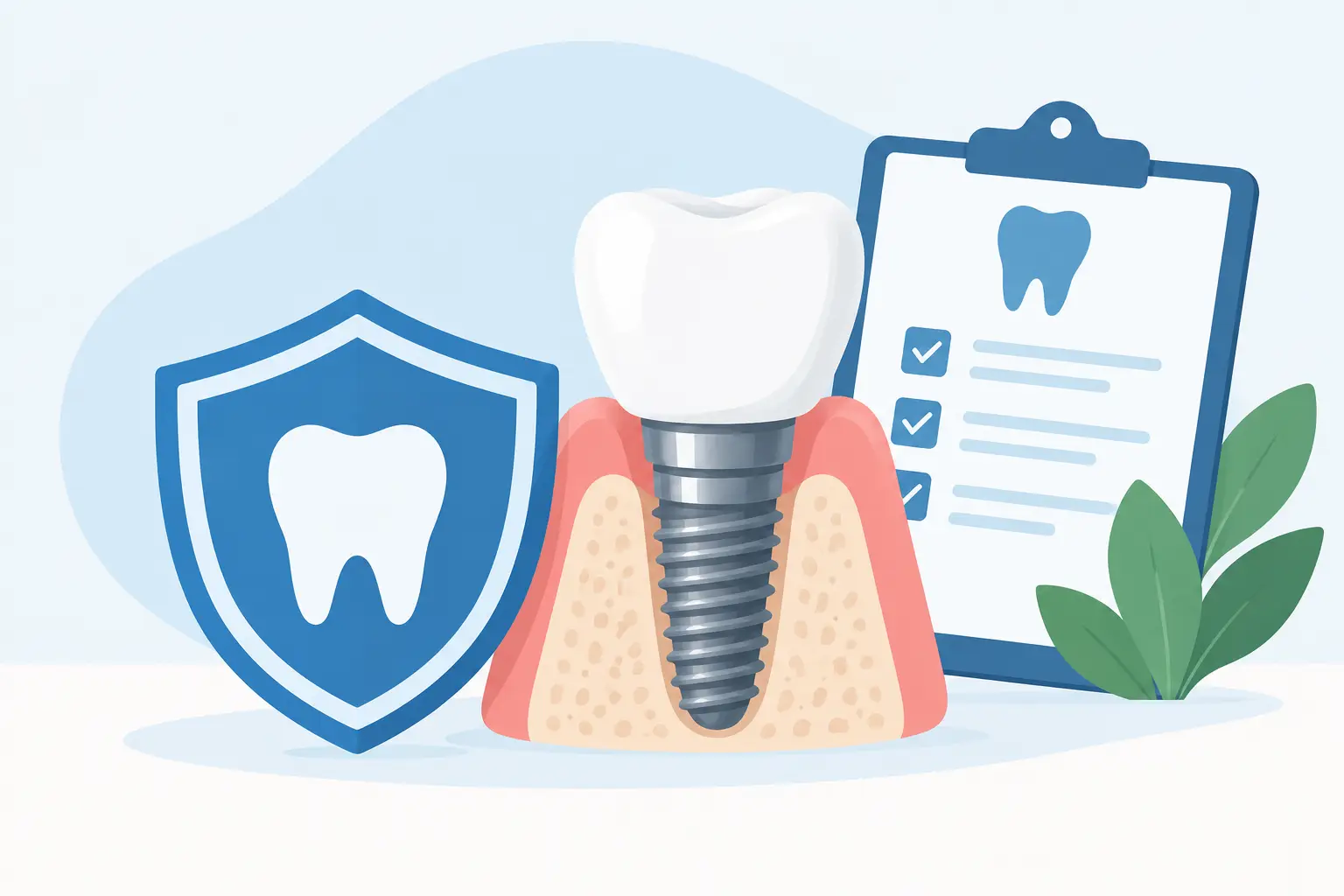
An implant replaces a missing tooth in stages. The implant fixture is the small post placed in the jawbone. After it has integrated with the bone, an abutment connects the implant to the final restoration, usually a custom crown. Depending on your needs, treatment may also include an exam, digital imaging, extraction, bone grafting, or gum treatment.
Insurance may evaluate each of these services separately. A plan could contribute toward the crown but not the surgical placement of the implant. Another might cover the extraction but exclude bone grafting, even when grafting is clinically needed to create a stable foundation.
This is one reason two people with “PPO implant coverage” can have very different out-of-pocket costs. The exact procedure codes, clinical needs, annual plan maximum, and contract language all matter. Your dentist can create a treatment plan that reflects your mouth and your goals, then help submit the information needed for a benefit estimate.
The Crown May Have Different Coverage Than the Implant
A crown supported by an implant is still a dental crown, but it is not always covered the same way as a crown placed over a natural tooth. Some plans cover both under major services. Others limit or exclude implant-supported crowns.
There can also be replacement limitations. If an old crown, bridge, denture, or implant restoration was replaced recently, your insurer may deny a new benefit until a stated number of years has passed. Those rules are specific to each policy, so it is wise to check them before scheduling treatment.
The Four Plan Details That Shape Your Cost
When reviewing a PPO plan, focus on the details that have the biggest effect on your financial responsibility.
First, look for an implant exclusion or limitation. Some plans clearly state that implants are covered; others exclude them altogether or only cover them when certain conditions are met. A missing tooth clause may also affect benefits. For example, a plan may not pay to replace a tooth that was missing before your coverage began.
Second, check your annual maximum. This is the most your dental plan will pay toward covered care during a benefit year. Many plans have annual maximums that can be reached quickly with implant treatment, even when the plan covers a percentage of the procedure. The remaining balance is your responsibility.
Third, confirm whether a waiting period applies. If you recently enrolled in a new plan, major services may not be covered for six, 12, or more months. Preventive visits may be available right away, but implant-related benefits may not be.
Finally, ask whether your dentist is in network. PPO plans usually allow you to see dentists outside the network, but your benefit may be higher with a participating provider and your out-of-pocket costs may be more predictable. Network status is helpful information, but it does not replace a review of your specific plan benefits.
Deductibles and Annual Maximums Work Differently
These two terms are easy to confuse. Your deductible is the amount you pay before your dental plan begins contributing to certain services. It is often waived for preventive care but may apply to restorative and surgical treatment.
Your annual maximum is the plan’s yearly payment ceiling. Once the insurer has paid that amount, it generally will not contribute more until the next benefit period begins. Your dental needs do not pause when a calendar year ends, so the timing of treatment should always be based on your health first. Still, when clinically appropriate, phased implant treatment may allow benefits to be used across two plan years.
For example, a patient may need an extraction and bone graft before implant placement. Healing takes time, so the final implant crown may naturally fall in a later benefit year. In other cases, delaying treatment solely to maximize insurance is not the best choice. A missing tooth can allow nearby teeth to shift, and untreated infection or gum disease needs timely care.
How to Get a More Accurate Estimate Before Treatment
The most reliable next step is to have your dental office verify benefits and submit a pre-treatment estimate, sometimes called a predetermination, when appropriate. This lets the insurance company review the proposed services before treatment starts and indicate its expected payment.
A predetermination is not a guarantee of payment. Eligibility can change, claims can be affected by plan limitations, and insurers make the final decision after treatment is completed and the claim is processed. Even so, it is a valuable planning tool that helps reduce surprises.
Bring your insurance card to your visit and let the office know if your coverage recently changed. A complete examination and appropriate imaging are also essential. Insurance can only be evaluated accurately once the dentist understands whether you need a straightforward single-tooth implant or additional care such as grafting, periodontal treatment, or a full-mouth rehabilitation plan.
At Finesse Family Dental, patients can discuss both the clinical and financial side of implant treatment in a calm, personal setting. The goal is not to push a one-size-fits-all solution. It is to explain what your smile needs, what your PPO plan may contribute, and what options make sense for your comfort and budget.
When Insurance Does Not Cover the Full Implant Cost
Partial coverage does not mean an implant is out of reach. Many patients combine their insurance benefit with personal savings, a health savings account or flexible spending account when eligible, or payment options available through the dental office. The right approach depends on your treatment timeline and financial preferences.
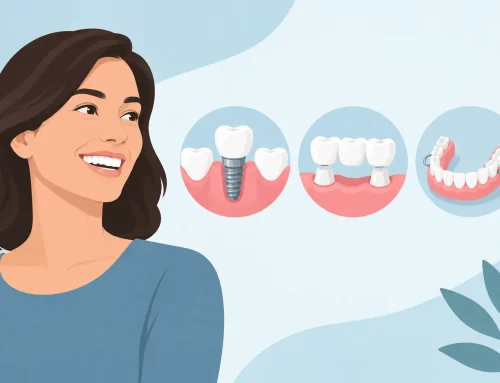
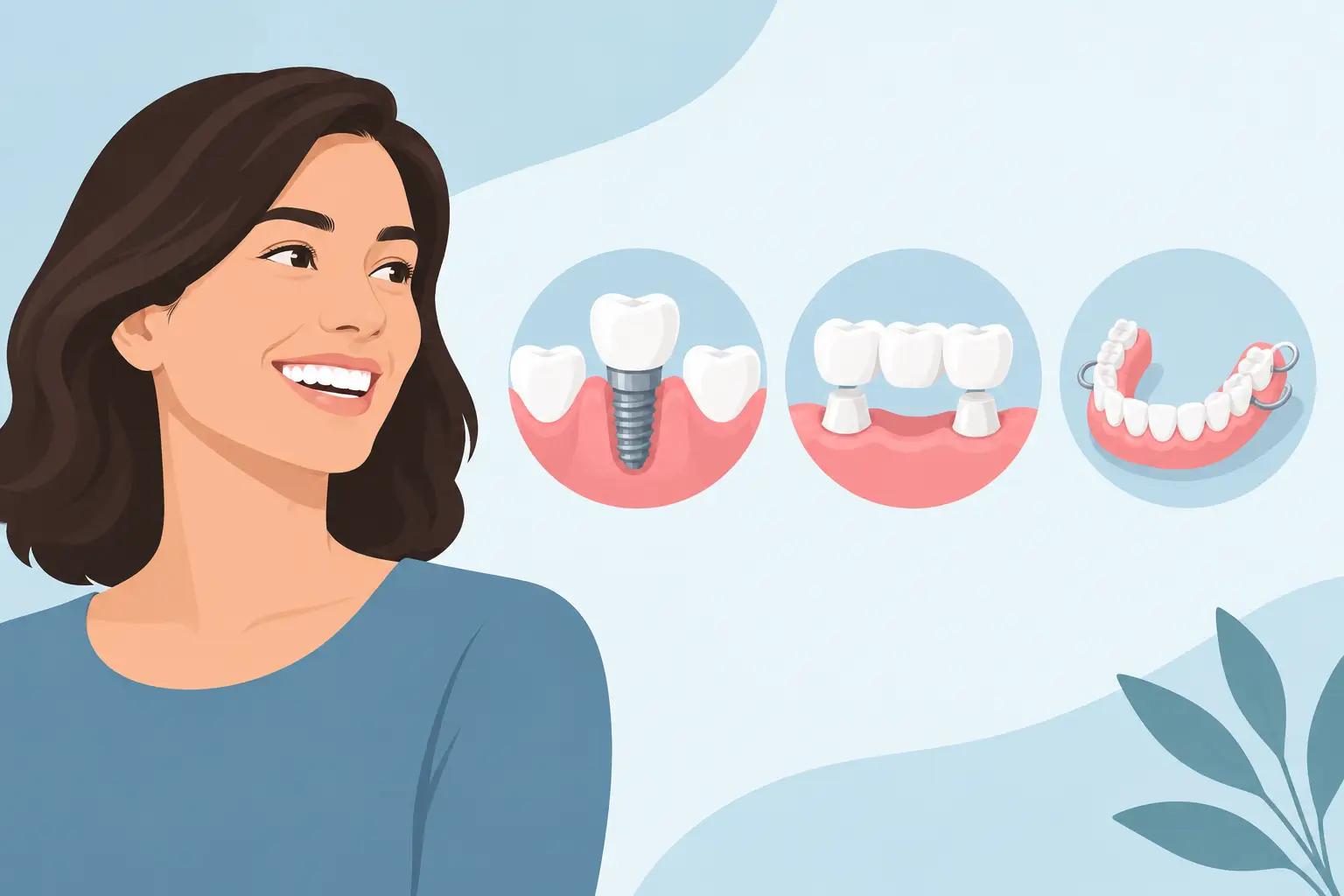
It can also help to compare the long-term value of each tooth-replacement option. A bridge may have a lower initial cost, but it often requires reshaping neighboring teeth. A removable partial denture can be a practical solution for some patients, while an implant is fixed in place and does not rely on adjacent teeth for support. There is no single best choice for every mouth.
Questions Worth Asking Your Insurance Company
Before you make a final decision, ask whether your plan covers the implant fixture, abutment, implant crown, extraction, bone graft, and any needed imaging. Confirm the percentage paid for each service, your remaining annual maximum, whether a waiting period or missing tooth clause applies, and whether your selected dentist is in network.
Write down the representative’s name, the date of your call, and any reference number provided. This record can be useful, but your dental office should still verify benefits directly and submit a detailed estimate whenever possible.
A dental implant is a meaningful investment in comfort, function, and confidence. Rather than letting a confusing insurance booklet make the decision for you, start with a thorough dental evaluation and a clear benefits review. With the right information, you can choose a treatment plan that supports both your oral health and your peace of mind.